


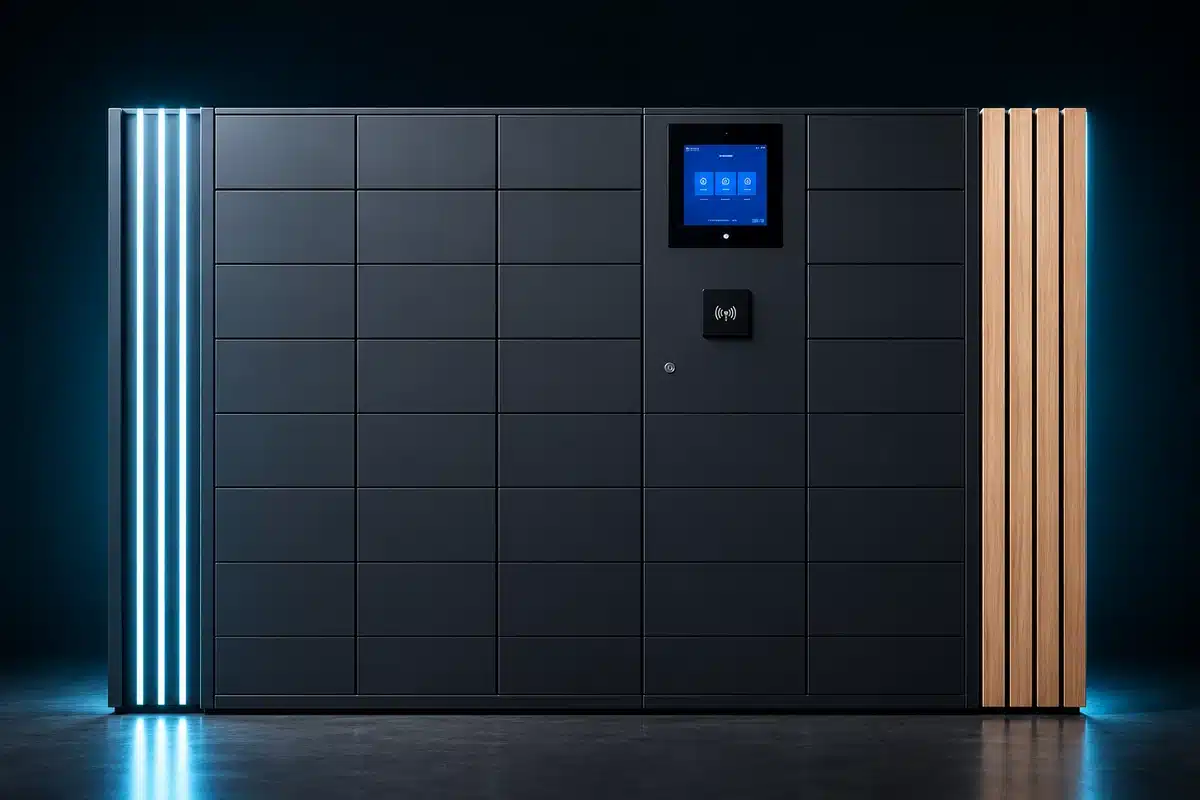

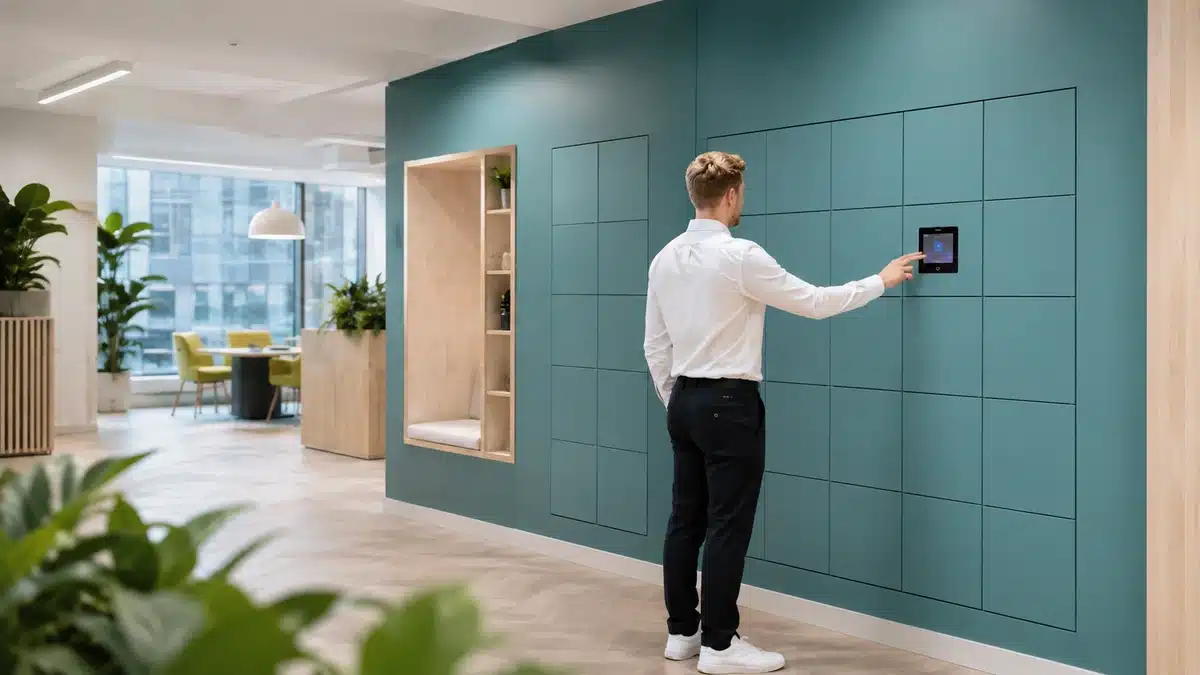


What Are Employee Locker Shortages?
Employee locker shortages occur when:
- Demand for storage exceeds available lockers
- Locker usage is inefficient or poorly managed
- Employees cannot reliably access storage when needed
This is common in:
- Hybrid workplaces
- Corporate offices
- Healthcare environments
- Warehousing and logistics sites
- Retail and frontline workplaces
Why Locker Shortages Increase at Scale
1. Static Allocation in Dynamic Workplaces
Traditional lockers are:
- Permanently assigned
- Tied to individuals
But modern workplaces are:
- Flexible
- Hybrid
- Shift-based
This leads to:
- Lockers sitting unused
- Other employees without access
The system assumes fixed demand. Reality is dynamic.
2. Workforce Demand Changes
Locker demand changes due to:
- Shift patterns
- Seasonal staffing
- Part-time workers
- Contractors and visitors
At scale:
- Demand spikes unpredictably
- Fixed locker numbers cannot adapt
3. Poor Visibility of Usage
Most organisations cannot answer:
- Which lockers are in use?
- Which are unused?
- Who is using them?
Without visibility:
- Lockers are hoarded
- Empty lockers go unnoticed
- Allocation becomes inefficient
4. Inefficient Locker Usage Creates Storage Shortages
Common issues include:
- Employees using multiple lockers
- Lockers left occupied long-term
- Items stored unnecessarily
This reduces effective capacity:
You don’t run out of lockers. You run out of usable lockers.
Explore workplace locker solutions
Compare smart lockers vs mobile storage
5. Lack of Usage Controls Reduces Locker Availability
Traditional systems lack:
- Time limits
- Automatic release
- Usage rules
As a result:
- Lockers are not freed up
- New users cannot access storage
- Demand exceeds supply artificially
6. Limited Workplace Space Restricts Locker Capacity
Facilities teams often face:
- Limited floor space
- Competing space priorities
- High cost of expanding locker areas
This means:
- Increasing supply is difficult
- Efficiency becomes critical
See how traditional lockers fail – Comparisons Hub
7.Business Growth Increases Employee Locker Shortages
As organisations grow:
- More employees need storage
- More flexible working patterns emerge
- More demand variability occurs
Without a scalable system:
Shortages become inevitable.
Flexible smart locker systems can help organisations overcome locker shortages by supporting shared, dynamic storage across hybrid and changing workplace environments.

The Hidden Impact of Locker Shortages
Employee Frustration
Security Risks
Operational Inefficiency
Poor Workplace Experience
Employee Locker Shortages: The Key Issues
The Core Problem: Storage Availability Depends on Utilisation
Employee locker shortages rarely occur because there are too few lockers.
They happen when changing workforce demands, inefficient allocation, and limited visibility reduce the availability of usable storage across the workplace.
1. Assigned Lockers Reduce Availability
Many organisations permanently assign lockers to individual employees, regardless of how often they are used.
Impact: Unused lockers remain occupied while other employees are left without storage.
2. Manual Verification Processes Create Gaps
Many buildings still rely on sign-in sheets, visual checks, and manual verification processes to manage courier access.
Impact: Slower processing, human error, and reduced control over building access.
3. Uncontrolled Courier Movement Increases Risk
Without dedicated delivery destinations, couriers often require access to shared or restricted areas to complete deliveries.
Impact: Increased exposure to sensitive zones, security blind spots, and unauthorised movement.
4. Peak Delivery Periods Create Pressure
Large volumes of deliveries often arrive during concentrated periods, overwhelming reception and security teams.
Impact: Longer queues, reduced compliance with access procedures, and increased congestion.
5. Limited Delivery Tracking Reduces Accountability
Many delivery processes lack real-time visibility and accurate records of delivery activity.
Impact: Poor chain of custody, delivery disputes, and difficulty investigating incidents.
Why Employee Locker Shortages Increase at Scale
Employee Locker Shortages Caused by Static Allocation
Many organisations permanently assign lockers to employees, regardless of how often they are used. As workplace attendance fluctuates, large numbers of lockers sit empty while other employees struggle to find available storage.
Common issues include:
- Unused assigned lockers
- Limited storage availability
- Inefficient space utilisation
- Employee frustration
Poor Visibility Creates Employee Locker Shortages
Most workplaces lack real-time visibility into locker usage, occupancy, and availability.
Challenges include:
- Unknown locker utilisation
- Empty lockers going unnoticed
- Inefficient allocation processes
- Increased administrative workload
Workforce Flexibility Increases Demand Pressure
Hybrid working, shift patterns, contractors, and flexible work arrangements create constantly changing storage requirements.
This results in:
- Unpredictable locker demand
- Storage shortages during peak periods
- Difficulty allocating lockers fairly
- Reduced employee experience
How Smart Lockers Eliminate Employee Locker Shortages
Smart workplace lockers transform storage from a fixed resource into a flexible, shared system that adapts to changing workplace demand.
Benefits Include:
- Dynamic locker allocation
- Real-time availability tracking
- Automated locker release
- Improved locker utilisation
- Fair access for all employees
- Reduced storage shortages
By replacing permanently assigned storage with intelligent locker management, smart lockers help organisations maximise utilisation, improve employee experience, and support flexible workplaces without adding more lockers.
How Smart Workplace Lockers Improve Storage Availability
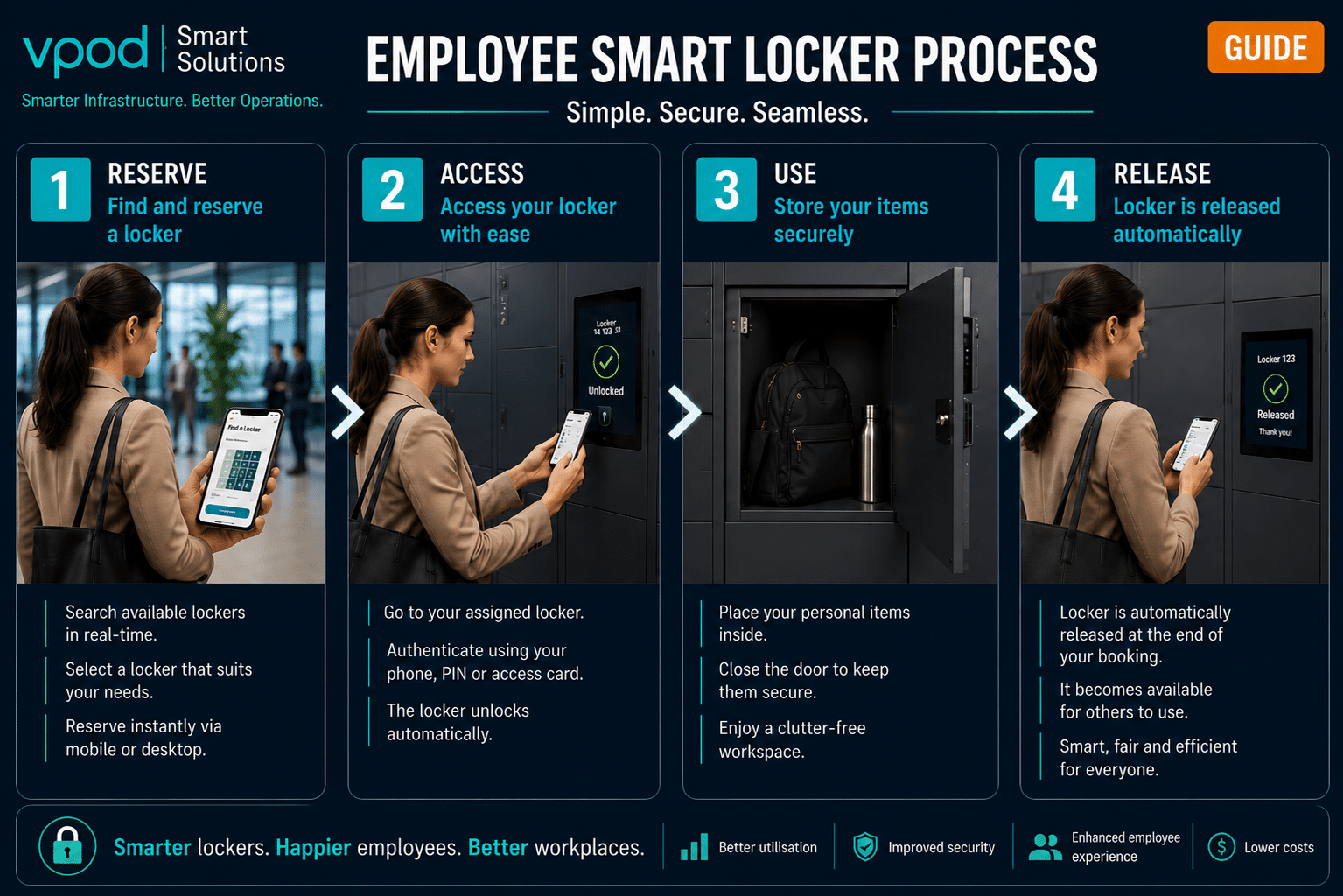
Traditional Assigned Lockers vs Smart Workplace Lockers




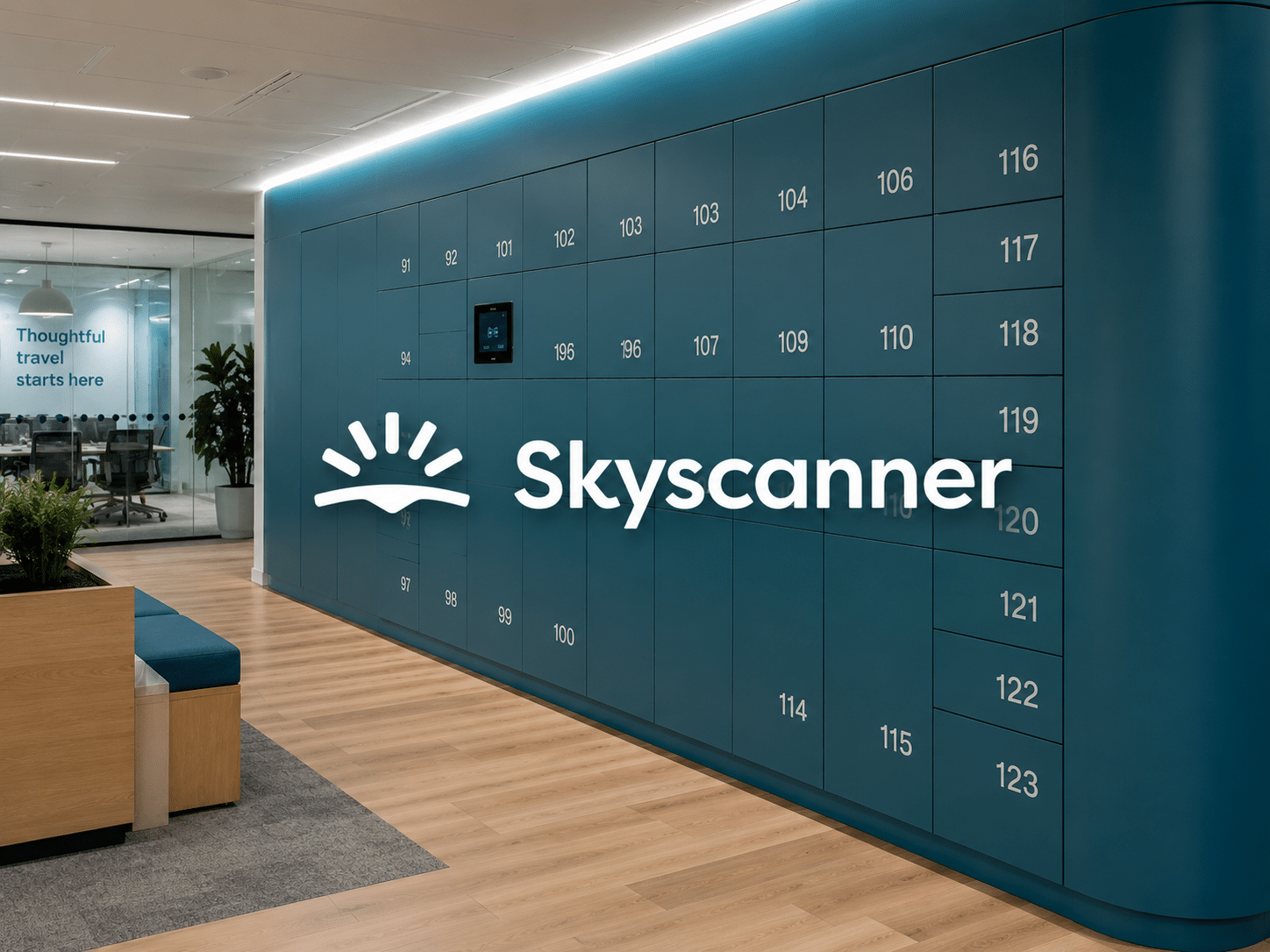
Case Study: Skyscanner & VPOD
How Skyscanner Solved Employee Locker Shortages Across Multiple Offices
As hybrid working increased, traditional assigned lockers created availability challenges and underutilised storage.
By implementing VPOD smart workplace lockers, Skyscanner introduced flexible locker allocation, improved utilisation, and a better employee experience.
Results Include:
- Improved locker utilisation
- Reduced locker administration
- Flexible storage for hybrid workers
- Better employee experience
- More efficient use of space
- Scalable workplace storage
Who Is Affected by Employee Locker Shortages?
Facilities & Workplace Operations Teams / Employees & Workplace Users
Facilities & Workplace Operations Teams
Key Challenges
- Managing locker availability
- Improving locker utilisation
- Supporting hybrid working
- Maximising workplace space
- Reducing storage-related complaints
Operational Pain Points
- Under utilised locker capacity
- Limited visibility of usage
- Increased administrative workload
- Difficulty managing allocations
- Pressure to add more lockers