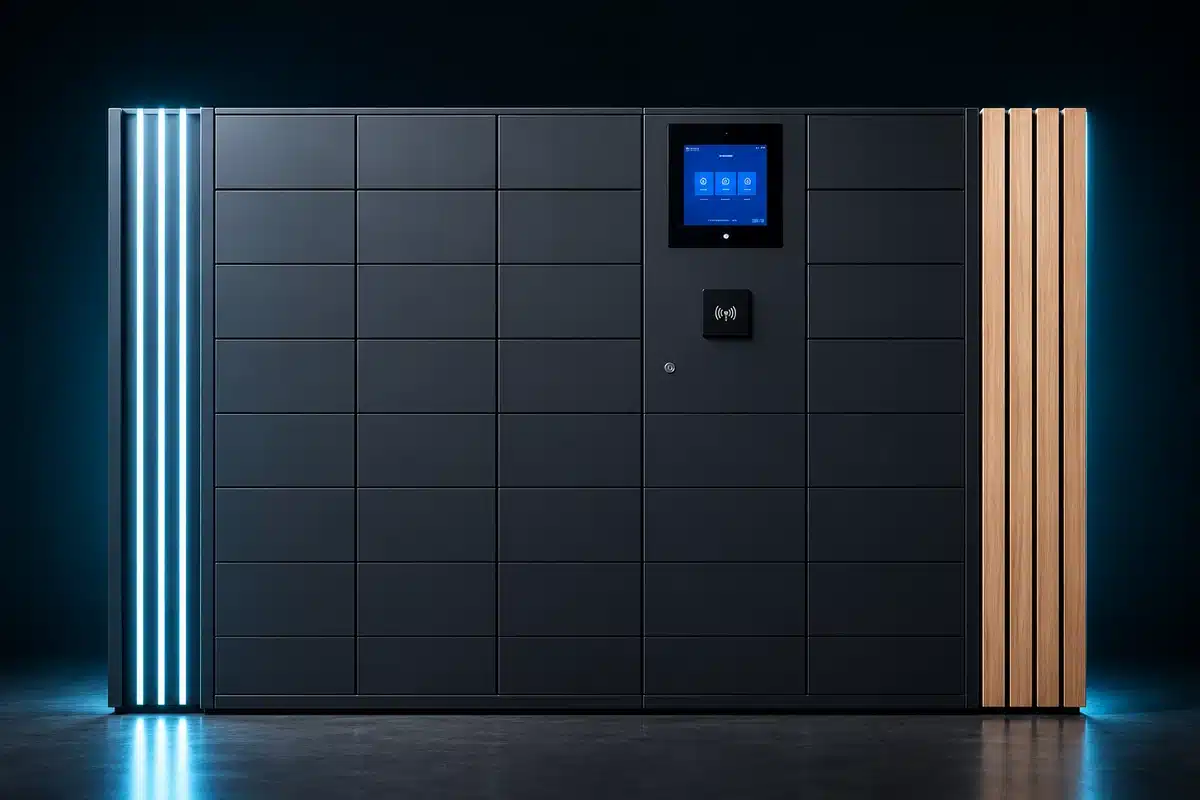
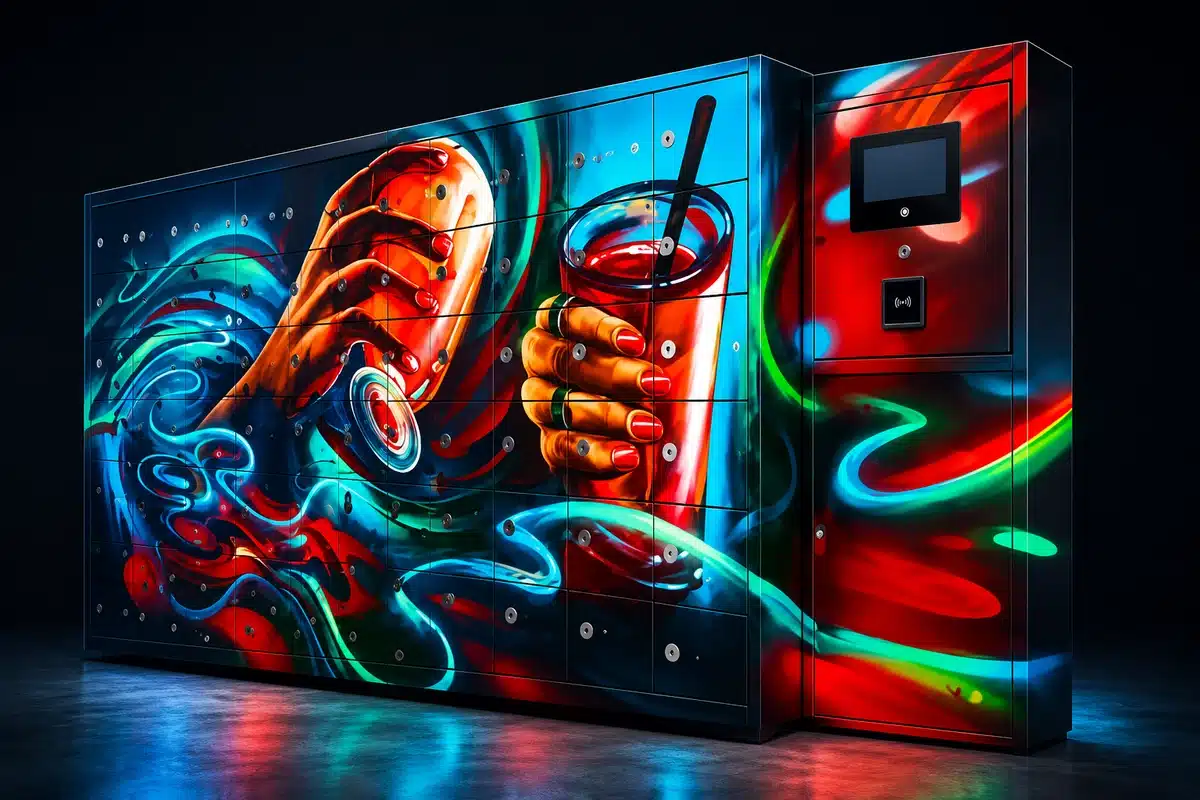
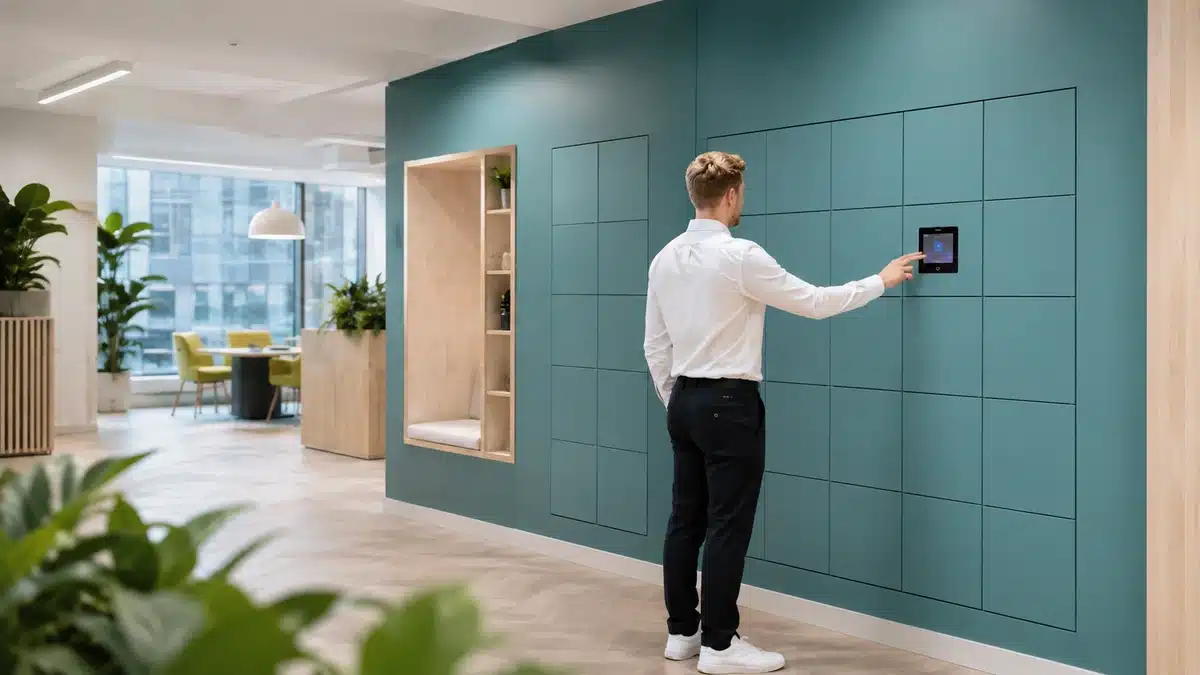
Vflex Smart Lockers, Powered by Keynius, are a state-of-the-art product with quality in-house manufacturing, intelligent design, and a cloud-based platform that can support multiple locker workflows in one smart locker wall.
Vflex Smart Lockers, Powered by Keynius, are a state-of-the-art product with quality in-house manufacturing, intelligent design, and a cloud-based platform that can support multiple locker workflows in one smart locker wall.
Vflex Smart Lockers, Powered by Keynius, are a state-of-the-art product with quality in-house manufacturing, intelligent design, and a cloud-based platform that can support multiple locker workflows in one smart locker wall.
Vflex Smart Lockers, Powered by Keynius, are a state-of-the-art product with quality in-house manufacturing, intelligent design, and a cloud-based platform that can support multiple locker workflows in one smart locker wall.
Global leaders in Smart Lockers & Smart Experiences
We design and deliver integrated systems for streamlined check-ins, secure storage, and enhanced visitor management. Our trusted partner network and focus on sustainability, data security, and customer success drives us to provide the most effective and user-friendly solutions.
Global leaders in Smart Lockers & Smart Experiences
We design and deliver integrated systems for streamlined check-ins, secure storage, and enhanced visitor management. Our trusted partner network and focus on sustainability, data security, and customer success drives us to provide the most effective and user-friendly solutions.
Global leaders in Smart Lockers & Smart Experiences
We design and deliver integrated systems for streamlined check-ins, secure storage, and enhanced visitor management. Our trusted partner network and focus on sustainability, data security, and customer success drives us to provide the most effective and user-friendly solutions.
Introducing Vpod GainShare: Turn Visitor Storage Into a Revenue Stream
A funded smart locker revenue-share model for suitable venues, attractions and leisure destinations.
Visitor storage is a common challenge for venues, attractions and leisure destinations. Guests may arrive with bags, coats, luggage or personal belongings they do not want or are not permitted to carry throughout their visit.
Smart lockers provide a self-service alternative to traditional cloakrooms, but introducing new locker infrastructure normally requires upfront investment.
What is Vpod GainShare?
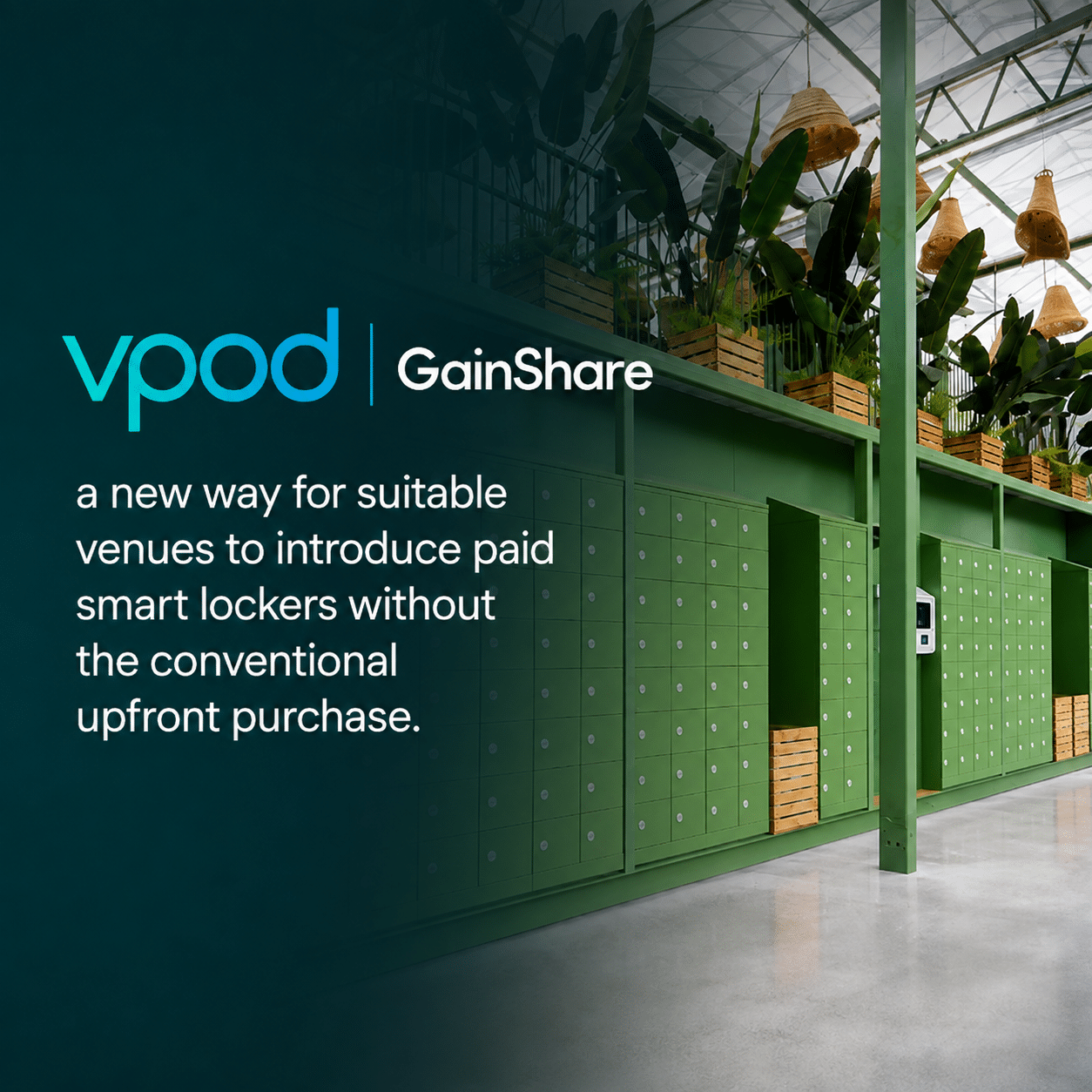
Vpod GainShare is a funded smart locker revenue-share model for qualifying locations with demand for paid visitor storage. Vpod funds and manages the agreed deployment, visitors pay to use the lockers, and eligible revenue is shared under an agreed commercial model.
It offers another option for venues that want to introduce paid storage without making a conventional upfront locker purchase. The exact scope, responsibilities and commercial terms are agreed for each deployment.
How the model works
A project starts by understanding how visitors would actually use the service. Rather than purchasing the infrastructure upfront, qualifying venues can work with Vpod under a funded arrangement covering the agreed locker system, software and support.
Vpod looks at factors including:
Visitor numbers and footfall patterns;
Event frequency or operating days;
Existing cloakroom or storage demand;
Potential locker locations;
Expected pricing;
Realistic utilisation.
Once the opportunity has been assessed, locker capacity and the customer journey can be planned around the venue. Visitors select and pay for storage digitally, while connected software provides visibility of usage, transactions and system performance.
Eligible revenue is then shared according to the agreed commercial terms. Explore the Vpod GainShare model for venues for an overview of the service.
A self-service journey connects payment, access, storage and collection.
Where can funded smart lockers work?
A funded model can suit arenas, stadiums, attractions, entertainment venues and leisure destinations where visitors regularly need temporary secure storage. High footfall alone does not establish a strong business case.
Useful signs of existing demand include:
Busy cloakrooms;
Regular luggage or storage enquiries;
Oversized bags arriving at security;
Visitors carrying coats or belongings throughout their visit;
Limited existing storage options.
A venue may attract large crowds but have limited storage demand. Another may have fewer visitors but a stronger need because of its activities, audience or bag policy. A seasonal attraction also needs a different demand forecast from a venue with year-round events.
Placement is part of the business case
Lockers should sit naturally within the visitor journey. Storage before an entrance may serve people arriving with bags; storage inside may be more relevant for coats and belongings used during a visit. Access routes, queues, accessibility and the venue’s security procedures should inform the location.
The Vpod GainShare Buyer’s Guide explores demand, placement, pricing and commercial responsibilities in more detail.
A simple self-service visitor journey
Depending on the deployment, visitors select a locker, make a digital payment and receive the credentials needed to access it. The service can operate through a mobile browser or locker touchscreen.
This reduces the need for staff to manage each successful transaction manually. It does not remove the need for clear assistance when a visitor needs help, cannot access a locker or has a payment question.
Before launch, agree where help instructions appear, who handles exceptions and how storage is promoted in booking confirmations, pre-arrival messages and on-site signage.
What should venues agree before deployment?
A funded locker purchase is only one part of the arrangement. The following questions are a discussion checklist, not a statement of standard Vpod contract terms.
Topic
What to clarify
Funding and site readiness
Which equipment, installation and site works are included? Who provides power, connectivity and any required permissions?
Revenue share
How is eligible revenue defined? Which deductions apply, what is the split, and when are settlements made?
Pricing and refunds
Who sets prices, approves promotions and handles refunds or disputed transactions?
Support and maintenance
Who handles visitor assistance, faults, routine upkeep and escalation? What service levels are agreed?
Reporting and data
Which reports are available, who can access them and what data-handling responsibilities apply?
Term and exit
How long does the arrangement run? What happens at renewal, relocation, underperformance or termination?
These points help distinguish no conventional upfront locker purchase from an assumption that every venue cost or responsibility disappears.
In practice: Flip Out Lakeside
Flip Out Lakeside provides a practical example of paid self-service visitor storage. Vpod’s published GainShare overview features the installation and links to its case study.
The relevant question for another venue is not whether it can copy that location’s results. It is whether its own visitor demand, placement and operating calendar support a similar service.
Smart lockers generate gross storage revenue when visitors pay to use them. That is not the same as the venue’s revenue share or net financial benefit.
Performance depends on factors including:
Number of locker doors;
Events or operating days;
Visitor price per use;
Expected utilisation;
Locker placement;
Visitor awareness and promotion.
Start with paid sessions, not a headline income figure
A practical starting estimate is paid storage sessions × average amount collected per session. Define whether your model assumes one use per door per event or multiple sessions throughout a day. Do not mix occupancy, paid sessions and turnover without stating the assumptions.
Then apply the agreement’s definition of eligible revenue and the venue’s share. Account separately for any costs the venue retains. Model lower-demand, expected-demand and higher-demand scenarios to see how sensitive the result is to utilisation and pricing.
The Vpod GainShare Calculator provides an indicative starting point using locker quantity, operating frequency, price and expected utilisation. Calculator outputs are estimates, not guaranteed returns.
Measure operational value too
Alongside paid sessions and income, review collection times, visitor support requests and staff involvement. A service should improve the visitor experience as well as meet its commercial objectives.
Choosing the right commercial model
Revenue sharing is only one route. A purchase may suit an organisation that wants ownership and can fund the system upfront. Leasing may suit a venue seeking payments over an agreed term. GainShare provides a funded route for qualifying projects, with eligible revenue shared.
Compare the complete scope, ongoing costs, responsibilities and end-of-term position for each option. For some locations, visitor demand may not justify a paid locker service at all.
The right approach depends on visitor behaviour, available capital, commercial priorities and how the service fits within the wider customer journey.
Start with your venue’s storage demand
Gather your operating calendar, current storage enquiries and potential locker locations. These give Vpod a useful basis for discussing whether a funded model fits your venue.