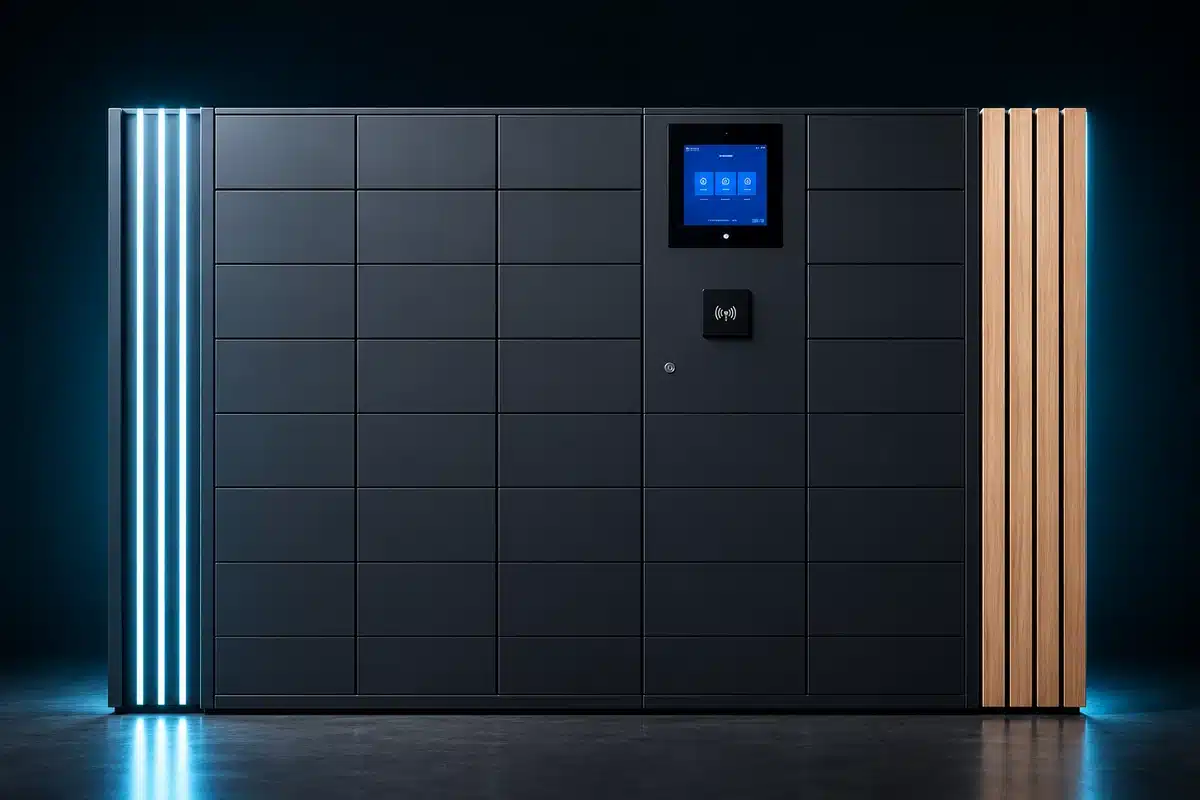
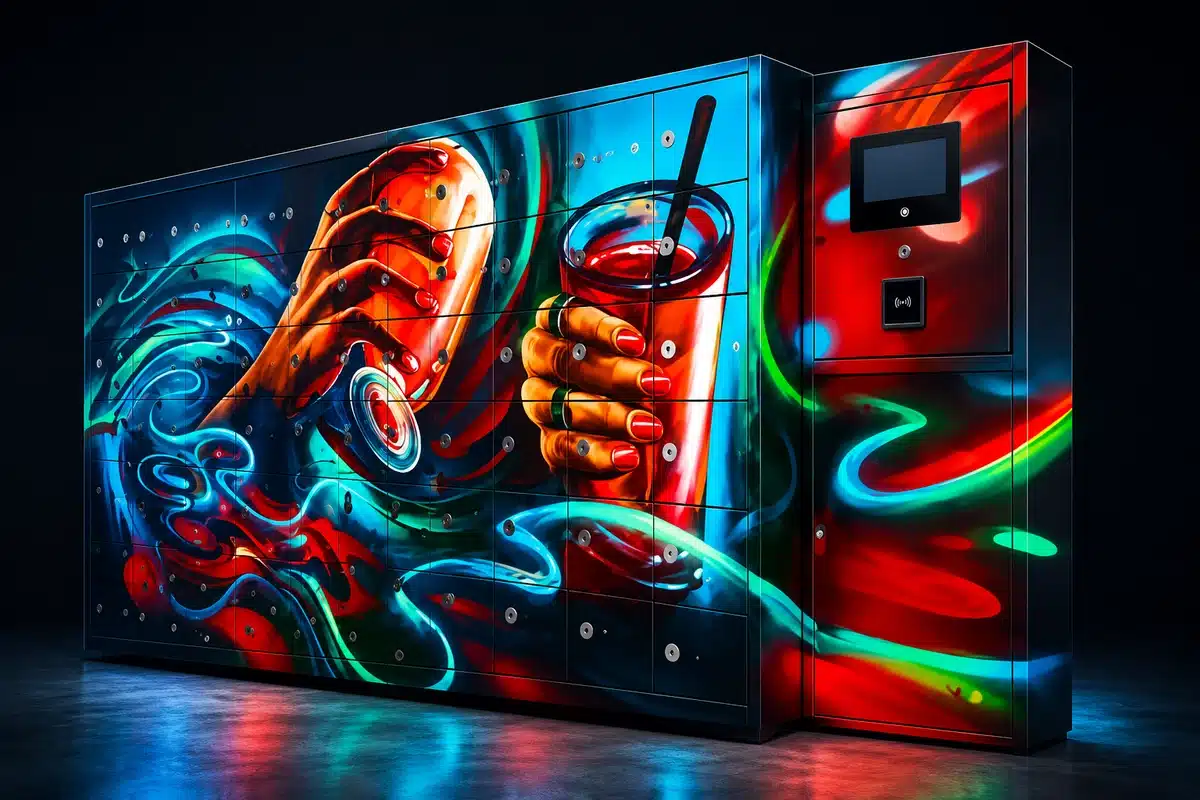
Vflex Smart Lockers, Powered by Keynius, are a state-of-the-art product with quality in-house manufacturing, intelligent design, and a cloud-based platform that can support multiple locker workflows in one smart locker wall.
Vflex Smart Lockers, Powered by Keynius, are a state-of-the-art product with quality in-house manufacturing, intelligent design, and a cloud-based platform that can support multiple locker workflows in one smart locker wall.
Vflex Smart Lockers, Powered by Keynius, are a state-of-the-art product with quality in-house manufacturing, intelligent design, and a cloud-based platform that can support multiple locker workflows in one smart locker wall.
Vflex Smart Lockers, Powered by Keynius, are a state-of-the-art product with quality in-house manufacturing, intelligent design, and a cloud-based platform that can support multiple locker workflows in one smart locker wall.
Global leaders in Smart Lockers & Smart Experiences
We design and deliver integrated systems for streamlined check-ins, secure storage, and enhanced visitor management. Our trusted partner network and focus on sustainability, data security, and customer success drives us to provide the most effective and user-friendly solutions.
Global leaders in Smart Lockers & Smart Experiences
We design and deliver integrated systems for streamlined check-ins, secure storage, and enhanced visitor management. Our trusted partner network and focus on sustainability, data security, and customer success drives us to provide the most effective and user-friendly solutions.
Global leaders in Smart Lockers & Smart Experiences
We design and deliver integrated systems for streamlined check-ins, secure storage, and enhanced visitor management. Our trusted partner network and focus on sustainability, data security, and customer success drives us to provide the most effective and user-friendly solutions.
Turn workplace context into storage that follows demand.
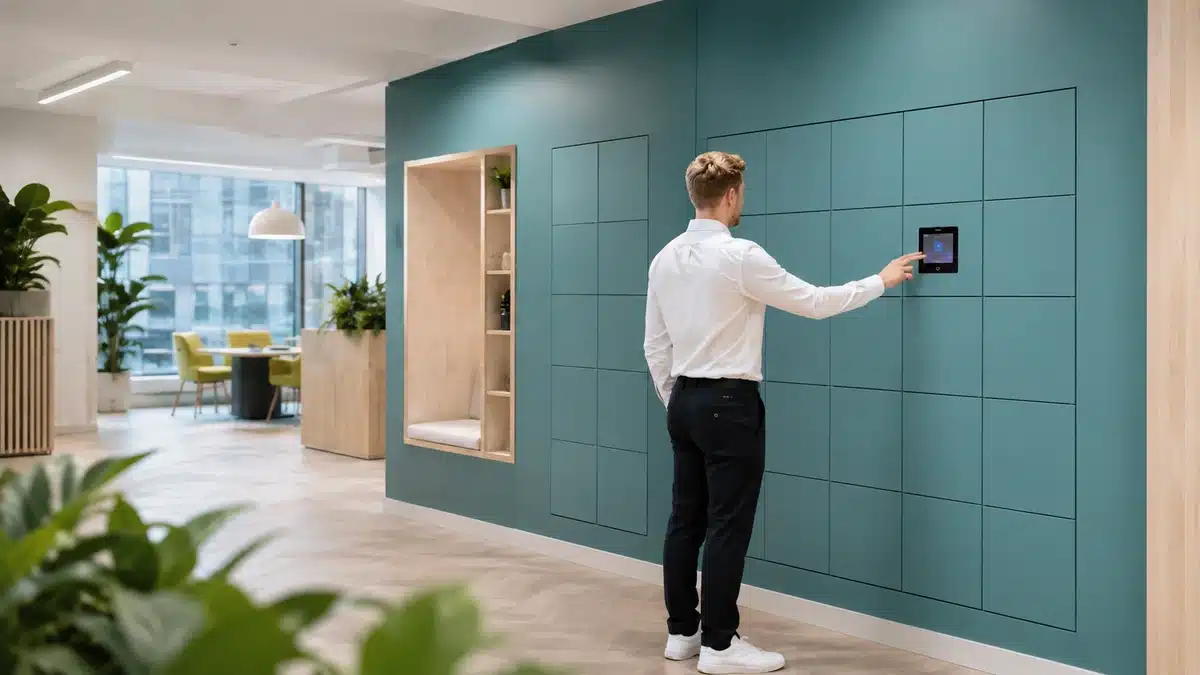
Use schedule, space and occupancy context to shape an appropriate Vpod locker journey—from zone selection and credential access to release and utilisation evidence.
Start with the agreed schedule, booking or space context.
Place storage well
Match a person to suitable capacity in an appropriate zone.
Measure actual use
Bring agreed locker activity into workplace utilisation decisions.
The integration opportunity
Connect flexible storage to the way space is planned and used.
The official Enlighted update describes Siemens Building X space and workplace management applications for workspace booking, office navigation, team scheduling, real-time space-use insight and environmental monitoring. That context could be mapped into a Vpod workflow so an employee receives suitable storage near the part of the workplace they intend to use.
Carry workplace intelligence into the physical storage journey.
The Smart Estate Logistics Platform video shows the Vpod principle: connect identity, storage events and operational visibility instead of creating another isolated application.
Confirm the Building X application and operational rules together.
Product and owner
Confirm the exact Siemens Building X Workplace application, product owner and supported interface.
Trigger and identity
Define the schedule or space event, authoritative user source and entitlement.
Allocation and experience
Agree zone, capacity, accessibility, directions, release and timeout rules.
Events and data direction
Specify which locker events move where, when and for what purpose.
Exceptions and governance
Assign support ownership, fallback, privacy, retention and change control.
Multi-site operation
Standardise naming and reporting while documenting local building differences.
Integration availability, supported triggers, data direction and delivery scope must be confirmed during solution design. The exact Siemens Building X application and product ownership must also be verified. This page does not assert a certified native integration, customer deployment or commercial partnership. Product names and trademarks belong to their respective owners.
Start with workplace demand
Show us how space is planned and how storage works today.
Bring the current platform, schedule or booking journey, identity model, building hierarchy and locker policy.