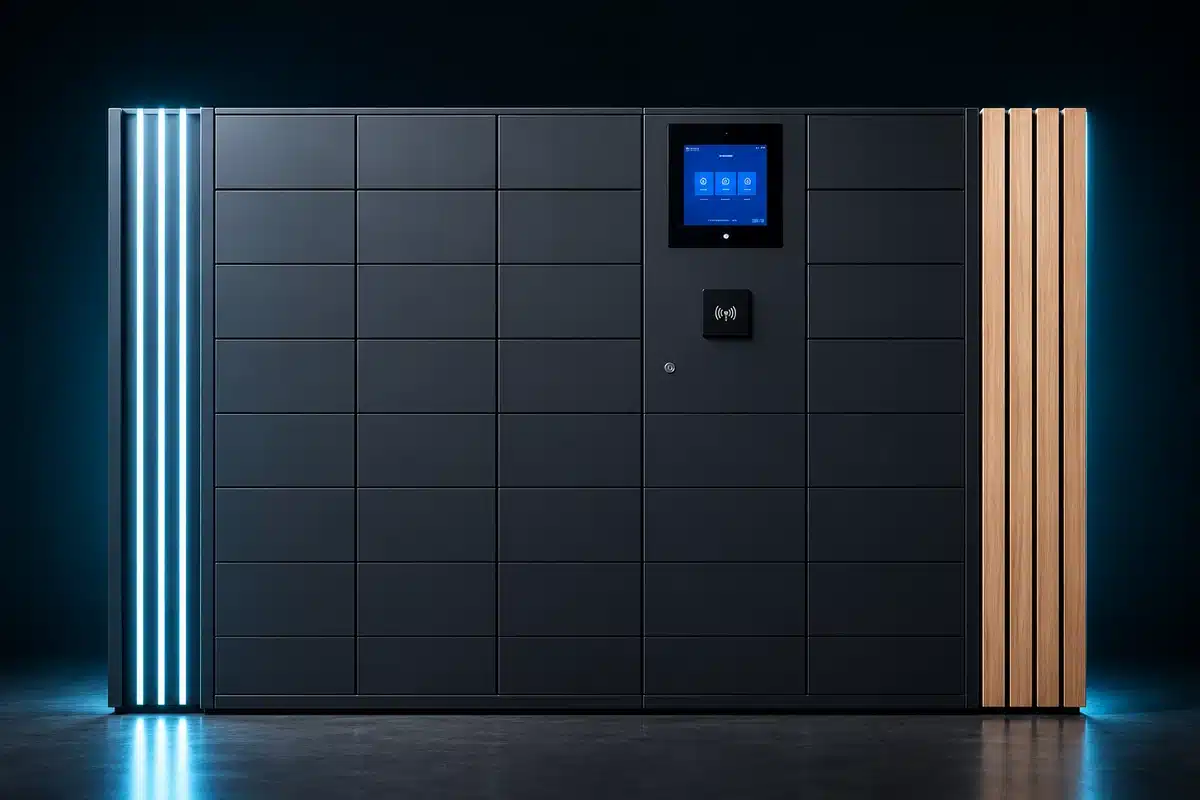
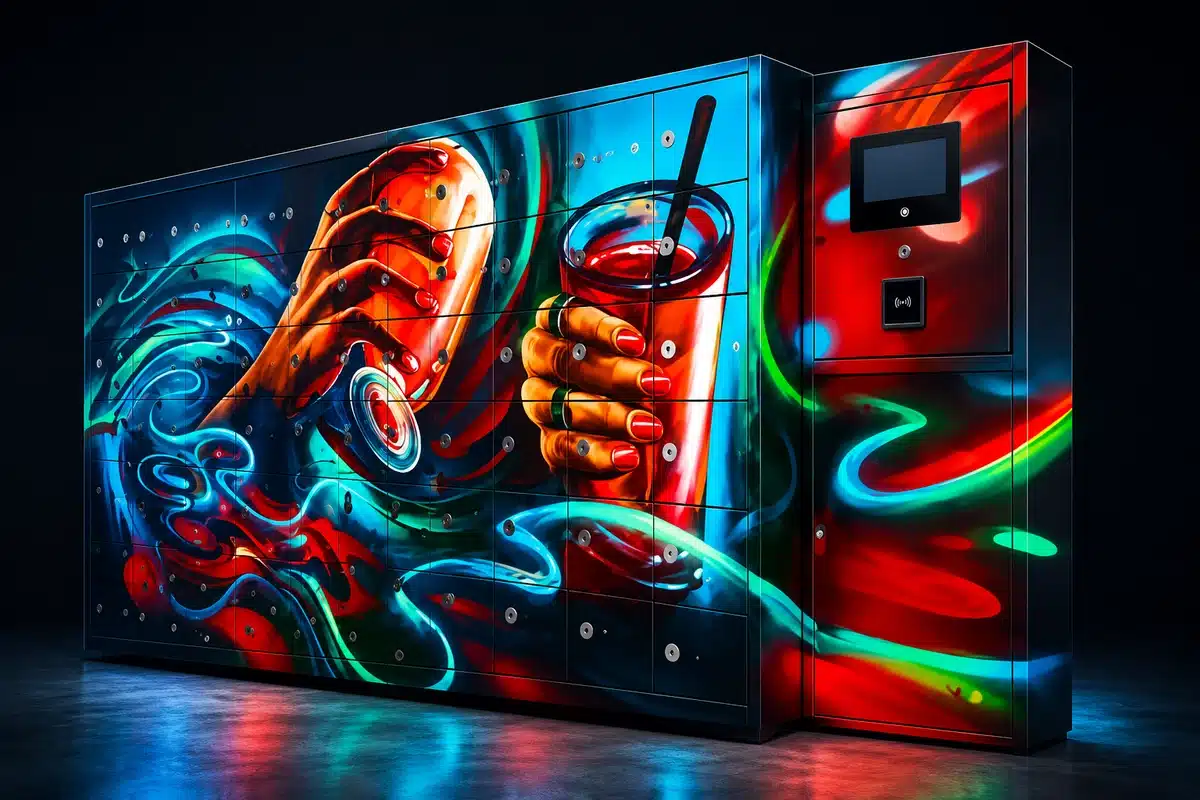
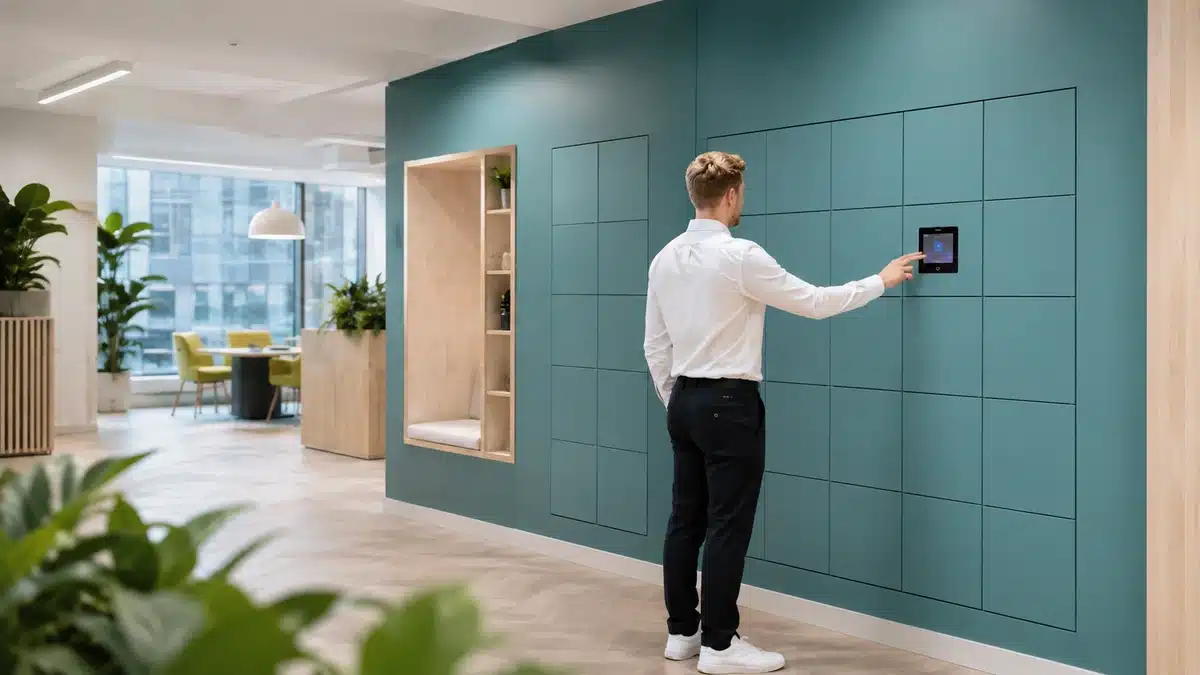
Vflex Smart Lockers, Powered by Keynius, are a state-of-the-art product with quality in-house manufacturing, intelligent design, and a cloud-based platform that can support multiple locker workflows in one smart locker wall.
Vflex Smart Lockers, Powered by Keynius, are a state-of-the-art product with quality in-house manufacturing, intelligent design, and a cloud-based platform that can support multiple locker workflows in one smart locker wall.
Vflex Smart Lockers, Powered by Keynius, are a state-of-the-art product with quality in-house manufacturing, intelligent design, and a cloud-based platform that can support multiple locker workflows in one smart locker wall.
Vflex Smart Lockers, Powered by Keynius, are a state-of-the-art product with quality in-house manufacturing, intelligent design, and a cloud-based platform that can support multiple locker workflows in one smart locker wall.
Global leaders in Smart Lockers & Smart Experiences
We design and deliver integrated systems for streamlined check-ins, secure storage, and enhanced visitor management. Our trusted partner network and focus on sustainability, data security, and customer success drives us to provide the most effective and user-friendly solutions.
Global leaders in Smart Lockers & Smart Experiences
We design and deliver integrated systems for streamlined check-ins, secure storage, and enhanced visitor management. Our trusted partner network and focus on sustainability, data security, and customer success drives us to provide the most effective and user-friendly solutions.
Global leaders in Smart Lockers & Smart Experiences
We design and deliver integrated systems for streamlined check-ins, secure storage, and enhanced visitor management. Our trusted partner network and focus on sustainability, data security, and customer success drives us to provide the most effective and user-friendly solutions.
Turn a facilities request into a completed locker action.
A request, site rule or equipment need can lead to a clear physical result: the right locker is assigned, the right person opens it, and facilities can see whether the job was completed.
Move from “someone needs equipment” to “it is ready in Locker A-17”.
The useful connection is not a logo beside an API. It is a job that can be followed from request to collection or return, with a named owner when something goes wrong.
▣
A clear physical action
Facilities knows which site, item, person and locker the request concerns.
✓
A clear result
The record shows completed, overdue or blocked instead of relying on a phone call.
The everyday operation
From facilities job to secure collection.
This example shows how a laptop replacement request could become a controlled locker handover. The details are illustrative and must be agreed during design.
COLLECTION READYLocker A-17 assignedFloor 3 Service Point · use employee badge
▤
01 · REQUEST
Log the job
A facilities request or estate rule says what must happen, where and by when.
♙
02 · CHECK
Check who may collect
Confirm the person, site, item and permission before storage is assigned.
▦
03 · ASSIGN
Assign a locker
Select an available compartment of the right size in the agreed location.
◈
04 · ACCESS
Open it securely
The approved person uses the agreed badge, phone or PIN to open that locker.
↔
05 · HANDOVER
Collect or return the item
The employee takes the equipment or places the returned item in the assigned door.
✓
06 · STATUS
Update the record
Agreed access, collection, return or overdue status goes back to the responsible team.
!
When something changes
If no suitable door is free, the wrong item is present, access fails or collection is missed, alert the named facilities or service desk owner and keep the job open.
◎
Running it across several sites
Use common request and reporting rules while each building keeps its own zones, opening hours, access method, support contact and privacy requirements.
Illustrative workflow only. The request, employee, site and locker details are examples, not evidence of deployed functionality.
What each team needs
Clear ownership before, during and after the handover.
Facilities Managers
See whether requests are waiting, completed or blocked without checking several local logs.
Agree what starts the job and who owns every outcome.
What starts the action
Choose the exact request, approval, site rule or staff action that begins the locker job.
Who may use it
Confirm the identity source, permission check and badge, phone or PIN journey.
Which door is used
Set location, size, accessibility, duration and rules for reassigning a locker.
What returns to the record
Choose the access, collection, return, timeout and fault information each team needs.
Who fixes problems
Name the owner for full banks, wrong items, failed credentials, missed collection and hardware faults.
How sites stay consistent
Document common rules alongside local zones, hours, contacts and reporting needs.
Integration availability, supported triggers, data direction and delivery scope must be confirmed during solution design. Exact behaviour depends on the agreed FacilityOS, Vpod and smart-locker configuration. This page does not claim a native connector, commercial relationship, customer deployment or functionality beyond the confirmed project scope.
Start with a real facilities job
Show us how a request becomes a collection or return today.
Bring one common request, the people involved, site rules, access method, current records and examples of where the handover breaks down.