


GainShare
Capex-Free Lockers

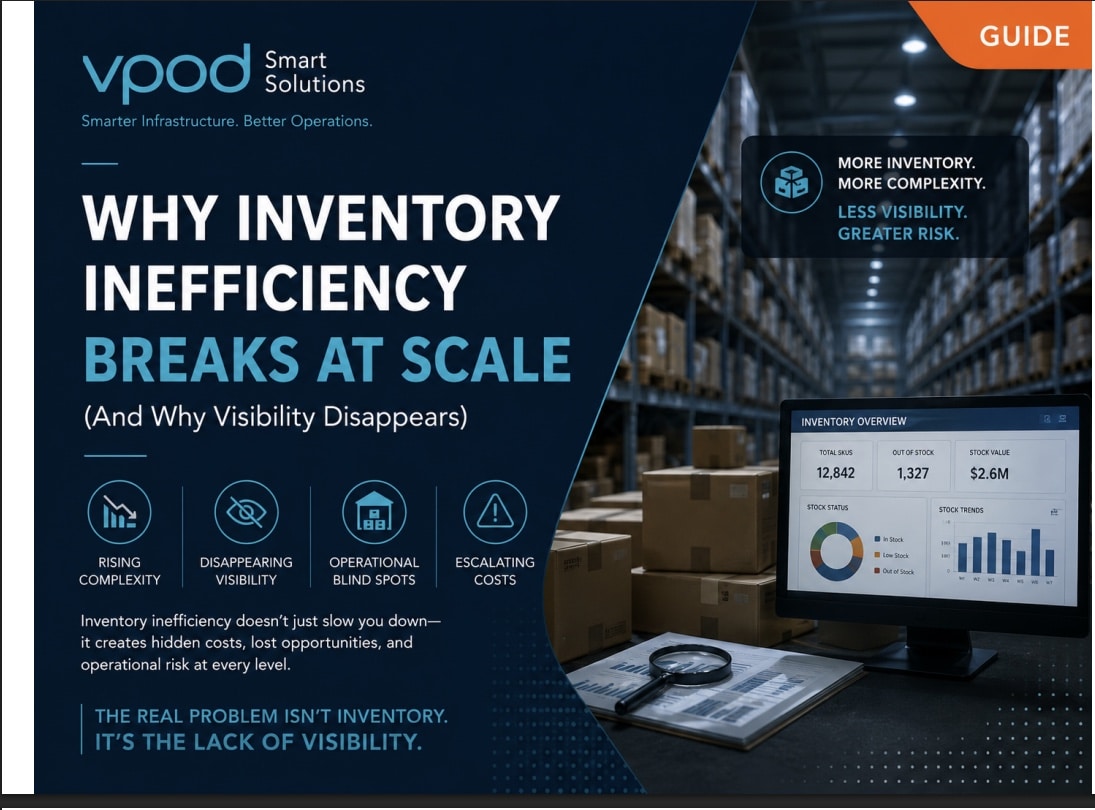
Why Inventory Inefficiency Breaks at Scale

Inventory inefficiency scale problems increase as inventory operations grow.

As inventory inefficiency increases at scale, organisations often struggle with inventory visibility, tracking accuracy, storage organisation, and operational efficiency.

Explore workplace locker solutions

Compare staff cost vs locker automation ROI

What Is Inventory Inefficiency?

Inventory inefficiency occurs when organisations cannot:

  • Locate items quickly
  • Track stock accurately
  • Optimise storage space
  • Process inventory movement efficiently

This leads to:

    • Lost or misplaced items
    • Delayed operations
    • Overstocking or stockouts
    • Increased labour costs

Outcome:

Why Inventory Inefficiency Increases at Scale

1. Volume Outpaces Systems

As inventory grows:

  • More items are stored
  • More transactions occur
  • More movement is required

But systems often remain:

  • Manual
  • Static
  • Fragmented

When volume increases without system evolution, inefficiency is inevitable.

Asset Locker Solutions

2. Lack Of Real Time Visibility

Many organisations rely on:

  • Periodic stock checks
  • Manual updates
  • Delayed reporting

This results in:

  • Inaccurate inventory data
  • Unknown stock locations
  • Time spent searching

Why Asset Tracking Problems Break at Scale (And Why Visibility Disappears)


3. Storage Becomes Unstructured

Inventory is often stored in:

  • Shelving systems
  • Backrooms
  • Shared spaces

At scale, this leads to:

  • Poor organisation
  • Inefficient use of space
  • Increased retrieval time

Why Asset Management Costs Spiral at Scale

4. Movement Creates Tracking Gaps

Inventory moves through multiple stages:

  1. Receipt
  2. Storage
  3. Picking
  4. Distribution

Each step introduces risk:

  • Items not recorded
  • Locations not updated
  • Ownership unclear

Guide:Why Asset Audit Trails Break at Scale and how to fix it

5. Manual Processes Create Bottlenecks

Inventory handling often requires:

  • Staff locating items
  • Manual updates
  • Sequential processing

This leads to:

  • Slower operations
  • Increased labour dependency
  • Reduced throughput

Explore:

How Inventory Delays Impact Daily Operations

Increased Operating Costs

Inventory delays increase labour requirements, administrative workload, and operational inefficiencies across inventory handling processes.

Reduced Workplace Productivity

Employees spend valuable time locating inventory, resolving stock issues, and managing manual processes instead of focusing on core operational tasks.

Slower Operations

Delays retrieving inventory can slow internal workflows, equipment availability, order fulfilment, and workplace responsiveness.

Inventory Visibility & Stock Control Problems

As inventory volumes increase, disorganised storage environments become harder to manage efficiently, reducing accessibility and workflow speed.

Why Inventory Systems Fail at Scale

Why Inventory Retrieval Speed Impacts Operations

1. Delayed Access Slows Daily Workflows

As inventory activity increases, employees spend more time locating, collecting, and returning shared equipment across operational environments.

This can delay internal workflows, reduce responsiveness, and slow day-to-day operations across teams.

A connected

asset locker management system

can help streamline equipment access, returns and tracking.

2.Unstructured Storage Reduces Retrieval Efficiency

When inventory is stored across unmanaged shelving, backrooms, or shared storage areas, retrieval processes become increasingly inefficient at scale.

Without defined storage locations, organisations often experience longer retrieval times, misplaced inventory, and reduced operational organisation.

Compare reception parcel handling vs lockers

Why Asset Audit Trails Break at Scale (And Why Manual Tracking Fails)

3.Faster Inventory Access Improves Operational Flow

Structured smart locker systems help organisations improve retrieval speed through controlled storage, automated access, and clearly organised inventory environments.

This supports faster workflows, reduced operational delays, and more efficient inventory handling across shared workplaces.

Explore workplace locker solutions

Explore Asset Lockers

The Core Problem: Manual Inventory Coordination

Managing Inventory

As inventory operations expand, organisations must manage larger inventory volumes, more storage locations, and increasing operational activity across teams.

Processes that work efficiently at smaller scale often become harder to coordinate across larger operational environments.

Inventory operations typically involve:

  • higher inventory movement volumes
  • increased demand for shared storage access
  • more frequent retrieval and returns
  • growing coordination across departments
  • greater pressure on operational turnaround times

Fragmented Processes Reduce Inventory Consistency

In many organisations, inventory movement is managed across separate systems, departments, and storage environments.

This often leads to:

  • inconsistent inventory records
  • duplicate administrative work
  • tracking gaps across workflows
  • delays resolving inventory discrepancies

As inventory operations scale, maintaining accurate inventory data becomes increasingly difficult through fragmented processes alone.

Traditional Inventory Processes Struggle to Scale Efficiently

As inventory activity increases:

  • more users require access
  • stock movement becomes more frequent
  • operational coordination becomes more complex

Consequently, workflows that rely heavily on manual coordination create growing administrative pressure and reduced operational consistency.

Smart Inventory Systems Create Scalable Operational Control

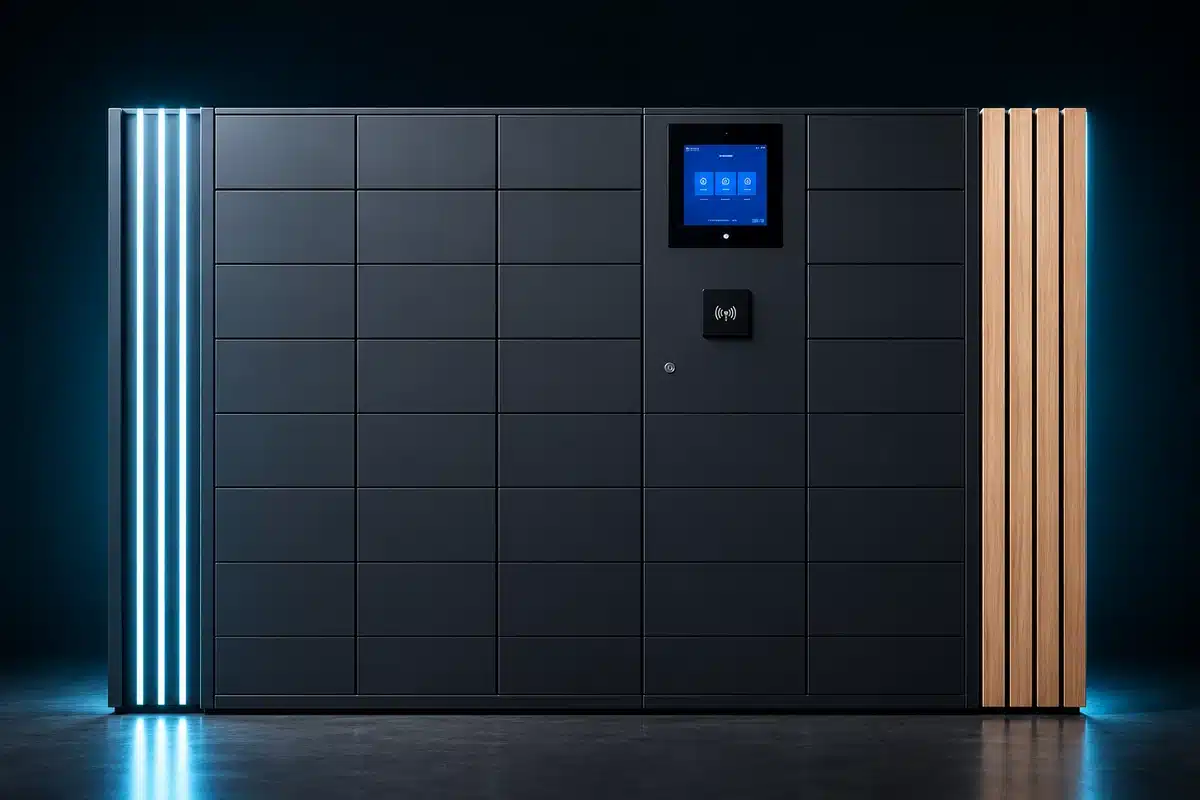
Automated smart locker systems help organisations create more structured and scalable inventory workflows through controlled storage, automated tracking, and managed inventory access.

This helps organisations:

  • improve inventory traceability
  • reduce administrative workload
  • improve accountability across users
  • support larger inventory volumes more efficiently

As a result, organisations gain greater operational consistency and more reliable inventory management processes.

Inventory Inefficiency Reduction Process
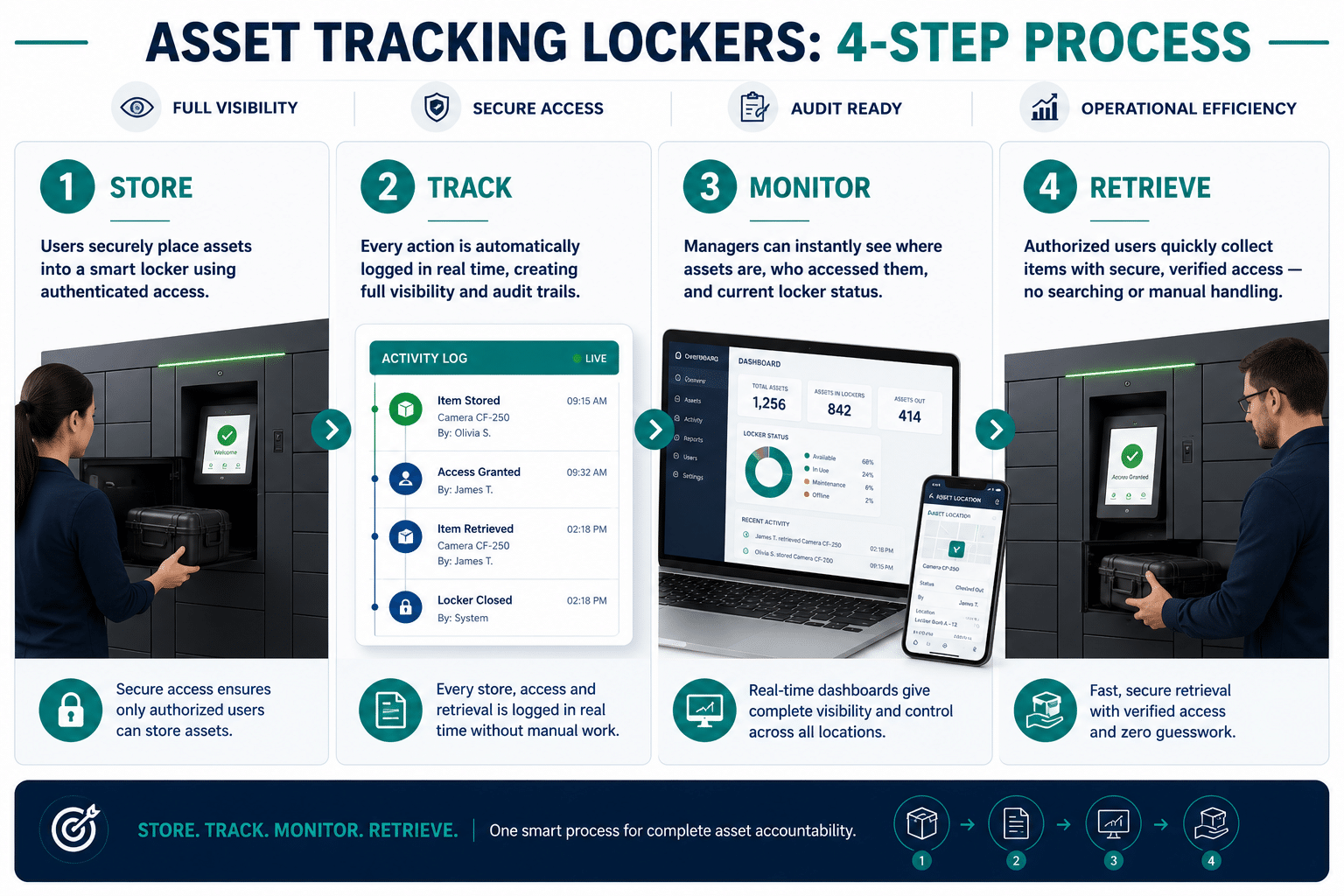
1. Structured Self-Service Inventory Storage: Inventory is stored inside secure smart locker systems instead of unmanaged shelving, backrooms, or manual storage areas. The system automatically: Assigns defined storage locations Organises inventory efficiently Reduces manual handling requirements Creates structured inventory workflows Outcome: Improved storage organisation and reduced operational inefficiency through system-controlled inventory management.
→
2. Automated Inventory Tracking & Visibility: Every inventory movement, collection, return, and transaction is recorded automatically, giving organisations real-time visibility across stock usage and inventory activity. This helps: Reduce manual inventory processes Improve stock visibility Minimise misplaced items Prevent tracking gaps Improve inventory accuracy Outcome: Faster inventory management with improved operational visibility and reduced stock discrepancies.
→
3. Self-Service Inventory Access: Authorised users retrieve and return inventory independently using secure PIN, RFID, barcode, or QR-code access instead of relying on staff-managed processes. This reduces: Staff dependency Retrieval bottlenecks Time spent locating inventory Sequential processing delays Manual verification requirements Outcome: Faster inventory access with reduced labour dependency and improved operational efficiency.
→
4. Real-Time Operational Control: Smart inventory locker systems provide operational teams with live visibility across inventory levels, locker usage, stock movement, and user activity. Managers gain: Real-time inventory visibility Automated transaction tracking Better space utilisation Reduced operational pressure Improved workflow efficiency Increased accountability Outcome: More scalable inventory operations, improved stock control, and reduced operational bottlenecks.

Asset Tracking Lockers 4-Step Process

Traditional Inventory Systems vs Smart Locker Inventory Solutions

Traditional Inventory Management Systems
Manual Inventory Handling Slows Operations
Poor Inventory Visibility Reduces Control
Unstructured Storage Creates Retrieval Delays
Staff Dependency Increases Operational Bottlenecks
Smart Locker-Based Inventory Solutions
Automated Tracking Improves Inventory Accuracy
Real-Time Visibility Improves Operational Control
Structured Storage Increases Efficiency
Self-Service Access Reduces Manual Processes
Inventory Management ROI
Automated inventory workflows reduce the need for staff-managed inventory handling, manual stock checks, and administrative coordination across inventory operations.
Structured storage environments help employees locate, retrieve, and return inventory more efficiently, reducing operational delays and time spent searching for items.
Organised inventory systems help businesses optimise storage space usage, reduce cluttered backroom environments, and support growing inventory volumes more effectively.
Automated inventory tracking and controlled workflows help organisations maintain more consistent inventory processes, improve accountability, and reduce operational inefficiencies at scale.

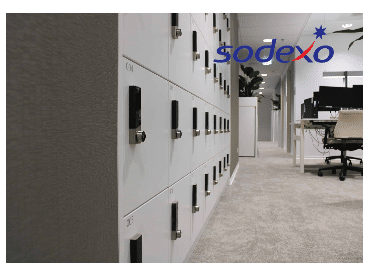
Case Study: Sodexo

Improving Inventory Visibility & Workplace Operational Efficiency

Sodexo implemented VPOD smart locker systems to improve inventory visibility, streamline workplace storage, and reduce manual inventory handling across shared operational environments.

By introducing automated smart locker systems, Sodexo improved real-time visibility, streamlined inventory access, and reduced operational inefficiencies caused by manual storage management.

Operational Results

  • Improved inventory visibility and workplace control
  • Reduced manual handling and administrative workload
  • Faster asset retrieval and workplace workflows
  • Improved operational efficiency across shared spaces

Sodexo Case Study 

Sodexo Case Study PDF 

Sodexo Video 

Who Experiences Inventory Inefficiency Challenges?

Workplace & Inventory Control Teams

Workplace

Areas of Responsibility

  • Workplace inventory management
  • Asset tracking and storage organisation
  • Shared storage coordination
  • Operational workflow improvement
  • Storage space optimisation

Key Challenges

  • Lost or misplaced inventory
  • Manual inventory processes
  • Disorganised storage environments
  • Delays locating assets and equipment
  • Difficulty scaling inventory operations

Pain Points

  • No Real-Time Visibility Across Workplace Assets
  • Manual Processes Create Inventory Errors
  • Lost Assets Increase Operational Cost
  • Lack of Accountability Reduces Control
  • Slow Retrieval Impacts Workplace Productivity
  • Unstructured Storage Creates Operational Inefficiency
  • No Automated Tracking or Audit Trail
  • Peak Demand Creates Inventory Bottlenecks

Inventory Control Teams

Areas of Responsibility

  • Inventory access and accountability
  • Asset retrieval and return workflows
  • Shared equipment management
  • Workflow consistency across departments
  • Audit Control

Key Challenges

  • Inconsistent inventory records
  • Unstructured storage environments
  • Retrieval delays impacting operations
  • Manual inventory updates creating errors
  • Reduced visibility across inventory movement

Pain Points

  • Lack of Real-Time Inventory Visibility
  • Manual Inventory Tracking Processes
  • Lost or Misplaced Inventory
  • Slow Inventory Retrieval & Fulfilment
  • Unstructured Storage Environments
  • No Automated Audit Trail
  • Inventory Bottlenecks During Peak Demand
  • Labour-Intensive Inventory Management

Transform Inventory Management Workflows

Create smarter, more scalable inventory operations with automated smart locker systems designed to improve inventory visibility, storage control, and workflow efficiency.

With real-time inventory management systems:

  • Inventory visibility and tracking accuracy improve
  • Retrieval processes become faster and more controlled
  • Manual inventory handling and operational bottlenecks decrease
  • Storage workflows become more organised, secure, and scalable


→ Compare equipment rental desk vs locker-based systems

→ Compare capex vs opex locker model

Frequently Asked Questions

Why do inventory inefficiencies increase at scale?

Inventory inefficiencies increase at scale because manual inventory management systems struggle to handle growing stock volume, operational complexity, and high transaction activity efficiently.

What causes poor inventory visibility?

Poor inventory visibility is often caused by unstructured storage systems, manual tracking processes, and the lack of real-time inventory monitoring across operations.

Can barcode inventory systems eliminate inventory management problems?

Barcode systems can improve inventory accuracy, but they still rely heavily on manual scanning processes, which can create delays, missed scans, and operational inconsistencies at scale.

What are the operational risks of inefficient inventory management?

Poor inventory management can lead to stock discrepancies, misplaced items, increased operational costs, slower fulfilment processes, and reduced workflow efficiency.

How can businesses improve inventory management efficiency?

Businesses can improve inventory efficiency by implementing automated inventory management systems with real-time tracking, controlled storage workflows, and structured inventory visibility.