


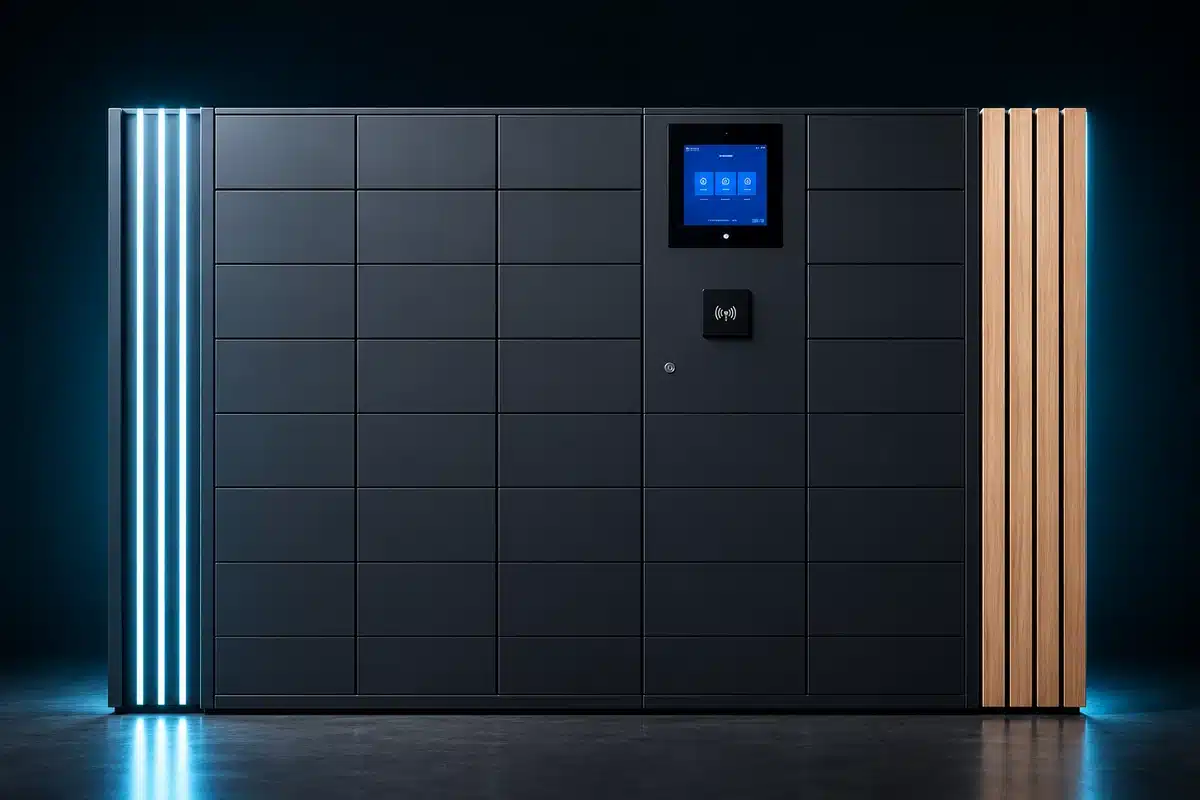





What Is Lost Property Management?
Lost property management refers to the process of recording, storing and returning items left behind by members and visitors.
This often includes:
- Logging lost items
- Storing belongings securely
- Responding to member enquiries
- Searching storage areas
- Verifying ownership
- Returning recovered items
- Managing unclaimed property
As leisure centres become busier, these manual processes become increasingly difficult to manage efficiently.
Why Lost Property Becomes a Growing Problem
1. More Visitors Mean More Lost Items
As membership and visitor numbers increase:
- More belongings are forgotten
- More enquiries reach reception
- Storage requirements increase
This results in:
- Higher administrative workload
- Increased operating costs
- Longer response times
2. Staff Spend Too Much Time Searching for Items
Reception teams regularly interrupt customer service to:
- Search lost property
- Check storage areas
- Verify ownership
- Contact members
Time that could be spent supporting members is instead used managing lost belongings.
3. Manual Records Create Mistakes
Many leisure centres still rely on:
- Paper records
- Manual spreadsheets
- Memory
- Unlabelled storage
This makes it easier for items to be misplaced or forgotten.
4. Lost Property Storage Quickly Fills Up
Without clear processes:
- Unclaimed items accumulate
- Storage areas become overcrowded
- Organisation becomes more difficult
Finding individual belongings takes longer.
5. Members Expect Faster Resolution
Today’s members expect quick answers.
Delays in locating lost belongings often lead to:
- Frustration
- Complaints
- Poor customer reviews
6. Manual Processes Don’t Scale
As facilities grow, lost property enquiries increase alongside visitor numbers.
Adding more staff doesn’t solve the underlying operational problem.

The Hidden Impact of Lost Property
Increased Staff Workload
Higher Operating Costs
Lower Member Satisfaction
Inefficient Storage
Lost Property Management: The Key Issues
The Core Problem: Lost Property Depends on Manual Processes
Lost property management often relies on paper records, manual searches and staff knowledge to keep track of members’ belongings. As visitor numbers increase, these processes become more time-consuming, making it harder to locate items quickly, respond to enquiries and maintain an organised storage system.
1. Manual Logging Slows Response Times
Many leisure centres record lost property using notebooks, spreadsheets or paper forms. Every item must be logged manually, creating additional administration and increasing the risk of missing or incomplete information.
When members enquire about lost belongings, staff often need to search multiple records before they can provide an answer.
Impact: Longer response times, increased administrative workload and slower customer service.
→ Compare coin lockers vs smart lockers
→ Compare leisure lockers vs coin lockers
2. Searching for Items Consumes Staff Time
Finding a lost item often requires reception or facilities teams to stop their current tasks and manually search storage areas. As more belongings accumulate, locating specific items becomes increasingly difficult.
This reduces staff productivity and diverts valuable time away from supporting members and daily operations.
Impact: Frequent reception interruptions, reduced staff efficiency and higher labour costs.
See How Smart Lockers Reduce Staff Workload
3. Poor Organisation Makes Items Harder to Find
Without a structured digital process, lost property can quickly become disorganised. Items may be stored in multiple locations, incorrectly labelled or overlooked altogether.
The longer belongings remain uncollected, the more difficult it becomes to locate them when members return.
Impact: Member frustration, slower collections and a poorer customer experience.
→ Compare gym lockers vs smart lockers
4. Unclaimed Items Consume Valuable Space
Items that are never collected continue to occupy valuable storage space. Over time, shelves, cupboards and back-office areas become crowded, making it even harder to organise and manage new lost property.
This creates unnecessary operational inefficiencies and limits the effective use of available space.
Impact: Reduced storage efficiency, cluttered back-office areas and increased management time.
Learn More About Secure Storage Solutions
5. Limited Visibility Restricts Operational Control
Traditional lost property processes provide little visibility into what items are currently stored, when they were found or whether they have been collected. Managers often lack the reporting needed to monitor trends or improve processes.
Without accurate information, teams are forced to react to enquiries rather than proactively managing lost property.
Impact: Reactive decision-making, limited operational visibility and missed opportunities to improve efficiency.
→ Compare staff cost vs locker automation ROI
Why Traditional Lost Property Management Creates Operational Bottlenecks
Manual Administration Increases Staff Workload
Challenges include:
- Recording lost items
- Searching storage
- Responding to enquiries
- Verifying ownership
- Returning belongings
Every enquiry consumes valuable reception time.
Lost Property Storage Becomes Difficult to Manage
Challenges include:
- Overfilled storage rooms
- Poor organisation
- Misplaced belongings
- Duplicate enquiries
- Unclaimed items
As storage fills up, finding belongings becomes increasingly difficult.
Limited Visibility Creates Inefficiencies
Without digital records, operators struggle to monitor:
- Stored items
- Collection status
- Collection history
- Outstanding enquiries
- Storage capacity
Without visibility, staff spend more time searching and less time helping members.
Compare capex vs opex locker model
How Smart Leisure Lockers Reduce Lost Property
Benefits include:
- Secure self-service storage
- Time-limited locker access
- Digital audit trails
- Automated locker allocation
- Reduced reception involvement
- Cloud management
- Improved accountability
By reducing the need for manual storage and providing secure self-service collection, smart leisure lockers minimise lost property enquiries while improving operational efficiency.
→ Compare staff cost vs locker automation ROI
How CrowdStor Smart Lockers Simplify Lost Property Management
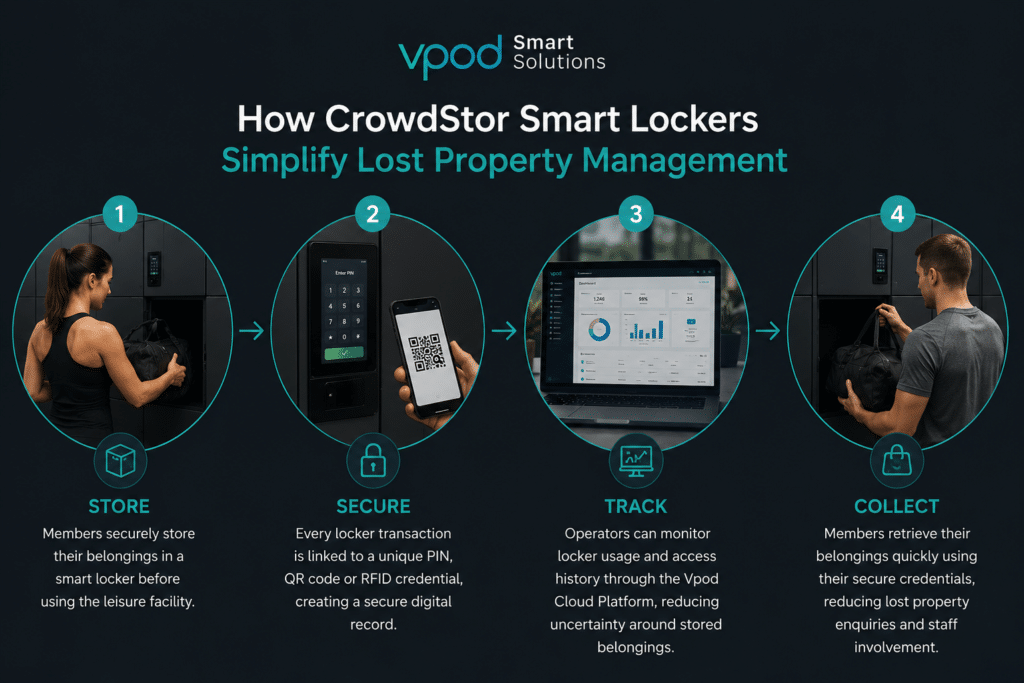
Traditional Lost Property Management vs Smart Leisure Lockers





Case Study: Healthclub Jordaan & VPOD
Healthclub Jordaan Reduced Lost Property Enquiries with Digital Lockers
Results:
- 188 digital lockers
- No keys or coins
- Automatic PIN reset
- Reduced reception involvement
- Better member convenience
- More secure storage
Who Is Affected by Lost Property?
Leisure Centre Operations Teams & Reception Teams
Leisure Centre Operations Teams
Key Challenges
- Managing lost property
- Reducing enquiries
- Improving efficiency
- Supporting busy periods
- Delivering better member experiences
Operational Pain Points
- Manual logging
- Lost property searches
- Reception interruptions
- Higher labour costs
- Limited visibility