


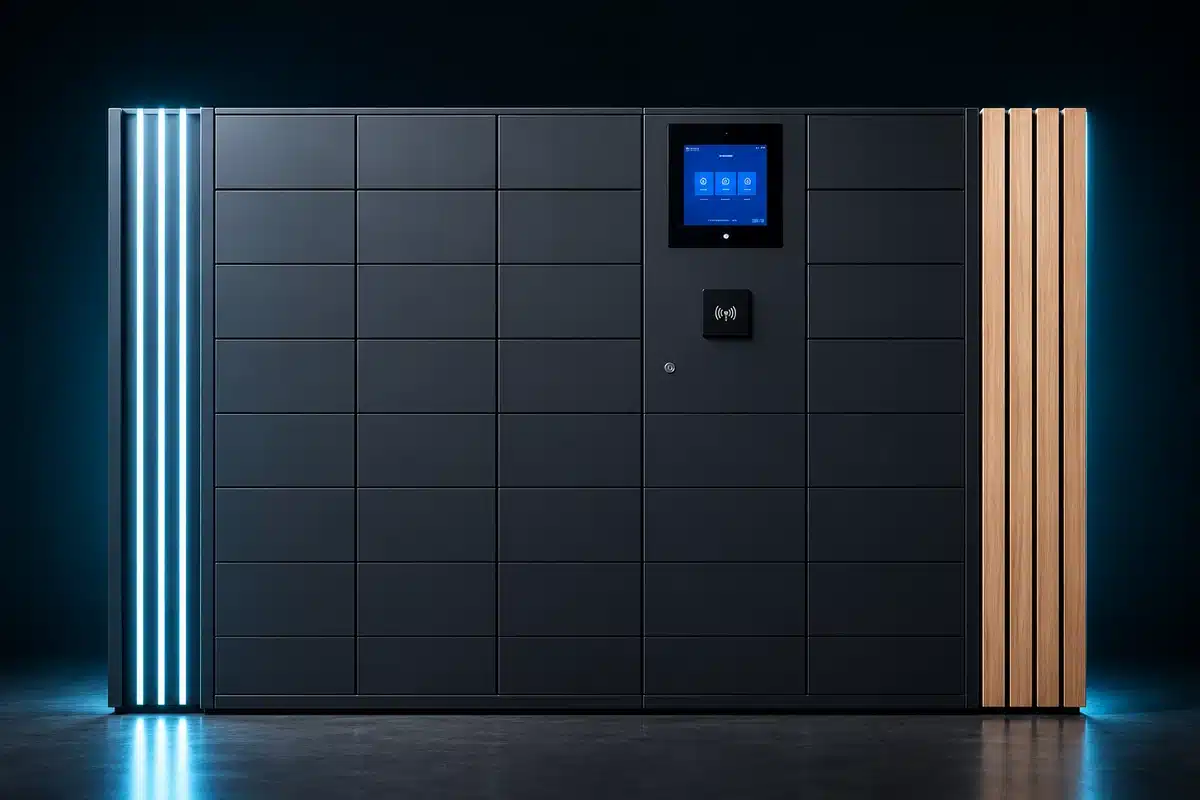





What Is Manual Collection Inefficiency?
Manual collection inefficiency occurs when staff-dependent handover processes cannot:
- Keep up with demand
- Process collections quickly
- Maintain accuracy and control
- Scale with volume
This applies across:
- Click & collect retail
- Parcel collection in buildings
- Workplace asset distribution
- Event merchandise pickup
- Hotel luggage collection
Why Manual Collection Fails at Scale
1. Sequential Processing Limits Throughput
Manual collection is inherently linear:
- One staff member
- One customer
- One transaction at a time
This creates a hard limit:
Throughput = staff capacity
At scale:
- Demand exceeds capacity
- Queues become inevitable
Why Collection Staffing Costs Spiral at Scale (And Why Labour Becomes the Bottleneck)
2. Demand Arrives in Peaks, Not Flow
Collection demand is rarely evenly distributed.
It spikes:
- During peak hours
- At shift changes
- Before and after events
- During check-in/check-out windows
This creates:
- Sudden surges
- Immediate system overload
Guide:Why Retail Collection Staffing Costs Spiral at Scale
3. Retrieval Time Slows the Entire System
Each collection requires:
- Locating the item
- Verifying ownership
- Completing handover
If retrieval takes time:
- Service slows
- Queue length increases
- Throughput drops
The slower the search, the longer the queue.
Compare staff cost vs locker automation ROI
Compare capex vs opex locker model
4. Storage Inefficiency Compounds Delays
Manual collection depends on:
- Unstructured storage
- Backroom organisation
- Staff knowledge
At scale, this leads to:
- Time spent searching
- Items being moved or misplaced
- Increasing inefficiency
Retail Lockers ( Solution) how they work
5. Staff Become the Bottleneck
As demand increases:
- Staff are overloaded
- Speed decreases under pressure
- Errors increase
This creates a cycle:
More demand → slower processing → longer queues → more pressure
Why Collection Staffing Costs Spiral at Scale (And Why Labour Becomes the Bottleneck)
6. Verification Slows Down Transactions
Manual collection often requires:
- Checking IDs or order numbers
- Matching items manually
- Confirming ownership
At scale:
- Verification becomes rushed
- Errors increase
- Security weakens
Improve collection speed with lockers

The Hidden Impact of Manual Collection Inefficiency
Collection Errors Increase
Operational Efficiency Reduces
Customer Experience Declines
Scalability Becomes More Difficult
Manual Collection Inefficiency: The Key Issues
The Core Problem: Collection Processes Cannot Scale with Demand
Manual collection inefficiency rarely happens because of a single delay.
It occurs when staff-dependent collection processes, manual verification, and item retrieval workflows struggle to keep pace with growing collection volumes.
1. Throughput Becomes Limited
Manual collection processes can only handle a fixed number of transactions at a time. As demand increases, processing capacity becomes constrained and queues begin to form.
Impact: Longer wait times and slower collection experiences.
2. Retrieval Becomes More Time-Consuming
Every collection requires staff to locate, verify, and hand over an item. As storage volumes increase, retrieval times become longer and collection efficiency declines.
Impact: Reduced throughput and increased operational pressure.
Compare manual storage vs lockers
3. Staff Become the Bottleneck
Manual collection depends on staff availability and processing speed. During peak demand periods, collection performance becomes directly limited by staffing capacity.
Impact: Reduced service levels and increased operational costs.
Why Traditional Collection Systems Fail
Manual Processes Slow Collection
Many organisations still rely on staff-managed collection points, manual verification, and item handovers. As collection volumes increase, these processes become harder to manage and less efficient.
Common issues include:
- Longer collection times
- Staff-dependent processing
- Collection bottlenecks
- Reduced operational efficiency
Item Retrieval Reduces Throughput
Every collection requires staff to locate, verify, and hand over an item. As storage volumes increase, retrieval becomes more time-consuming and slows the entire collection process.
Challenges include:
- Time spent locating items
- Slower collection processing
- Longer customer wait times
- Reduced collection capacity
Peak Demand Creates Operational Pressure
Collection demand often arrives in concentrated peaks rather than steady volumes. During busy periods, staff must process large numbers of collections while maintaining speed, accuracy, and service quality.
This results in:
- Growing queues
- Increased collection delays
- Greater pressure on operational teams
- Reduced customer satisfaction
How Smart Lockers Improve Collection Efficiency
Smart locker systems provide a secure, automated alternative to manual collection processes.
Benefits include:
- Self-service collection available on demand
- Faster collection and retrieval times
- Reduced staff dependency
- Controlled user access and verification
- Real-time collection tracking
- Improved operational efficiency
By replacing manual collection workflows with smart locker systems, organisations can reduce queues, increase throughput, improve customer experience, and create more scalable collection operations.
Automated Collection Process
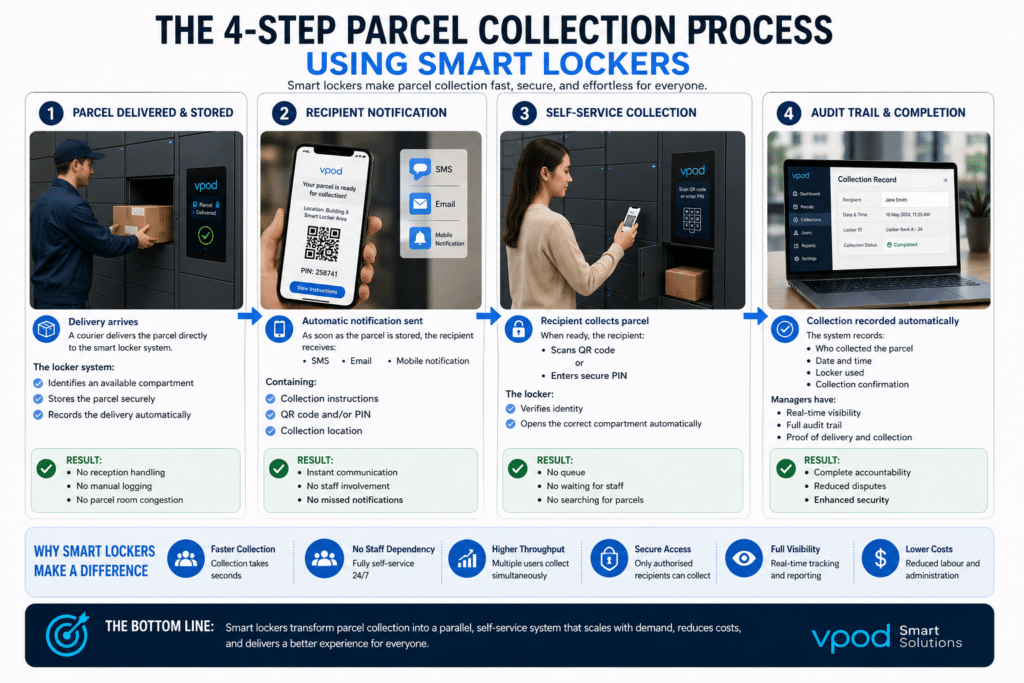
Traditional Manual Collection vs Smart Locker Collection Systems




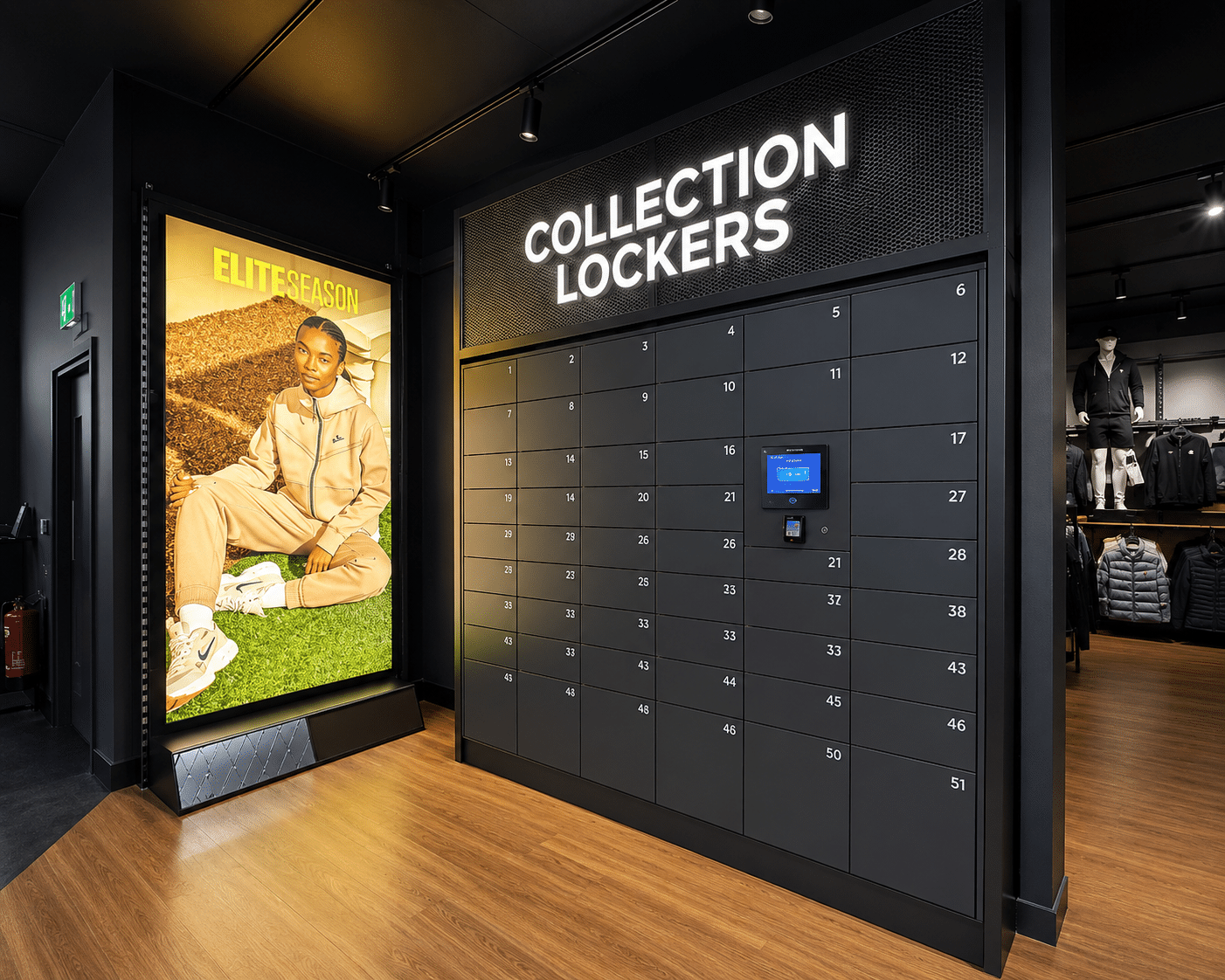
Case Study: Leading Footwear Retailer & VPOD
How Smart Lockers Eliminated Collection Bottlenecks
A major UK footwear retailer implemented VPOD smart lockers to replace staff-managed click-and-collect processes and improve collection efficiency.
By introducing automated notifications, self-service collection, and secure digital access, the retailer reduced collection queues, improved throughput, and removed reliance on manual handovers.
Results Included:
- 78% reduction in staff time spent on collections
- Faster customer collection experience
- Reduced collection queues and waiting times
- Improved operational efficiency
- Increased collection throughput
- More scalable collection operations
Who Is Affected by Manual Collection Inefficiency?
Operations & Facilities Managers / Frontline Teams & Collection Staff
Operations & Facilities Managers
Key Challenges
- Managing high collection volumes during peak periods
- Maintaining efficient collection processes
- Reducing queues and collection delays
- Controlling collection-related operational costs
- Scaling collection operations as demand grows
Operational Pain Points
- Limited collection throughput
- Staff time spent managing handovers
- Increased pressure during demand spikes
- Higher staffing requirements
- Reduced operational efficiency