Business owner
Owns outcomes, funding, scope decisions, benefits and executive escalation.


We design and deliver integrated systems for streamlined check-ins, secure storage, and enhanced visitor management. Our trusted partner network and focus on sustainability, data security, and customer success drives us to provide the most effective and user-friendly solutions.


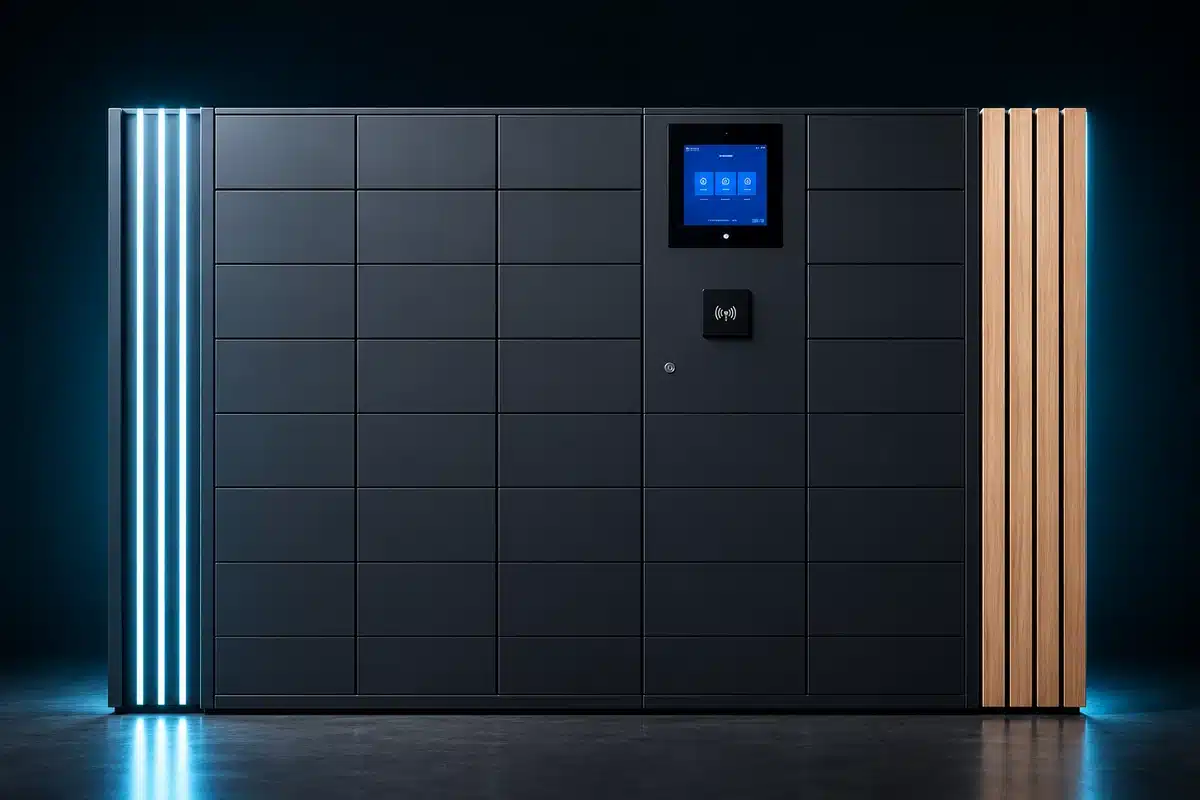




We design and deliver integrated systems for streamlined check-ins, secure storage, and enhanced visitor management. Our trusted partner network and focus on sustainability, data security, and customer success drives us to provide the most effective and user-friendly solutions.
We design and deliver integrated systems for streamlined check-ins, secure storage, and enhanced visitor management. Our trusted partner network and focus on sustainability, data security, and customer success drives us to provide the most effective and user-friendly solutions.
Enterprise deployment planning
Move from approved solution to reliable live service through controlled governance, surveys, design, integrations, configuration, installation, testing, training and handover.
The short answer
A successful implementation coordinates people, process, hardware, software, data, integrations and site works. The project should not begin with a delivery date alone. It needs an accountable sponsor, agreed scope, surveyed locations, frozen design, ready infrastructure, configured workflows, tested exceptions, trained teams and defined live-service ownership.
Separate procurement from implementation. The enterprise smart locker specification defines what must be supplied and how proposals are assessed. This checklist governs how the chosen solution moves through delivery, acceptance and operation.
Project governance
Owns outcomes, funding, scope decisions, benefits and executive escalation.
Owns plan, dependencies, risks, actions, change control and coordinated acceptance.
Owns workflows, policies, administrators, support model and performance after launch.
Own identity, network, integration, data protection, assurance and technical acceptance.
Own surveys, location readiness, access, power, finishes, safety and local coordination.
Owns agreed design, manufacture, configuration, installation, testing, training and evidence.
Implementation checklist
Reconfirm use cases, users, sites, capacity, budget, success measures, constraints and exclusions. Identify dependencies and long-lead decisions.
Evidence to approveValidate user journeys, exceptions, demand, item sizes, locations, delivery routes, dimensions, structure, power, network, accessibility and environment.
Evidence to approveApprove locker banks, materials, finishes, doors, terminals, access methods, accessories, layouts, labels and surrounding works for every site.
Evidence to approveFinalise identity, data, interfaces, hosting, network, security, privacy, monitoring, retention, environments and support boundaries.
Evidence to approveComplete enabling works, delivery access, power, data, bases, decorations and permits. Clean users, groups, sites, entitlements and reference data.
Evidence to approveBuild roles, workflows, rules, notifications, reports and integrations in controlled environments. Record all configuration and deviations.
Evidence to approveCoordinate logistics, protection, assembly, fixing, power, connectivity, labelling and waste removal under the approved site controls.
Evidence to approveTest hardware, software, users, credentials, workflows, integrations, failures, overrides, security, reporting and recovery using agreed scripts.
Evidence to approvePrepare administrators, service desk, facilities, security and users. Confirm communications, support, cutover, contingency and launch coverage.
Evidence to approveRun enhanced support, monitor demand and exceptions, close priority defects, transfer documents and agree the optimisation backlog.
Evidence to approveSite and technical readiness
Approved dimensions, orientation, clearances, structure, floor loading, fixings, finishes and accessible route.
Confirmed indoor, sheltered or outdoor conditions plus drainage, temperature, moisture, sunlight and maintenance access.
Correct supply, isolation, protection, termination, testing responsibility and safe access for installation and service.
Live Ethernet, Wi-Fi or cellular service at the installed position with addressing, firewall and monitoring arrangements.
Completed bases, penetrations, cable containment, decorations, signage and nearby furniture or fire-strategy interfaces.
Delivery booking, vehicle route, unloading, lifting, storage, lifts, doorways, working zone, waste and security access.
Site construction and electrical work must be planned and controlled by competent parties under the organisation’s applicable health-and-safety duties. Relevant UK projects should consider current HSE guidance and whether construction regulations apply; this article is operational planning guidance, not a substitute for project-specific safety advice.
Configuration and integration
Separate development or supplier configuration, test and production activity. Control credentials, test data, interface versions and deployment approvals. Record roles, access methods, allocation rules, time limits, notifications, reports and exception behaviour so the final configuration is supportable.
Use the smart locker integrations and API guide to define contracts, errors, retries and ownership. Apply the security and data-protection framework to accounts, permissions, logging, hosting, privacy and incidents.
For location-specific preparation, use the indoor versus outdoor specification guide.
Commissioning and acceptance
Alignment, fixings, doors, locks, finishes, labels, clearances, accessible positions and damage.
Power, isolation, connectivity, terminals, readers, controllers, monitoring and approved evidence.
Every role, credential, assignment, deposit, collection, return, expiry and notification path.
Source event through locker action and completion status across all connected systems.
Invalid identity, no capacity, wrong size, duplicate request, offline service, failed door and overdue item.
Permissions, opening, reassignment, export, configuration, audit, joiners, movers and leavers.
Peak concurrency, response, queueing, notification volume and agreed service objectives.
Overrides, rollback, backup restoration, reconciliation, escalation and continuity procedures.
Training and change
Users, assignments, permissions, overrides, reports, alerts, configuration boundaries and audit responsibilities.
Identity checks, common failures, remote resolution, ticket information, escalation and safeguarding of privileged access.
Inspection, cleaning, physical faults, emergency access, contractor controls, incidents and site escalation.
Who may use the service, how to authenticate, fair-use rules, time limits, prohibited items and where to get help.
Go-live and handover
From project to live service
Bring your approved requirements, sites, stakeholders, technical dependencies and target dates. Vpod can help structure a practical deployment and acceptance plan.