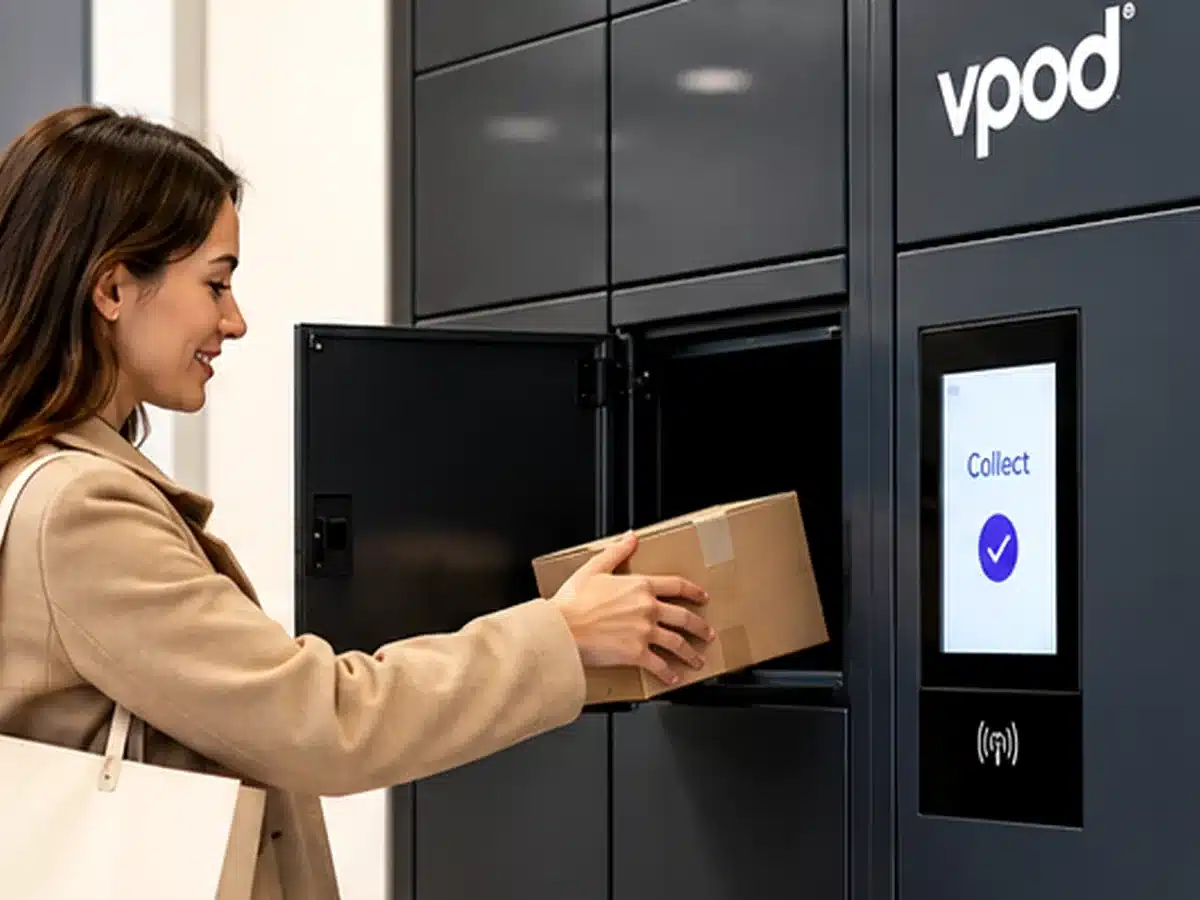

RETAIL OPERATIONS
Retail Operations Director
Scale click & collect capacity across the estate without scaling labour, queues or local process variation.
Explore retail operations priorities

We design and deliver integrated systems for streamlined check-ins, secure storage, and enhanced visitor management. Our trusted partner network and focus on sustainability, data security, and customer success drives us to provide the most effective and user-friendly solutions.


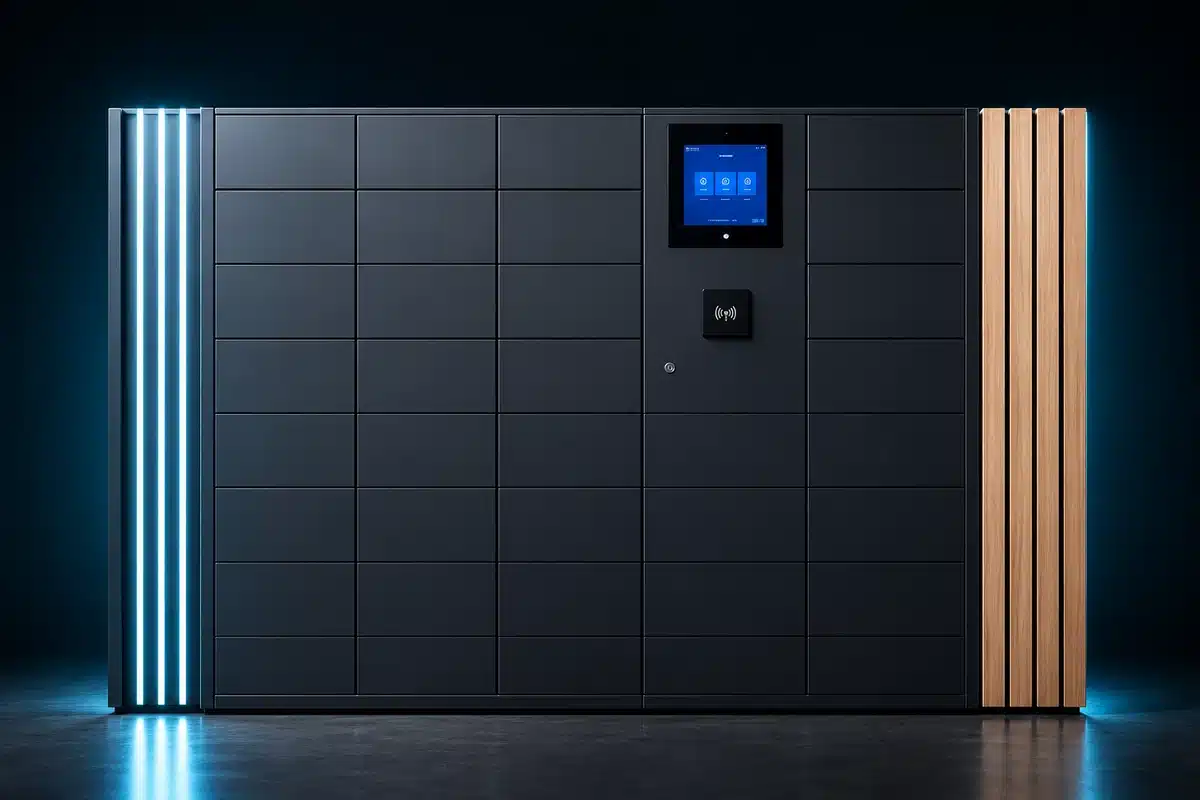
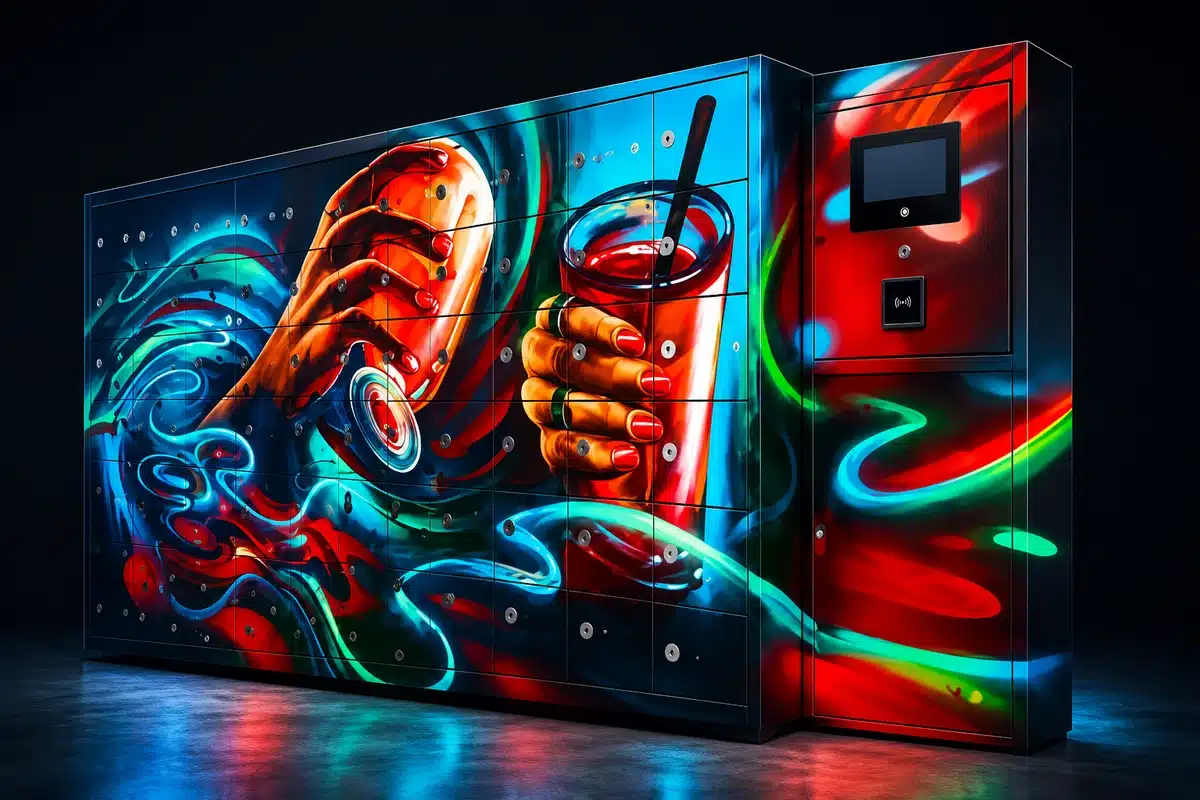



We design and deliver integrated systems for streamlined check-ins, secure storage, and enhanced visitor management. Our trusted partner network and focus on sustainability, data security, and customer success drives us to provide the most effective and user-friendly solutions.
We design and deliver integrated systems for streamlined check-ins, secure storage, and enhanced visitor management. Our trusted partner network and focus on sustainability, data security, and customer success drives us to provide the most effective and user-friendly solutions.
Expert resources for retail operations, store, commercial and IT teams designing faster click & collect and returns: reduce counter queues, release staff time, protect order handovers, connect retail systems and scale one customer journey across the estate.
Omnichannel growth turns collection into an operational system: orders have to be prepared, stored securely, notified, authenticated, collected and recorded. When every handover depends on a colleague, peak demand quickly becomes a queue and a labour problem.
This centre brings together role-specific guidance, retail pain points, comparisons, operational planning, technology, integrations and published Vpod retail evidence.
Explore Vpod retail locker solutions ↗
Throughput, staffing, customer experience, margin, integrations and governance create different questions for different owners.
Scale click & collect capacity across the estate without scaling labour, queues or local process variation.
Explore retail operations priorities
Remove day-to-day search, queue, handover and exception friction from store collection.
Explore the operations manager view
Protect omnichannel margin by reducing cost per collection while improving convenience and customer experience.
Build the commercial case
Connect order status, credentials, notifications, APIs, security and audit data into one supportable workflow.
Explore the IT viewUse these problems to diagnose whether the root cause is queueing, retrieval, labour, capacity, security or visibility.

Peak arrivals concentrate demand at one counter while each customer waits for a sequential staff handover.
Reduce collection queues
Staff search, verify and retrieve each order while customers wait and service speed becomes inconsistent.
Remove collection delays
Manual verification and handover increase the risk of mis-collection, disputes and time spent correcting mistakes.
Improve handover accuracy
More collection volume normally means more retrieval and handover labour unless the transaction becomes self-service.
Control staffing cost
A fixed desk and sequential service model struggles when collection demand arrives in concentrated trading peaks.
Plan peak capacity
Weak verification and manual records make chain of custody, exception handling and dispute resolution harder to defend.
Review credentials & audit trails
Store-by-store workarounds make throughput, exceptions, usage and performance harder to see across the estate.
Standardise collection operationsThe buying decision is not just a locker cabinet. It is a choice about who performs the handover, how access is verified, how cost scales and how the workflow connects to retail systems.
Compare staff-led retrieval and handover with a secure self-service collection journey.
Compare collection modelsModel whether releasing staff time and increasing throughput changes cost per collection and payback.
Build the ROI caseChoose access around the customer journey, order risk, device assumptions and integration requirements.
Compare access methods
Decide whether the same locker wall should support collections, authorised returns or a mixed workflow.
Plan the retail journeyStart with the operational journey, then validate software, security, integration, capacity, pilot measures and estate rollout.
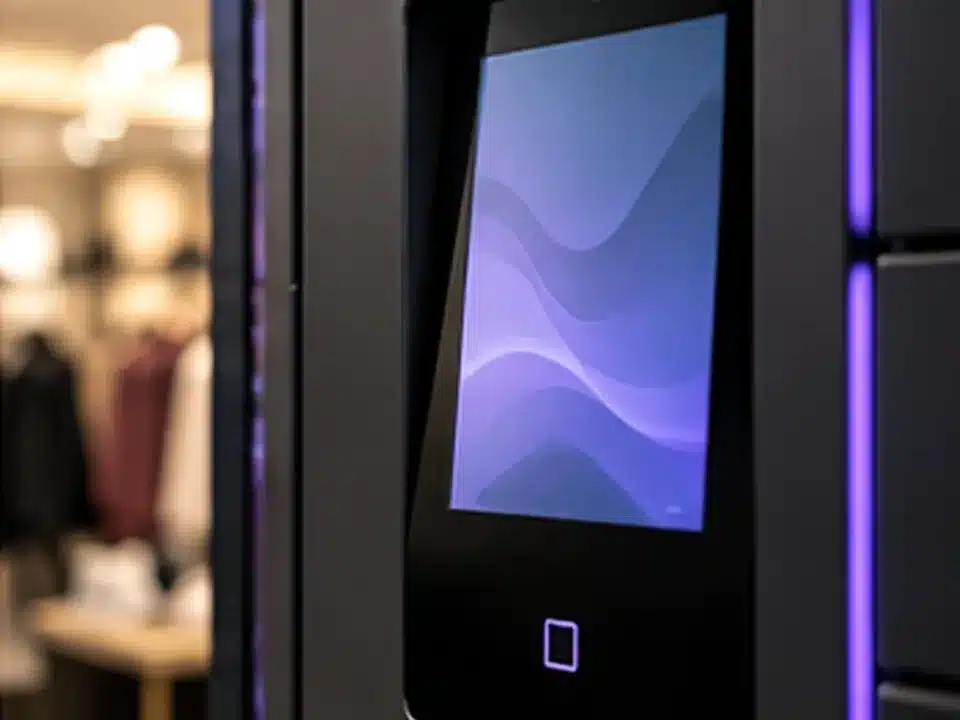
Map order eligibility, preparation, compartment assignment, customer notification, authentication, expiry, failed collection, returns and store-team exceptions. Capacity follows demand and dwell time—not store count alone.
Open the retail locker solutionA practical framework for supplier evaluation, software, access, integration, support and whole-life cost.
Read buyer’s guideUnderstand allocation, permissions, notifications, transactions, reporting, exceptions and estate management.
Review locker softwareReview terminals, credentials, networks, software, security and operational technology choices.
Explore technologyPlan how locker activity connects with operational platforms, identity, notifications and enterprise systems.
Explore integrationsModel daily volume, arrival peaks, dwell time, order size and compartment mix before finalising door count.
Plan capacity around demand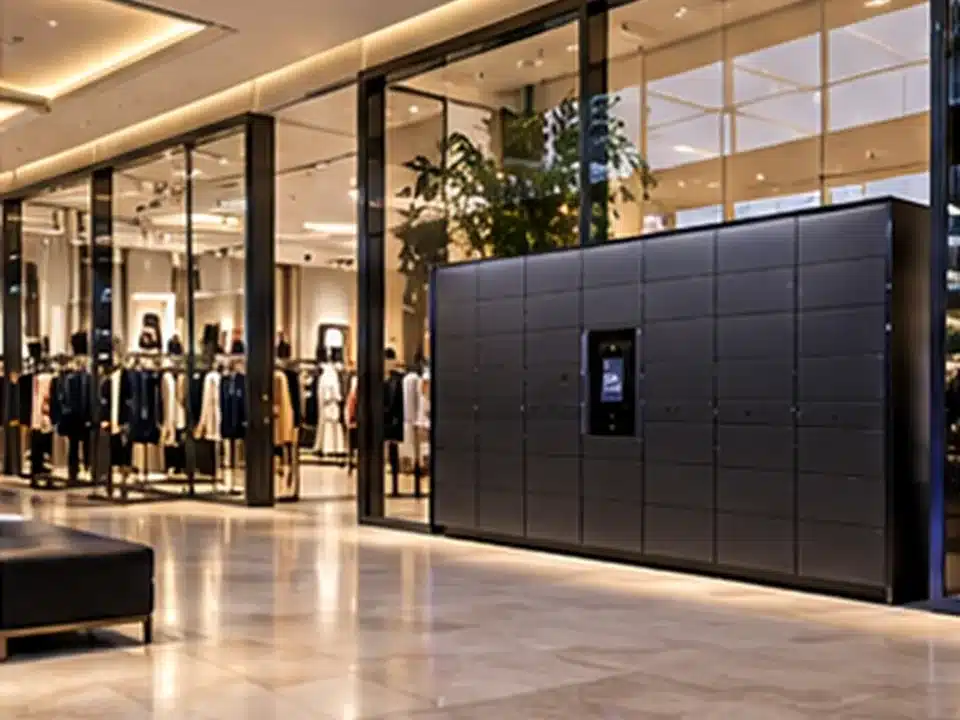
Define adoption, integration, throughput and support measures before a wider retail estate deployment.
Plan a pilotStandardise configuration, ownership, support, reporting and change control across a distributed estate.
Plan multi-site rolloutSpecify authentication, roles, logging, data handling and exception ownership for customer order collection.
Review securityUse published results to anchor the business case, then test your own collection volumes, labour assumptions, dwell time and store format.
Measured six-month operating evidence at one 51-door location handling approximately 5,500 orders annually.
Read published evidence ↗The wider programme extended the connected collection model across nine UK retail locations.
Review deployment scale ↗Prepare, deposit, notify and collect through one system-led process with digital access and transaction visibility.
Explore the retail workflow ↗Cloud management creates a common data layer for locker activity across individual stores, regions and estates.
Explore the evidence library ↗The exact integration scope depends on the retailer. These cards define the systems and events that should be mapped before deployment rather than claiming a pre-built connector where one has not been confirmed.
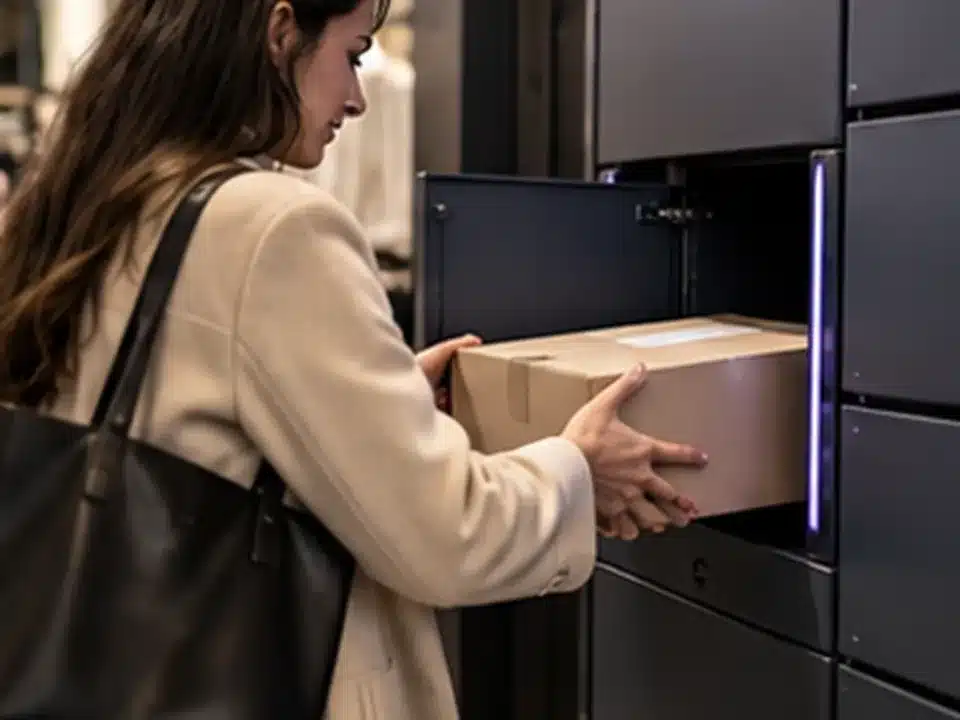
Use order-ready and collection events to coordinate assignment, release, status updates and exceptions.
Map the order workflow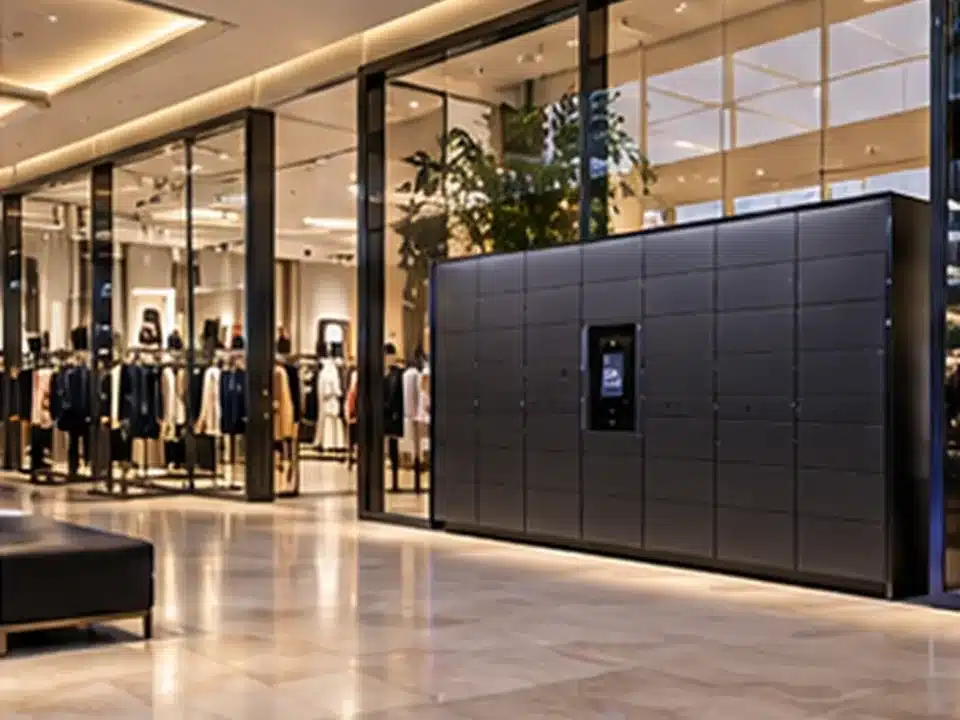
Keep the collection choice, customer message and locker journey aligned with the online order experience.
Plan ecommerce integration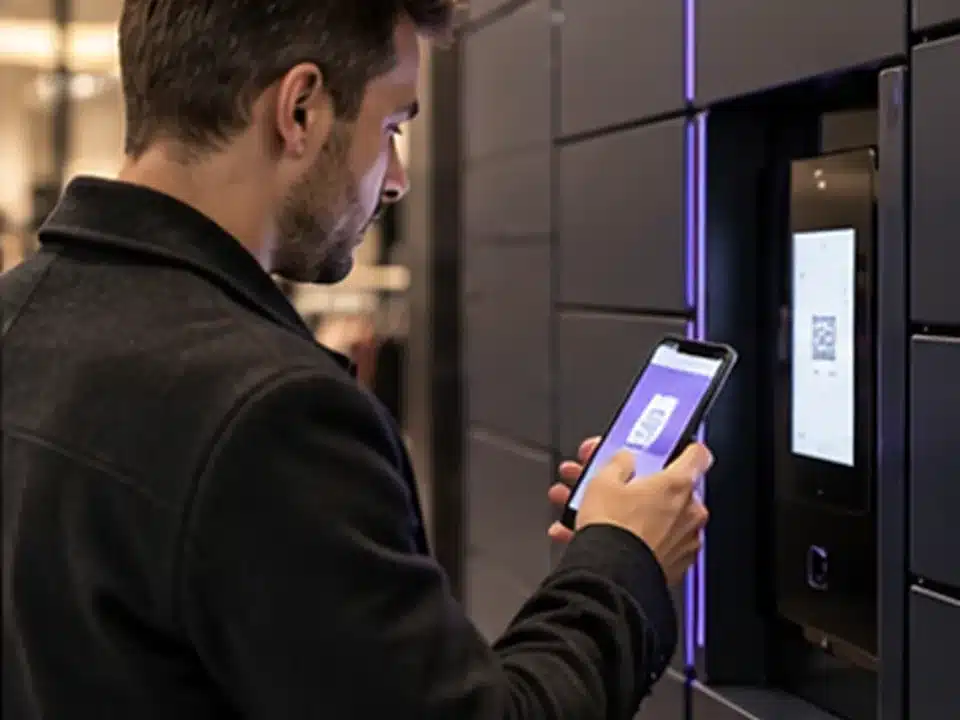
Trigger secure collection instructions, reminders, expiry messages and exception communications.
Plan notificationsMatch the customer credential to the order journey and define how entitlement is issued, validated and expired.
Review access methodsDefine the events and KPIs needed for throughput, dwell time, exceptions, utilisation and store-level performance.
Review reportingDefine authorisation, compartment assignment, customer instructions, store recovery and downstream status updates.
Plan pickup + returnsUse this sequence to move from a collection problem to a scalable operating model.
Measure collection volume by store, day and peak period, plus order dwell time and item-size profile.
Define prepare, deposit, notify, authenticate, collect, expire, return and exception ownership.
Specify order status, APIs, credentials, notifications, logging, support boundaries and failure modes.
Choose location, accessibility, compartment mix, branding, queue-free approach and staff operating procedures.
Track collection time, staff handling time, throughput, adoption, exceptions and support before wider rollout.