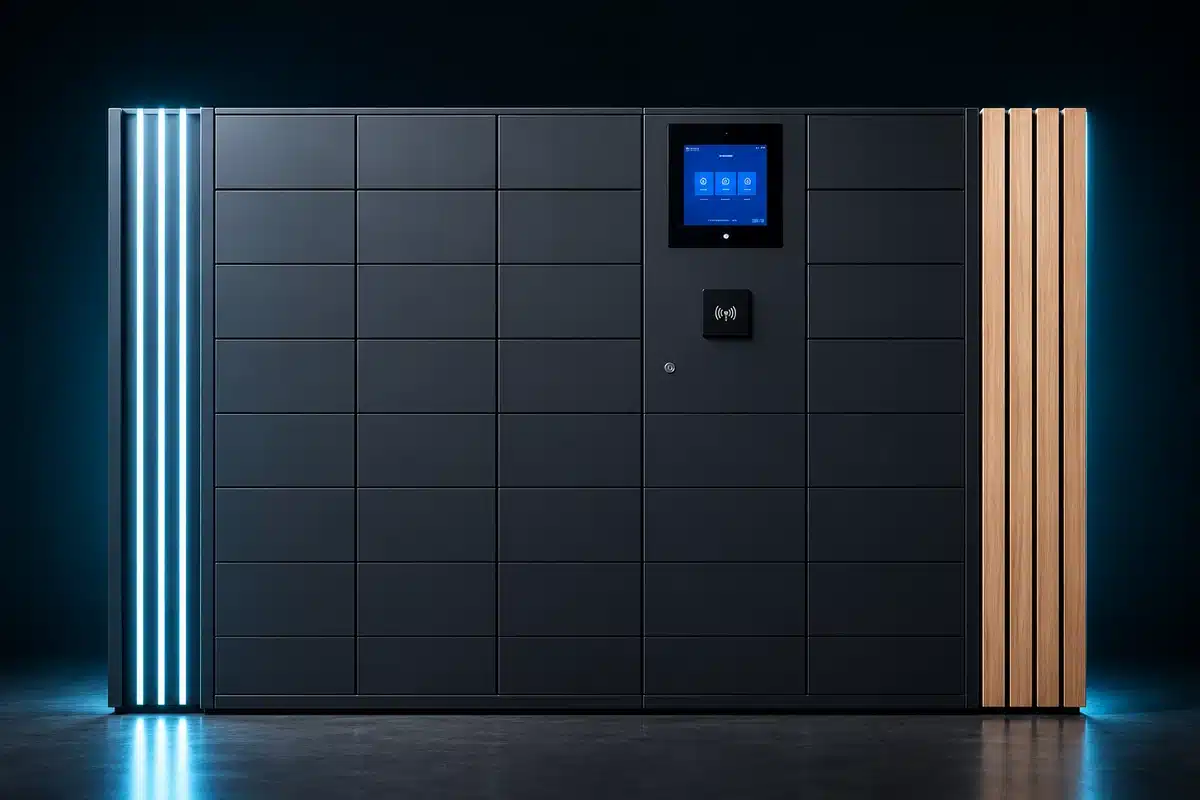
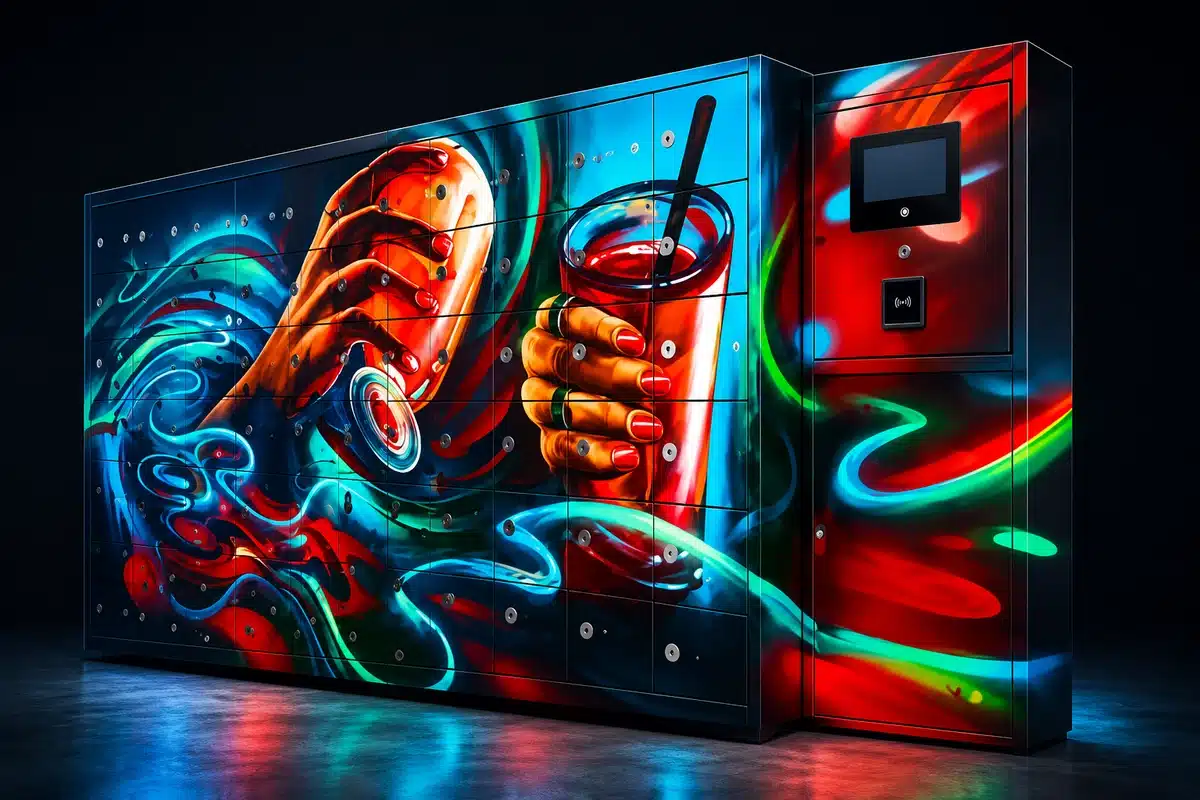
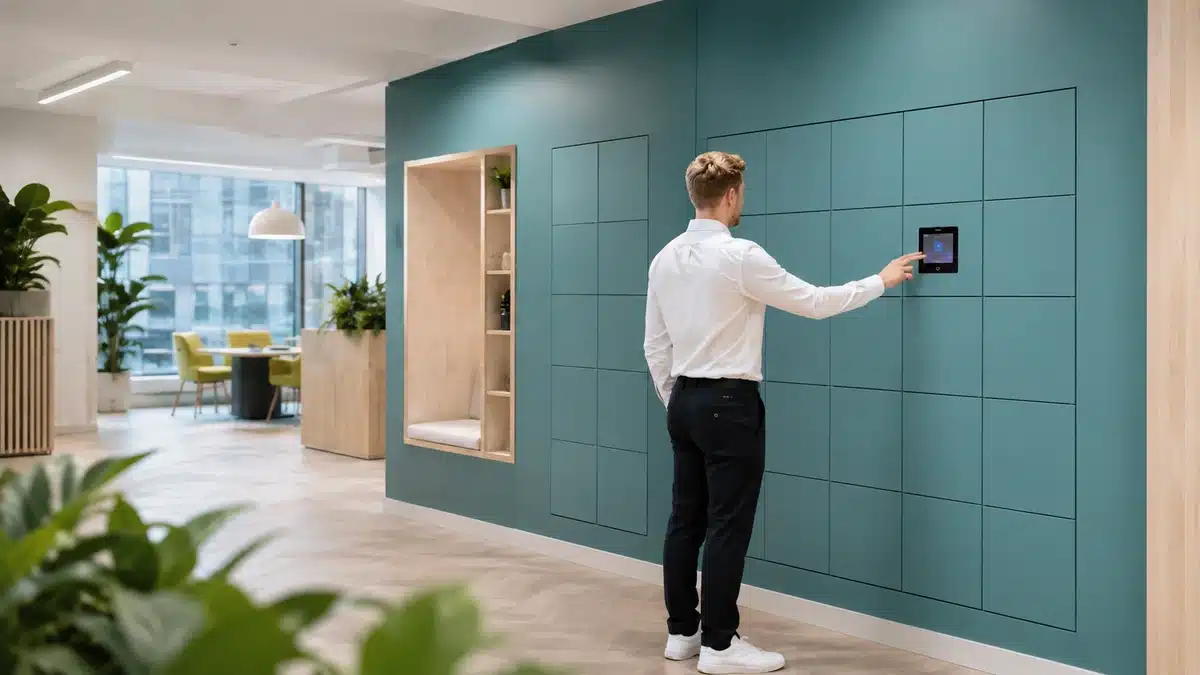
Vflex Smart Lockers, Powered by Keynius, are a state-of-the-art product with quality in-house manufacturing, intelligent design, and a cloud-based platform that can support multiple locker workflows in one smart locker wall.
Vflex Smart Lockers, Powered by Keynius, are a state-of-the-art product with quality in-house manufacturing, intelligent design, and a cloud-based platform that can support multiple locker workflows in one smart locker wall.
Vflex Smart Lockers, Powered by Keynius, are a state-of-the-art product with quality in-house manufacturing, intelligent design, and a cloud-based platform that can support multiple locker workflows in one smart locker wall.
Vflex Smart Lockers, Powered by Keynius, are a state-of-the-art product with quality in-house manufacturing, intelligent design, and a cloud-based platform that can support multiple locker workflows in one smart locker wall.
Global leaders in Smart Lockers & Smart Experiences
We design and deliver integrated systems for streamlined check-ins, secure storage, and enhanced visitor management. Our trusted partner network and focus on sustainability, data security, and customer success drives us to provide the most effective and user-friendly solutions.
Global leaders in Smart Lockers & Smart Experiences
We design and deliver integrated systems for streamlined check-ins, secure storage, and enhanced visitor management. Our trusted partner network and focus on sustainability, data security, and customer success drives us to provide the most effective and user-friendly solutions.
Global leaders in Smart Lockers & Smart Experiences
We design and deliver integrated systems for streamlined check-ins, secure storage, and enhanced visitor management. Our trusted partner network and focus on sustainability, data security, and customer success drives us to provide the most effective and user-friendly solutions.
When somebody joins, changes role or leaves, the same agreed identity policy can determine whether they may use workplace storage or collect shared equipment—without a second locker credential list.
Turn “approved employee” into a clear physical outcome.
The useful result is simple: the employee signs in or presents the agreed credential, the locker checks the permitted workflow, and the right door opens—or access is safely refused and sent to the right team.
♙
One recognised person
Match locker access to an approved enterprise identity instead of another local account.
✓
One current decision
Use the agreed policy and lifecycle status at the point the employee needs access.
The identity-led locker journey
From access policy to Locker C-12.
This example shows a new London employee becoming eligible for a workplace locker. It illustrates a design pattern, not deployed or native functionality.
OKTA · ILLUSTRATIVE IDENTITY POLICY
♙
USER ACTIVEJordan Lee · London employeeGroup: Workplace Access · policy current
→
VPOD SMART LOCKER
▦
STORAGE AVAILABLELocker C-12 entitledFloor 2 East · use agreed credential
↻
01 · LIFECYCLE
Receive the identity change
A person joins, changes role, moves site, is suspended or leaves.
◇
02 · POLICY
Apply the access rule
The agreed policy checks the person’s current status, group, role or location.
✓
03 · ENTITLE
Allow the right locker use
Approved workplace storage or equipment access becomes available under defined limits.
◈
04 · AUTHENTICATE
Confirm the employee
The person uses the agreed sign-in, badge, phone or PIN route at the point of use.
▦
05 · USE
Open, collect or return
Only the door and action allowed by the current entitlement are available.
▥
06 · RECORD
Log the agreed event
Access, denial, collection, return or timeout can inform the chosen operational record.
!
When access cannot be confirmed
If identity cannot be matched, the policy denies access, no locker is available or the credential fails, keep the door secure and route the case to the named IT, security or facilities owner.
◎
Governing several sites
Keep core identity, review and removal rules consistent while each building documents its locker zones, equipment permissions, time windows and support contacts.
Illustrative workflow only. Names, groups, locations and locker details are examples. Supported Okta triggers, authentication methods, entitlements and returned events must be confirmed during solution design.
What each team must decide
Clear ownership from identity policy to locker door.
IT Directors
Choose the identity source, lifecycle trigger, application boundary and support model.
Agree the policy, hand-offs and failure behaviour.
Lifecycle trigger
Confirm the authoritative joiner, change, suspension and leaver events.
Locker entitlement
Define which groups, roles, sites and approvals permit each physical workflow.
Authentication
Choose the supported sign-in or mapped badge, phone or PIN route and fallback.
Events returned
Decide which access, denial, collection, return and timeout events go where.
Access removal
Set timing, retries and emergency revocation for leavers and suspended identities.
Data and ownership
Document identifiers, data direction, retention, monitoring, support and site exceptions.
Integration availability, supported triggers, data direction and delivery scope must be confirmed during solution design. Exact behaviour depends on the agreed Okta, Vpod and smart-locker configuration. This page does not claim a native connector, certification, commercial relationship, customer deployment or functionality beyond the confirmed project scope.
Start with one access decision
Show us how a real employee gains or loses locker access today.
Bring the identity source, sample policies and groups, current credential process, removal timing, event requirements and exception owners.