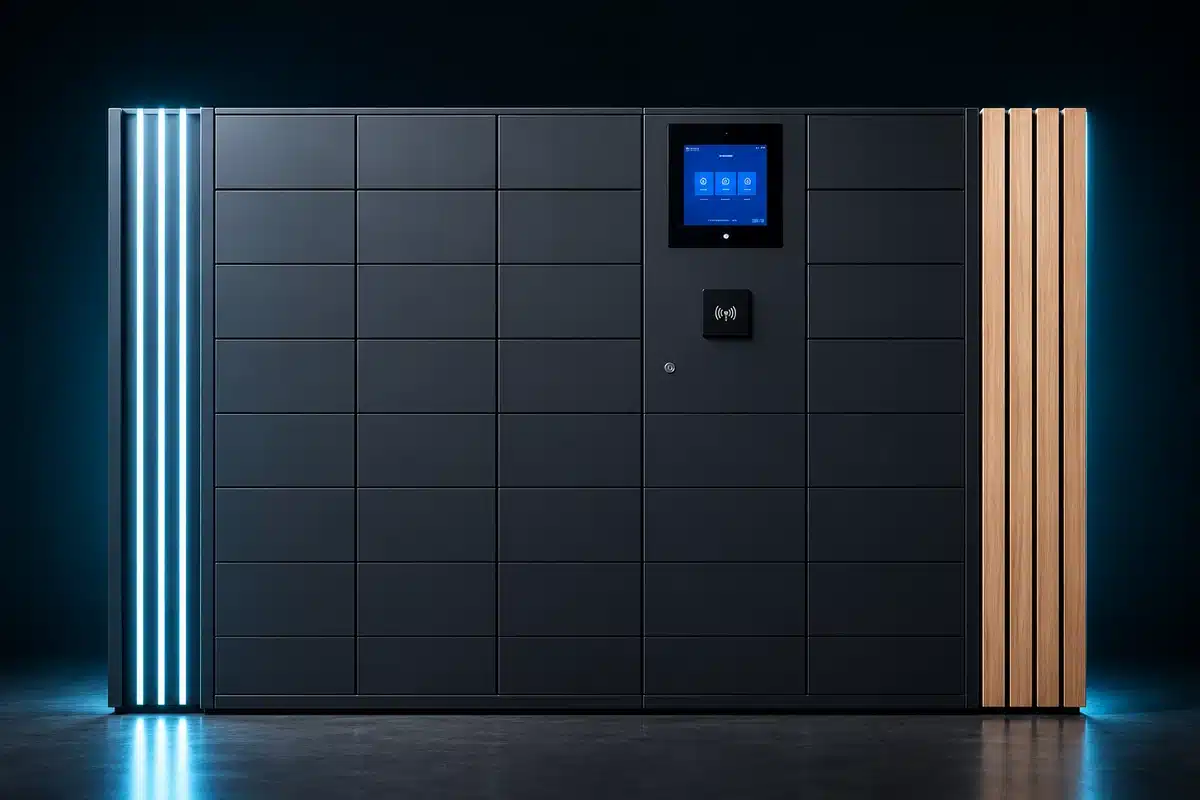
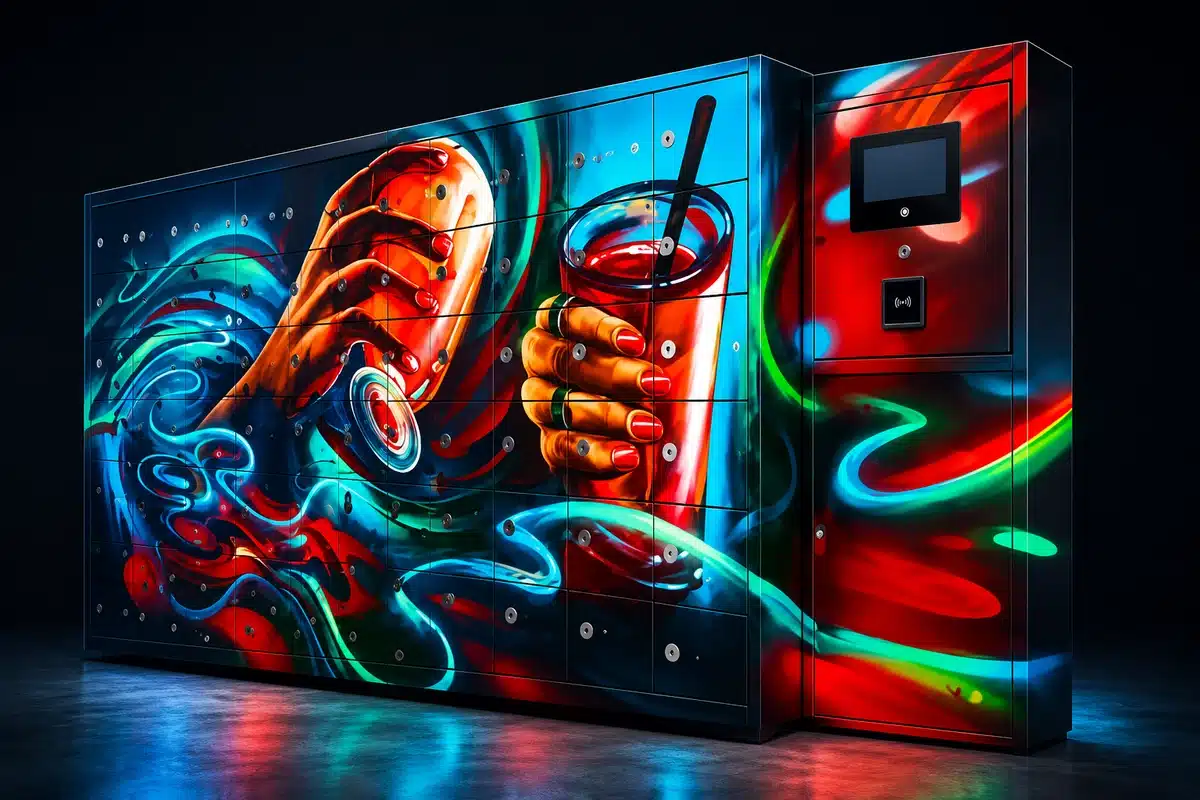
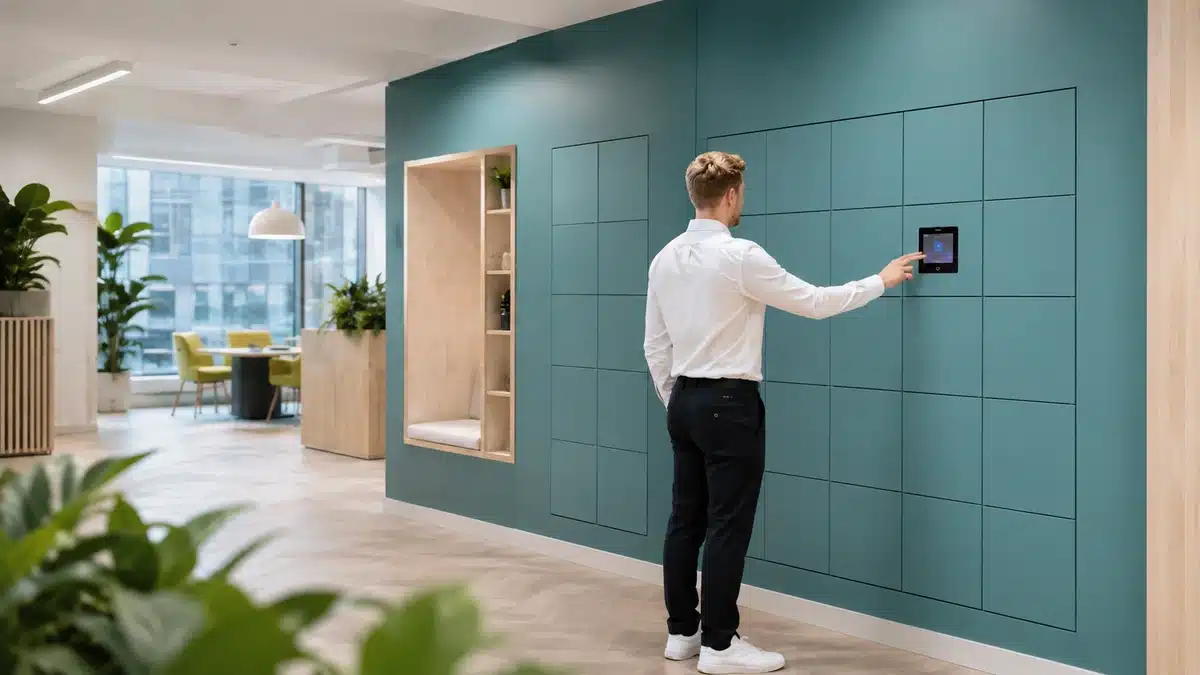
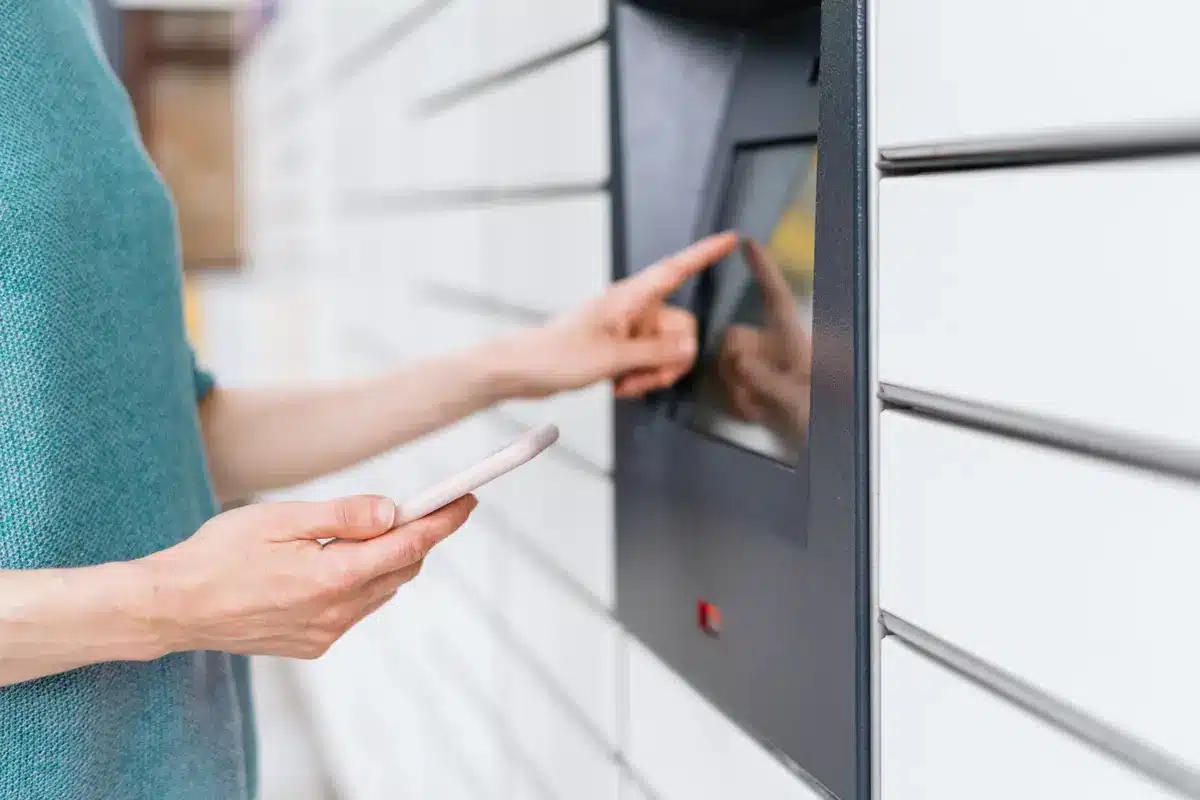
Vflex Smart Lockers, Powered by Keynius, are a state-of-the-art product with quality in-house manufacturing, intelligent design, and a cloud-based platform that can support multiple locker workflows in one smart locker wall.
Vflex Smart Lockers, Powered by Keynius, are a state-of-the-art product with quality in-house manufacturing, intelligent design, and a cloud-based platform that can support multiple locker workflows in one smart locker wall.
Vflex Smart Lockers, Powered by Keynius, are a state-of-the-art product with quality in-house manufacturing, intelligent design, and a cloud-based platform that can support multiple locker workflows in one smart locker wall.
Vflex Smart Lockers, Powered by Keynius, are a state-of-the-art product with quality in-house manufacturing, intelligent design, and a cloud-based platform that can support multiple locker workflows in one smart locker wall.
Global leaders in Smart Lockers & Smart Experiences
We design and deliver integrated systems for streamlined check-ins, secure storage, and enhanced visitor management. Our trusted partner network and focus on sustainability, data security, and customer success drives us to provide the most effective and user-friendly solutions.
Global leaders in Smart Lockers & Smart Experiences
We design and deliver integrated systems for streamlined check-ins, secure storage, and enhanced visitor management. Our trusted partner network and focus on sustainability, data security, and customer success drives us to provide the most effective and user-friendly solutions.
Global leaders in Smart Lockers & Smart Experiences
We design and deliver integrated systems for streamlined check-ins, secure storage, and enhanced visitor management. Our trusted partner network and focus on sustainability, data security, and customer success drives us to provide the most effective and user-friendly solutions.
Carry a tracked item from barcode intake into secure self-service collection or return—so the recipient gets a clear instruction and Operations gets the agreed locker and custody status back.
Barcode the item and keep its recipient, site and arrival record together.
Release it to the right person
Assign a compartment and send the agreed digital key or collection method.
Know what happened next
Return the agreed deposit, collection, return or exception status.
Verified product identity
This page refers to iTrak supplied by SPS UKI Limited, the mail-and-goods tracking service listed on the UK Government Digital Marketplace—not an unrelated GPS, fleet or generic asset-tracking product.
The verified SPS product
iTrak tracks mail, goods and their handover between people and places.
The tracking record travels with the physical handover.
The user needs to find and open one locker. Logistics and Operations need to see which item was deposited, who could collect it, what happened and who owns any failure.
▧
Specific tracked item
Barcode IT-91842 ties the scanner, destination and custody step together.
✓
Specific operational result
Deposit, collection, return or overdue status closes the next action.
The connected custody journey
From tracked scanner to “collection confirmed”.
This example is illustrative. It explains a proposed operating model and is not evidence of deployed functionality.
SPS iTRAK · ILLUSTRATIVE ITEM RECORD
▧
ITEM READY FOR HANDOVERScanner SC-204 · IT-91842Jordan Ellis · London Hub · 14 Sep · 08:46
→
VPOD SMART LOCKER
▦
SECURE COLLECTION READYAsset Locker A-12 assignedGround floor equipment zone · collect before 18:00
▤
01 · TRACK
Scan the item into the journey
Scanner SC-204 is recorded against barcode IT-91842 at the London Hub.
♙
02 · CHECK
Confirm person and handover rule
Recipient, team, location, purpose and collection window determine eligibility.
▦
03 · ASSIGN
Choose the collection compartment
Item size, available capacity and equipment zone lead to Asset Locker A-12.
◈
04 · AUTHORISE
Send the agreed digital key
The recipient receives the location, deadline and supported secure access method.
↔
05 · HANDOVER
Collect or return the item
The authorised person opens only the assigned compartment and completes the action.
✓
06 · UPDATE
Close the custody step
The agreed locker, time, user and outcome update reporting or trigger the next action.
!
Exceptions and changed circumstances
If the recipient changes, the item is damaged, no compartment fits, the key fails, collection is late or the return is incomplete, keep the door secure and route the problem to a named owner.
◎
Governance across every site
Use consistent item IDs, custody statuses and escalation rules while documenting each location’s locker bank, operating hours, local team, retention needs, offline process and support route.
Illustrative workflow only. Names, dates, barcodes, assets, locations and lockers are examples. iTrak configuration, Vpod compatibility, supported triggers, credential method, data direction and returned events must be confirmed during solution design.
Who owns each operational decision
Self-service handover without losing accountability.
Logistics Managers
Define intake, barcode, routing, collection, return and overdue processes.
The Smart Estate Logistics Platform video shows how secure storage can support collection and return while maintaining visibility of availability and activity.
Confirm the current product and every delivery boundary.
Product identity
Confirm SPS UKI, the current iTrak version, ownership and contracted modules.
Tracked item
Define barcodes, asset identifiers, condition, destination and custody statuses.
Recipient and access
Confirm user source, digital key or credential, expiry and delegated collection.
Locker action
Set item sizes, zones, capacity, collection, return and quarantine rules.
Events returned
Choose deposit, notification, access, collection, return, timeout and fault statuses.
Sites and exceptions
Document local ownership, retention, monitoring, escalation and offline operation.
Integration availability, supported triggers, data direction and delivery scope must be confirmed during solution design. This page does not assert a native connector, deployed Vpod integration, universal compatibility or functionality beyond the confirmed project scope.
Start with one real item journey
Show us how tracked equipment is issued and returned today.
Bring the current SPS iTrak contract and version, item register, user source, locker rules, custody statuses, site differences and common exceptions.