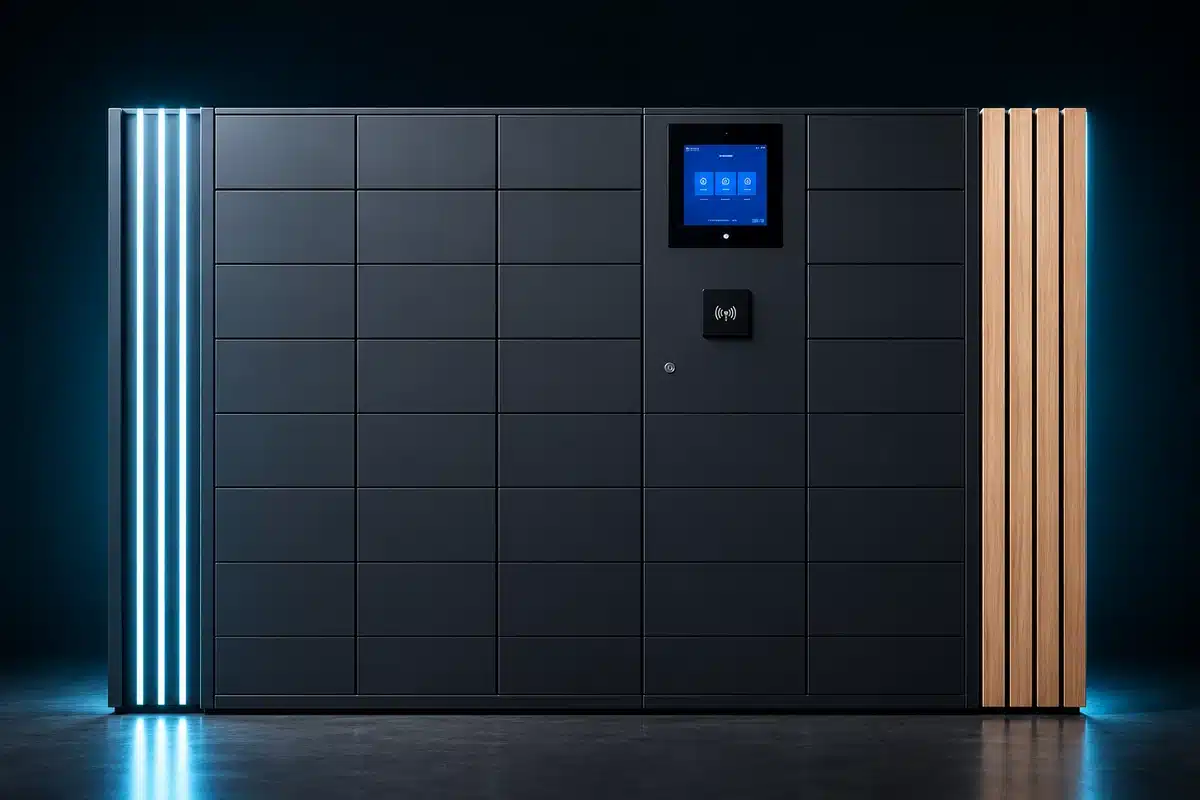
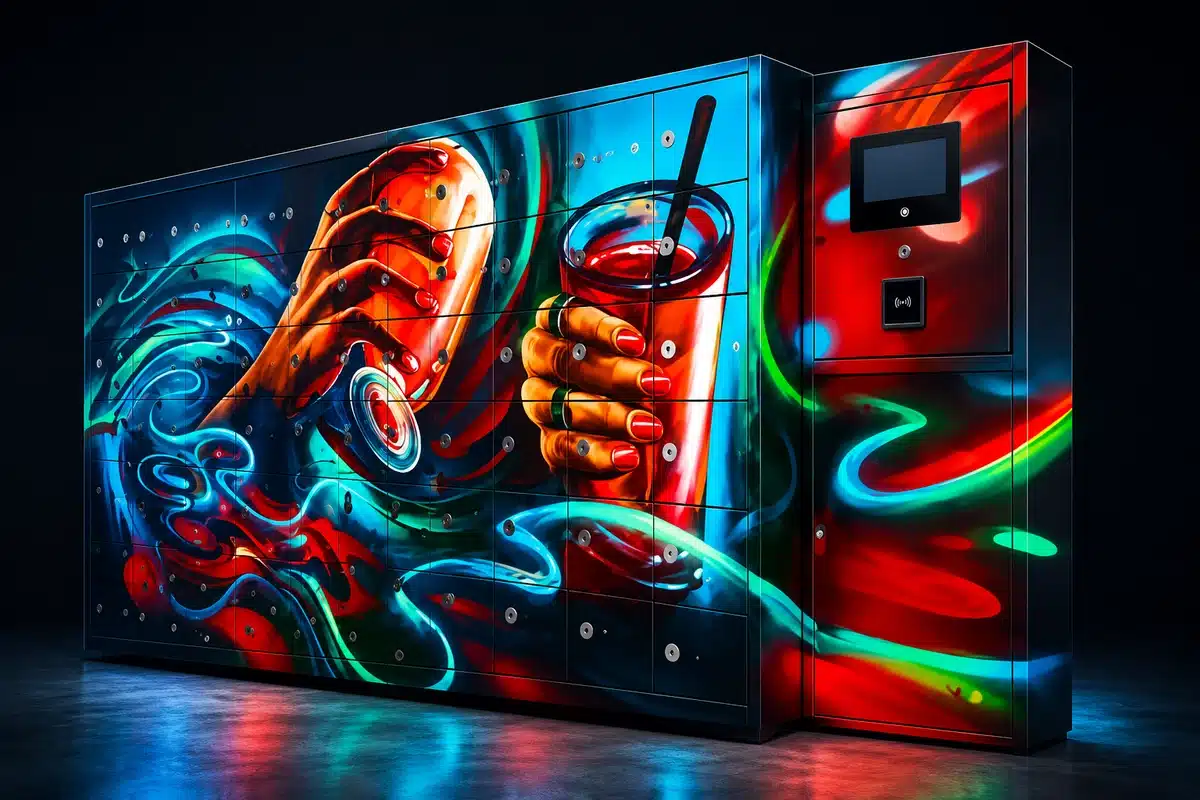
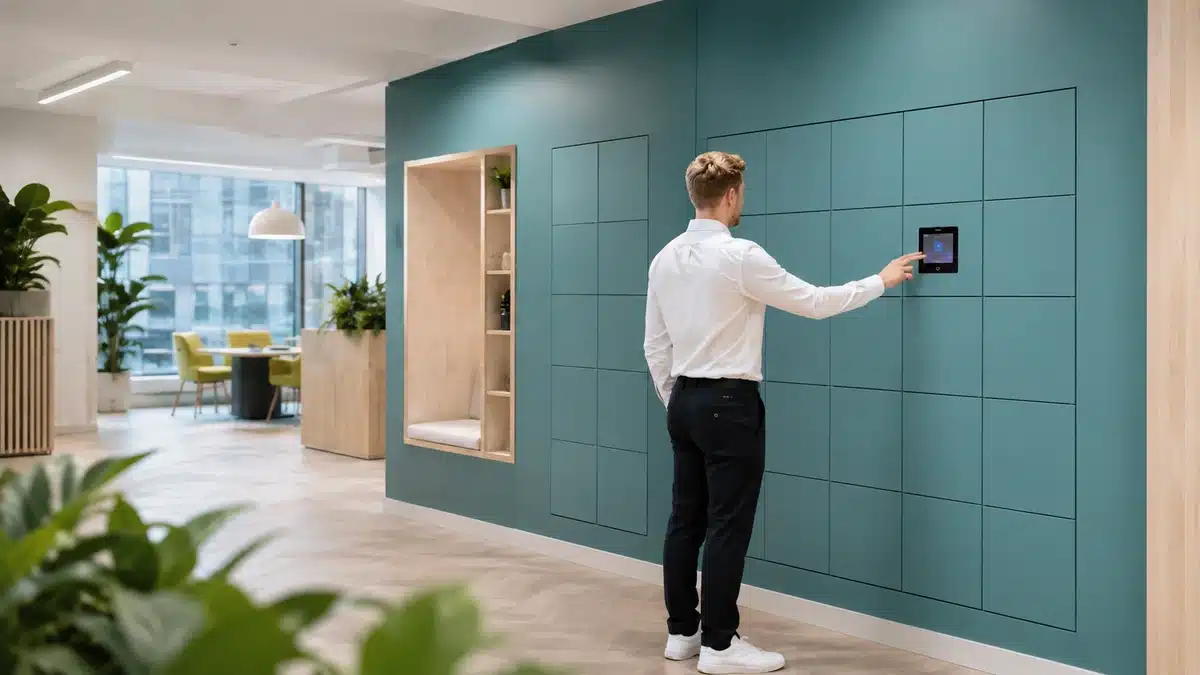
Vflex Smart Lockers, Powered by Keynius, are a state-of-the-art product with quality in-house manufacturing, intelligent design, and a cloud-based platform that can support multiple locker workflows in one smart locker wall.
Vflex Smart Lockers, Powered by Keynius, are a state-of-the-art product with quality in-house manufacturing, intelligent design, and a cloud-based platform that can support multiple locker workflows in one smart locker wall.
Vflex Smart Lockers, Powered by Keynius, are a state-of-the-art product with quality in-house manufacturing, intelligent design, and a cloud-based platform that can support multiple locker workflows in one smart locker wall.
Vflex Smart Lockers, Powered by Keynius, are a state-of-the-art product with quality in-house manufacturing, intelligent design, and a cloud-based platform that can support multiple locker workflows in one smart locker wall.
Global leaders in Smart Lockers & Smart Experiences
We design and deliver integrated systems for streamlined check-ins, secure storage, and enhanced visitor management. Our trusted partner network and focus on sustainability, data security, and customer success drives us to provide the most effective and user-friendly solutions.
Global leaders in Smart Lockers & Smart Experiences
We design and deliver integrated systems for streamlined check-ins, secure storage, and enhanced visitor management. Our trusted partner network and focus on sustainability, data security, and customer success drives us to provide the most effective and user-friendly solutions.
Global leaders in Smart Lockers & Smart Experiences
We design and deliver integrated systems for streamlined check-ins, secure storage, and enhanced visitor management. Our trusted partner network and focus on sustainability, data security, and customer success drives us to provide the most effective and user-friendly solutions.
Move service tickets into secure self-service fulfilment.
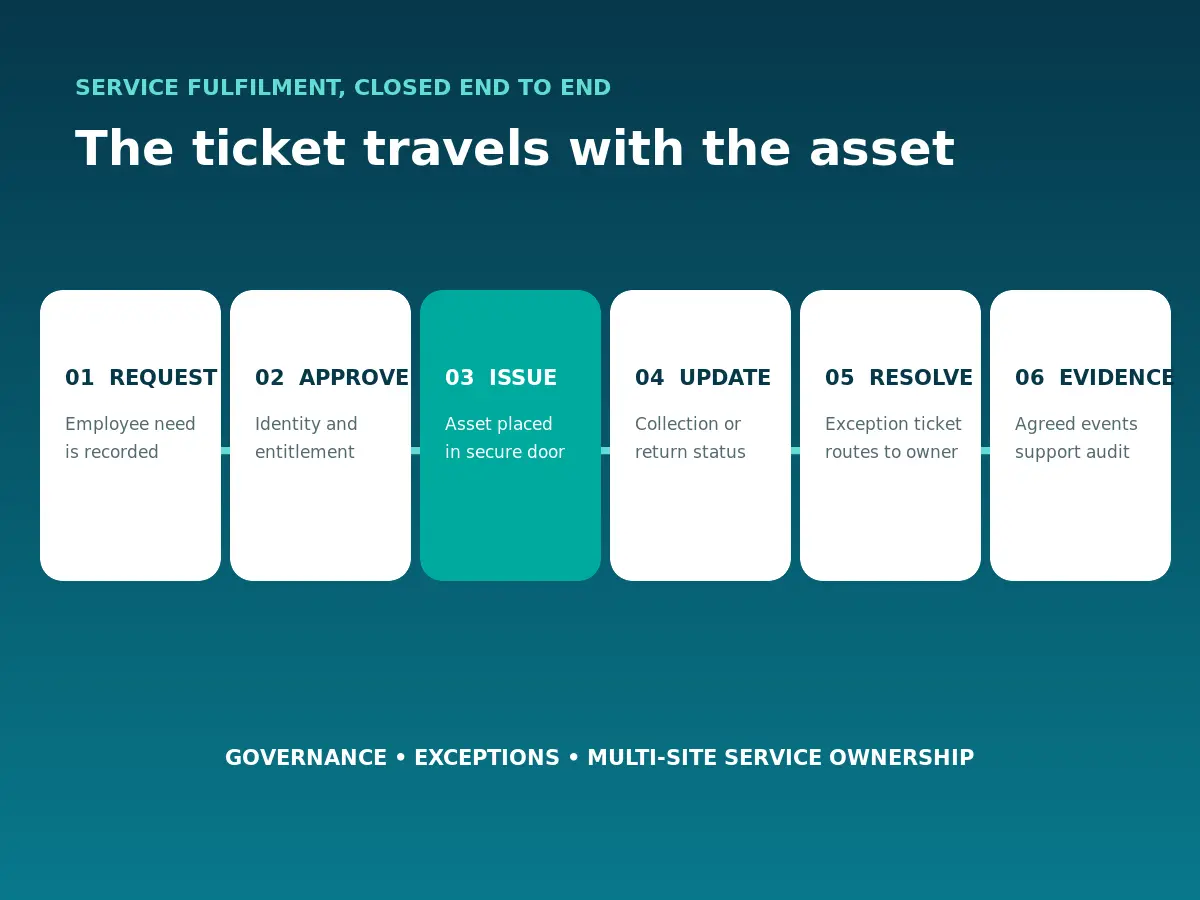
Connect an approved TOPdesk request to a Vpod locker issue or return, keep the employee informed and route exceptions back to an accountable service owner.
Follow the item and the service event across the estate.
The Vpod Smart Estate Logistics Platform video illustrates the wider operating principle: connect physical movement, secure storage and service visibility.
Confirm the service process and interface together.
Trigger
Confirm the TOPdesk request, incident or state change that begins each journey.
Identity
Define the authoritative user source, entitlement and credential route.
Action and events
Agree allocation rules and which locker events return to which record.
Exceptions
Assign ownership for failed access, no-shows, wrong assets and overdue returns.
Governance
Confirm minimum data, access, retention, audit and change-control requirements.
Multi-site delivery
Standardise configuration and reporting while documenting local variation.
Integration availability, supported triggers, data direction and delivery scope must be confirmed during solution design. This page does not assert a certified native integration, customer deployment or commercial partnership. Product names and trademarks belong to their respective owners.
Map the fulfilment workflow
Connect the service request to secure issue and return.
Bring the current request types, approval rules, asset records, identity model, exception paths and site requirements.