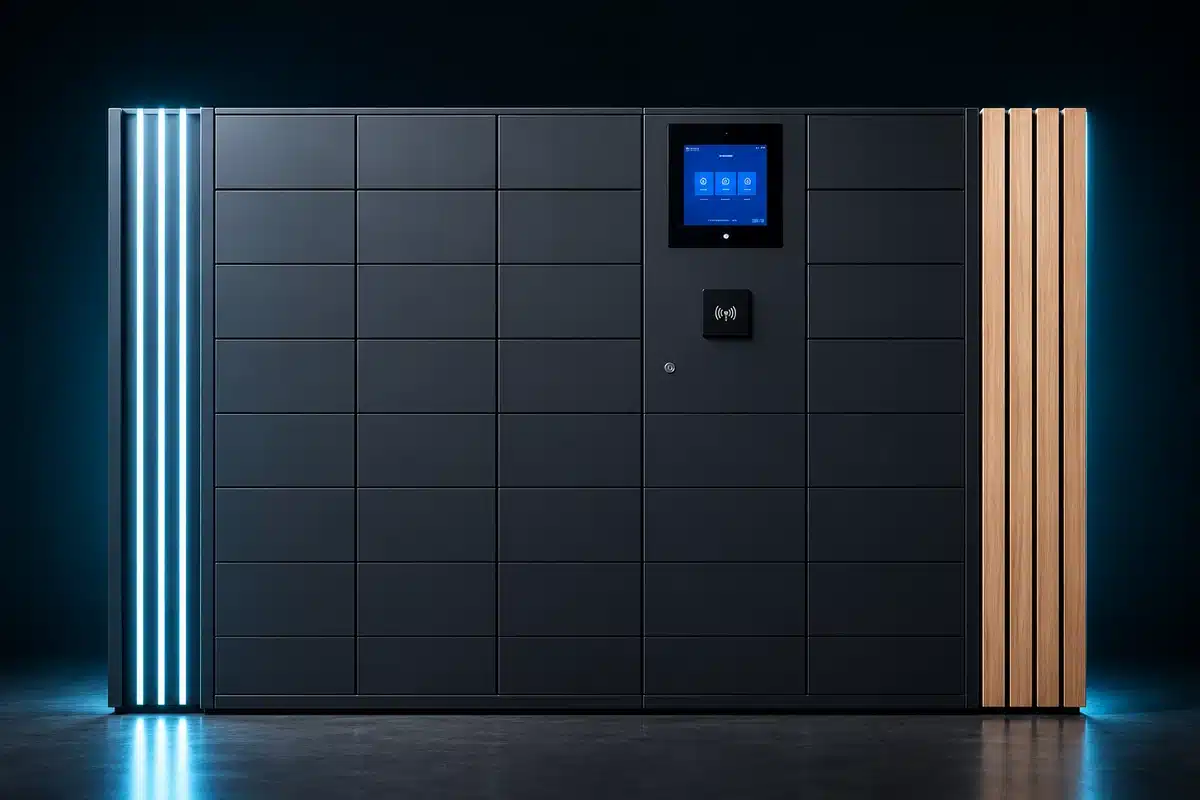
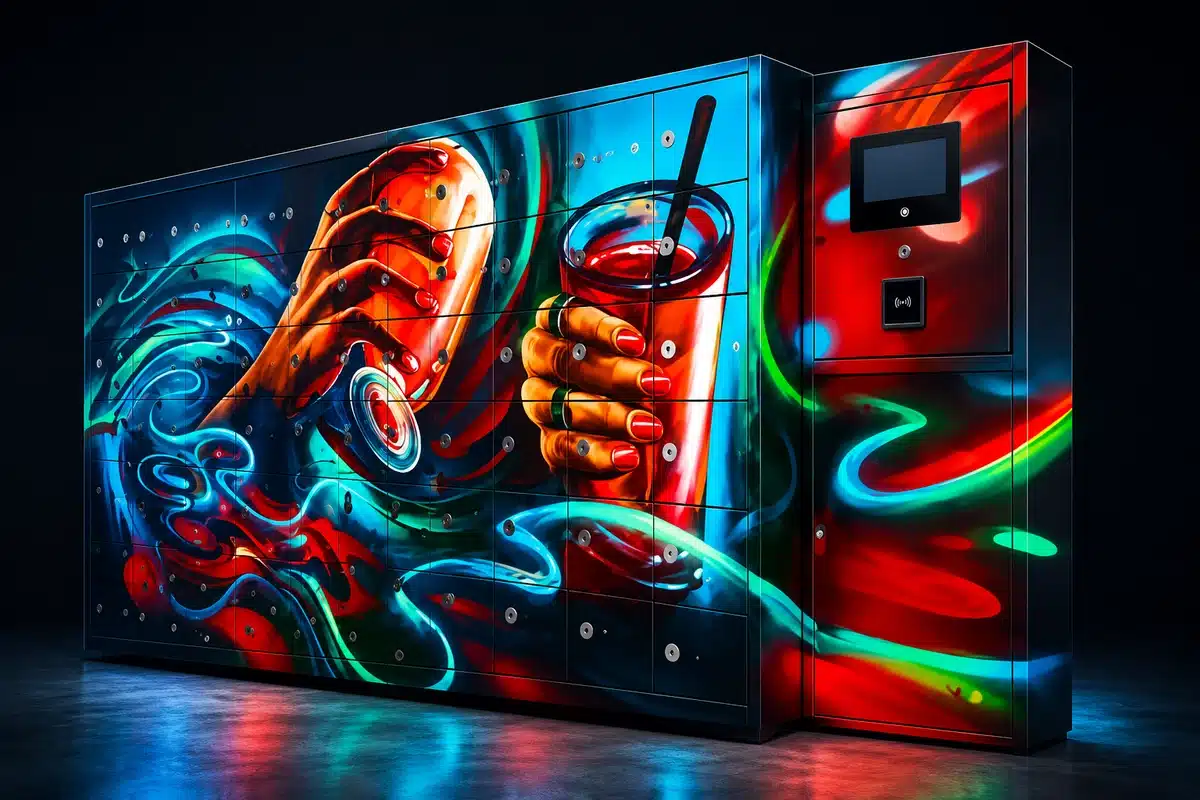
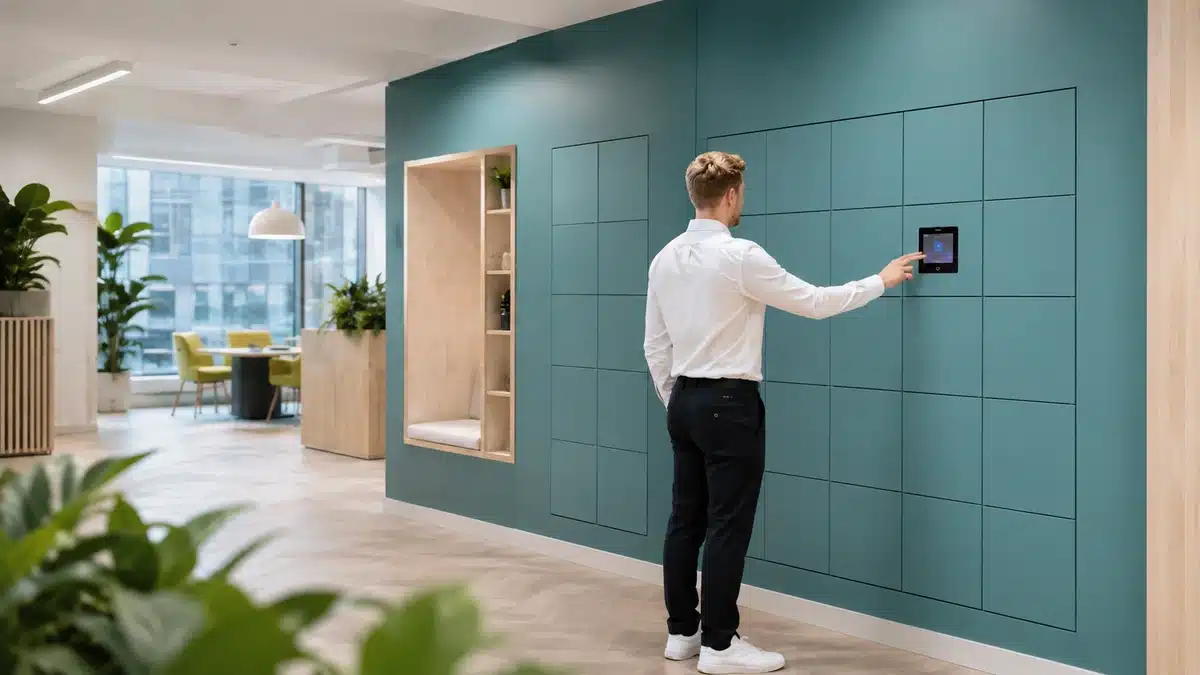
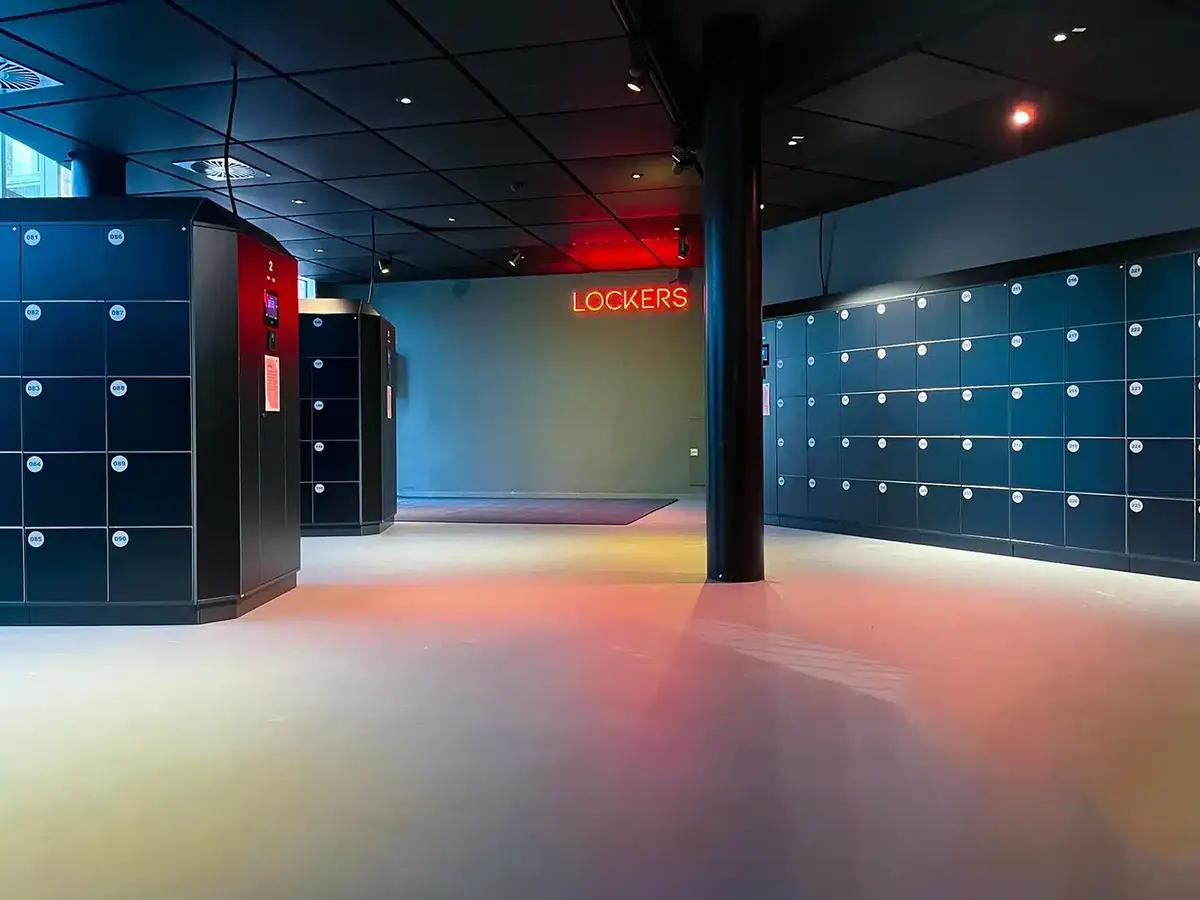
Vflex Smart Lockers, Powered by Keynius, are a state-of-the-art product with quality in-house manufacturing, intelligent design, and a cloud-based platform that can support multiple locker workflows in one smart locker wall.
Vflex Smart Lockers, Powered by Keynius, are a state-of-the-art product with quality in-house manufacturing, intelligent design, and a cloud-based platform that can support multiple locker workflows in one smart locker wall.
Vflex Smart Lockers, Powered by Keynius, are a state-of-the-art product with quality in-house manufacturing, intelligent design, and a cloud-based platform that can support multiple locker workflows in one smart locker wall.
Vflex Smart Lockers, Powered by Keynius, are a state-of-the-art product with quality in-house manufacturing, intelligent design, and a cloud-based platform that can support multiple locker workflows in one smart locker wall.
Global leaders in Smart Lockers & Smart Experiences
We design and deliver integrated systems for streamlined check-ins, secure storage, and enhanced visitor management. Our trusted partner network and focus on sustainability, data security, and customer success drives us to provide the most effective and user-friendly solutions.
Global leaders in Smart Lockers & Smart Experiences
We design and deliver integrated systems for streamlined check-ins, secure storage, and enhanced visitor management. Our trusted partner network and focus on sustainability, data security, and customer success drives us to provide the most effective and user-friendly solutions.
Global leaders in Smart Lockers & Smart Experiences
We design and deliver integrated systems for streamlined check-ins, secure storage, and enhanced visitor management. Our trusted partner network and focus on sustainability, data security, and customer success drives us to provide the most effective and user-friendly solutions.
Sell the locker before the guest reaches the queue.
Offer storage alongside the event ticket, confirm payment or entitlement, issue an arrival credential and direct the guest to a ready locker. Extensions, failed access, late collection and performance reporting follow one agreed operating model.
Show locker size, location, time window and price before checkout.
Arrive with access ready
Translate the confirmed booking into one locker and credential.
See what each event delivered
Return occupancy, use, exceptions and commercial results.
A capability pattern, not a partner claim
Connect the booking outcome to the physical storage service.
Different ticketing, venue and attraction platforms expose different booking, add-on, payment, credential and event models. This page describes the decisions a project may need; it does not publish endpoints or claim a ready-made connector.
Booking, payment, identity and locker access are separate records. The agreed integration must define which system owns each decision, which reference joins them and how duplicate, delayed or uncertain events are handled.
EVENT TICKETSaturday 14 September · 19:30Co-op Live · East entrance · Order EV-48217
LOCKER ADD-ONMedium locker · £8.00Available from 18:00 until 23:45
ARRIVAL READYLocker V-214 allocatedPresent QR credential at East concourse
EVENT CLOSEReleased at 23:18Booking, payment and locker records matched
Make pre-booking useful on arrival
The add-on must become a real locker, not another voucher to interpret.
▤
One clear offer
Show size, zone, operating window, price and refund rule before purchase.
▦
One clear outcome
Tell the guest where the locker is and exactly how to open it.
The visual pre-booked journey
From “Add a locker” to “Locker V-214 ready”.
This realistic example is illustrative and is not evidence of functionality with any named booking or ticketing platform.
VENUE CHECKOUT · ILLUSTRATIVE
▤
LOCKER ADD-ON CONFIRMEDOrder EV-48217 · £8.0014 Sep · 19:30 · East entrance · medium
→
VPOD SMART LOCKER
▦
STORAGE READY ON ARRIVALLocker V-214 allocatedEast concourse · access until 23:45
★
01 · SELECT
Choose event and storage
The guest selects the event, date and a medium locker add-on before arrival.
£
02 · CONFIRM
Approve payment or entitlement
The agreed outcome confirms whether this booking is allowed to receive storage.
▦
03 · ALLOCATE
Reserve suitable capacity
Locker V-214 is assigned in the East concourse for the event window.
▣
04 · CREDENTIAL
Send arrival access
The guest receives the supported QR, PIN, ticket-linked or mobile route.
↔
05 · USE
Open, store or extend
The guest operates the locker and follows agreed extension or late-collection rules.
✓
06 · REPORT
Return the event result
Booking, opening, release, occupancy, exception and revenue data inform performance.
!
Exceptions and changed circumstances
If the event moves, payment is uncertain, capacity disappears, a credential fails, the door faults or the guest collects late, preserve the booking and route the case to a named venue, security, finance or support owner.
◎
Governance across venues
Standardise identifiers, pricing, refund authority and reporting while allowing each site to define entrances, locker zones, operating windows, accessibility, security escalation, lost-property handling and event calendars.
Names, prices, orders, dates, credentials and lockers are illustrative. Platform identity, API availability, supported triggers, authentication, payment and entitlement ownership, data direction and Vpod delivery scope must be confirmed during solution design.
Who owns the operating decisions
Ticketing starts the journey; venue teams must finish it.
Venue Operations
Own arrival flow, locker zones, opening hours, assistance, late collection and event close.
Set sizes, sites, zones, event windows, pricing, tax and refund rules.
Entitlement
Define the payment or approval outcome that permits allocation.
Credential
Choose the arrival method, identity checks, sharing rules and fallback.
Locker action
Agree reserve, allocate, open, reopen, extend, release and timeout behaviour.
Exceptions
Handle cancellations, reschedules, no capacity, faults and late collection.
Reporting
Join ticket, add-on, payment, credential, locker and venue-performance records.
Integration availability, supported triggers, data direction and delivery scope must be confirmed during solution design. Exact behaviour depends on the selected booking or ticketing platform, commercial and identity systems, credentials, venue rules and Vpod configuration. This page does not claim published endpoints, a universal connector, certification, customer deployment or functionality beyond the confirmed project scope.
Start with one real event journey
Show us how a guest buys, arrives, stores and leaves today.
Bring the ticket flow, add-on rules, payment and identity owners, venue map, credential route, common exceptions and reporting needs.