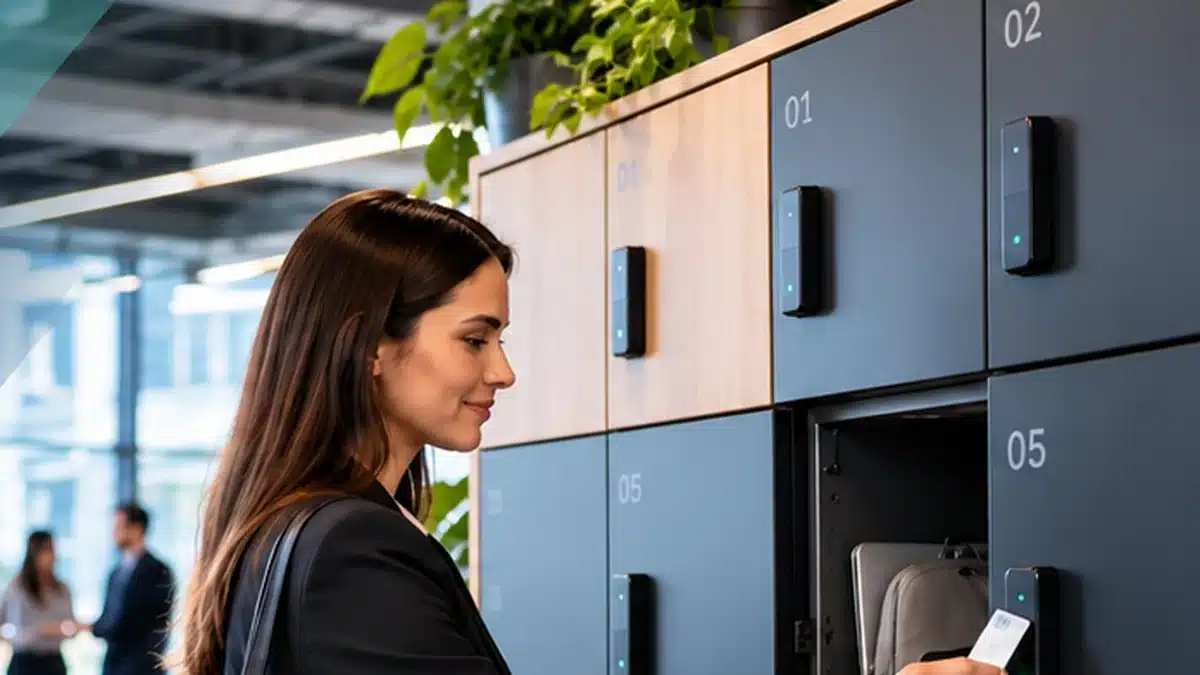
What is the difference between assigned and dynamic lockers?
Assigned lockers remain reserved for named users or roles. Dynamic lockers are allocated when an eligible user needs storage and can return to the available pool when the configured session or workflow ends.
What are shared workplace lockers?
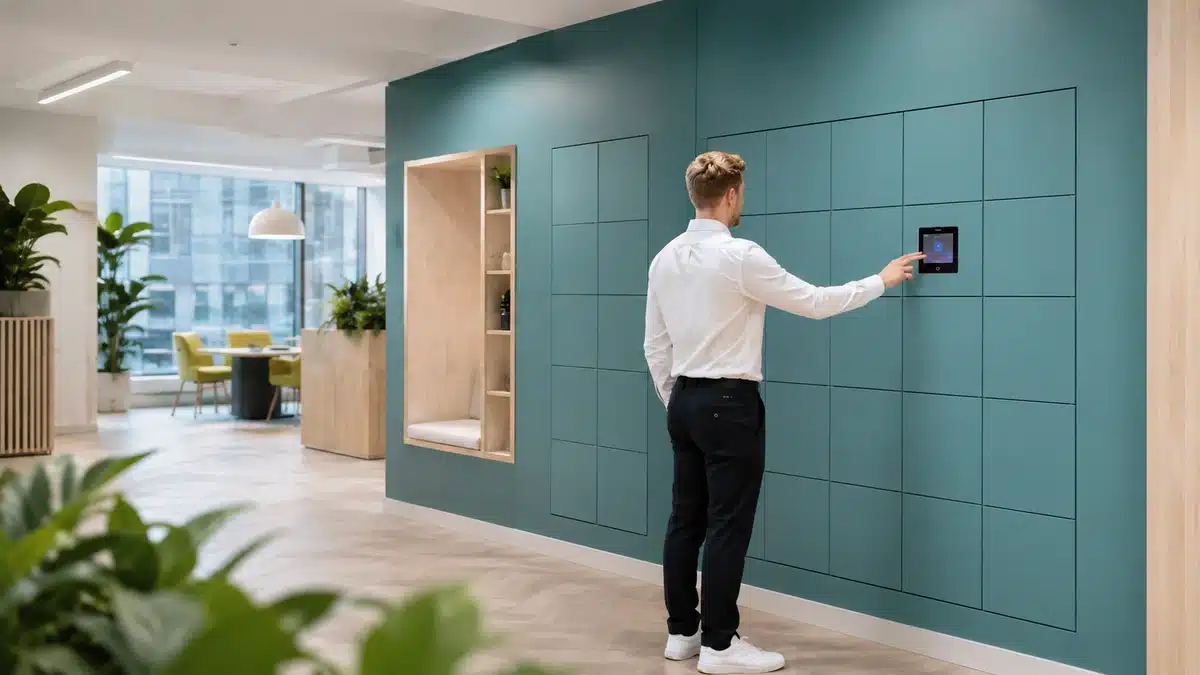
Shared workplace lockers are available to an authorised user population rather than permanently tied to one employee. They work best with clear rules for access, duration, release and exceptions.
What is dynamic locker allocation?
Dynamic locker allocation uses software rules such as identity, availability, location, user group and policy to assign suitable storage when it is needed.
Are dynamic lockers better for hybrid working?
They are often well suited to hybrid teams because released capacity can be reused by employees attending on different days. Assigned lockers may still be appropriate for defined users or long-term storage needs.
Can one workplace use assigned and dynamic lockers together?
Yes. A mixed model can retain dedicated lockers for users who require certainty while using shared or dynamic capacity for variable-attendance groups.
Do dynamic lockers reduce the number of lockers required?
Dynamic allocation can improve utilisation, but the final quantity should still be based on peak concurrent demand, storage take-up, zoning, assigned-user needs and contingency.
How are dynamic lockers released?
Release depends on the configured workflow. It can follow user action, end-of-session logic or another agreed rule, with exceptions for overdue or occupied lockers.
Can dynamic lockers use existing employee badges?
They can where the chosen credential, reader and identity design are compatible. Exact credential and entitlement requirements should be confirmed during solution design.