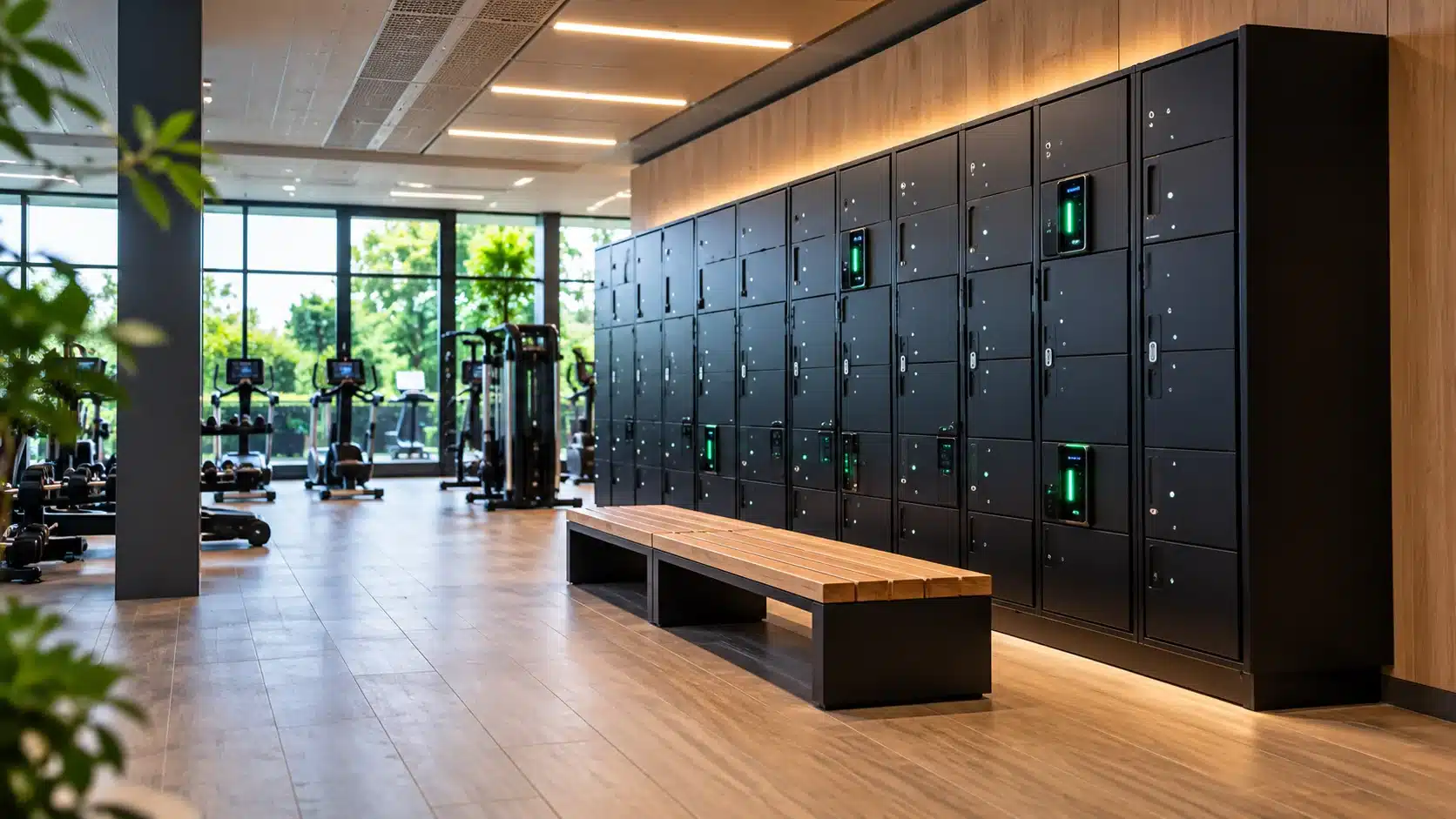

LEISURE OPERATIONS
Operations Director
Absorb recurring peak demand without adding locker administration, queues or inconsistent site processes.
Explore operations priorities

We design and deliver integrated systems for streamlined check-ins, secure storage, and enhanced visitor management. Our trusted partner network and focus on sustainability, data security, and customer success drives us to provide the most effective and user-friendly solutions.


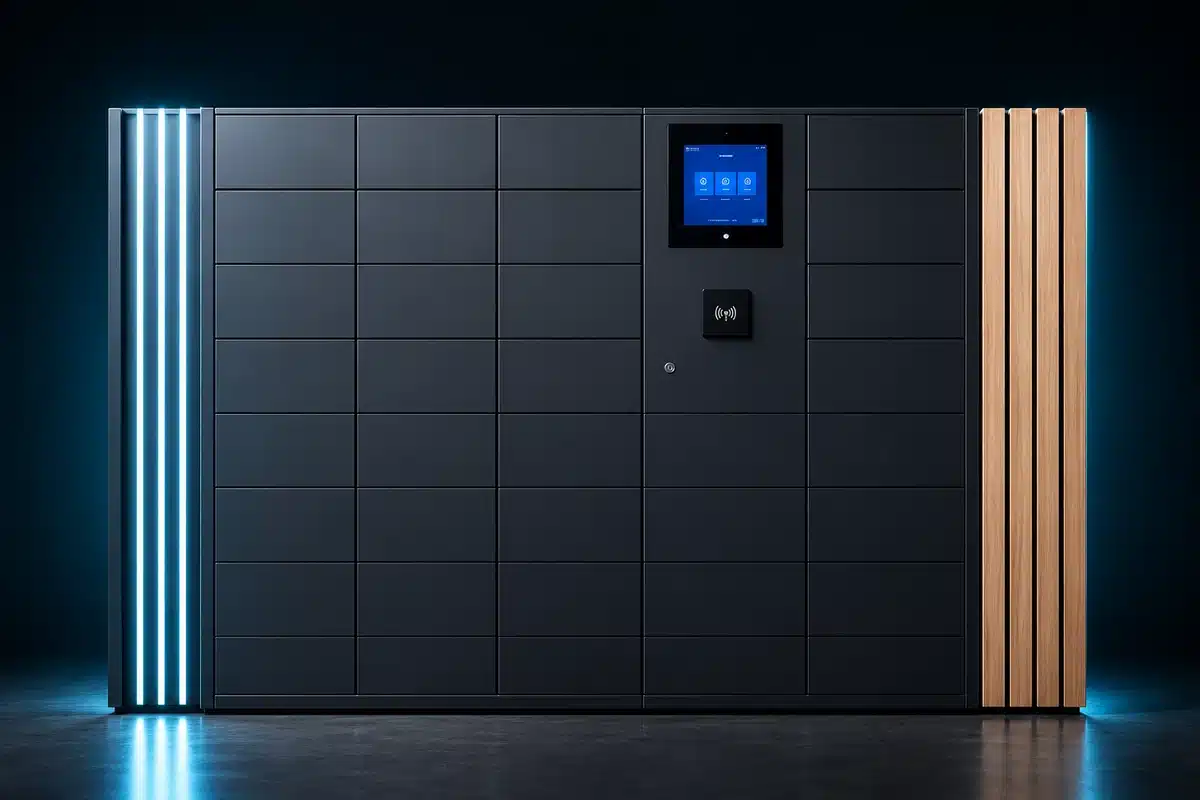
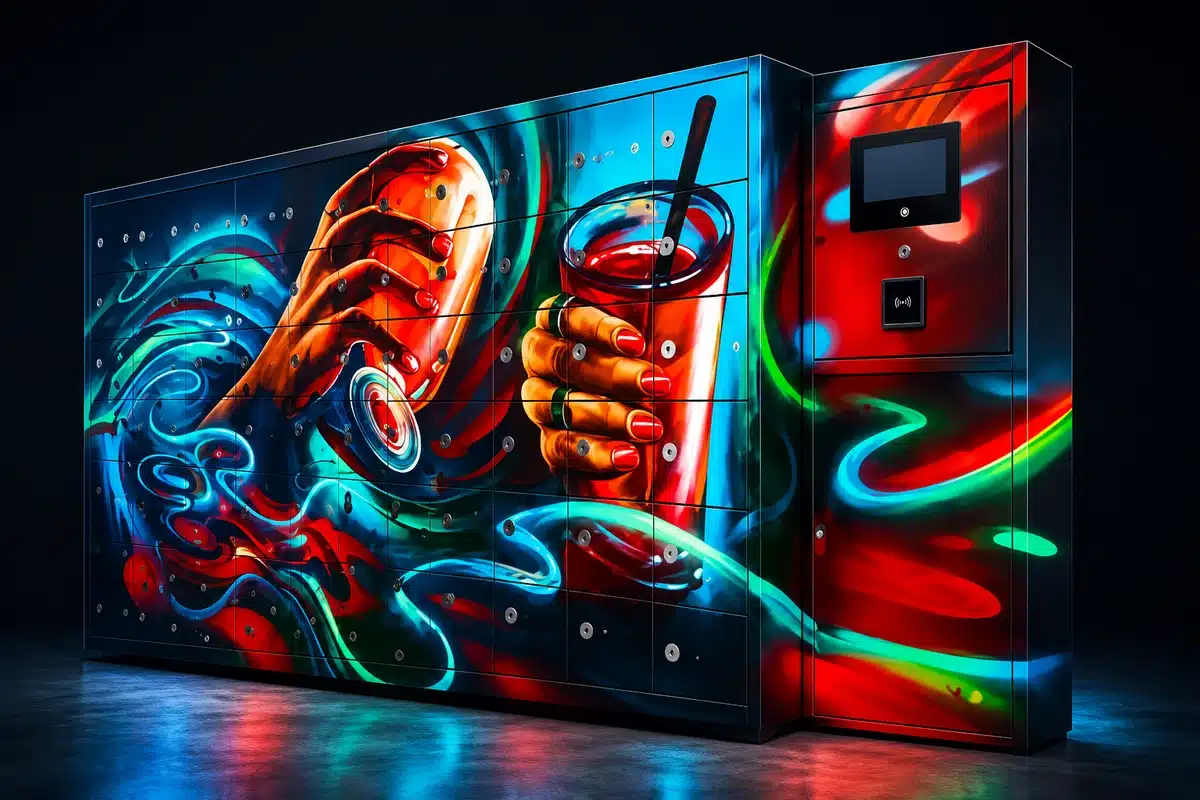
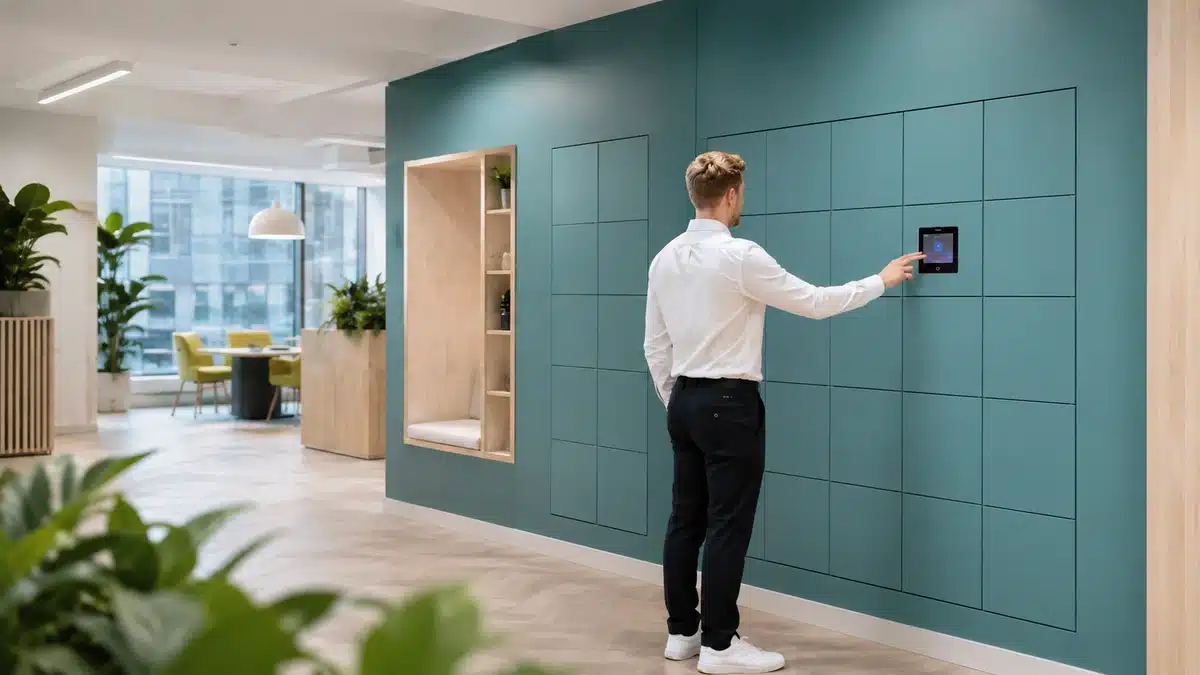

We design and deliver integrated systems for streamlined check-ins, secure storage, and enhanced visitor management. Our trusted partner network and focus on sustainability, data security, and customer success drives us to provide the most effective and user-friendly solutions.
We design and deliver integrated systems for streamlined check-ins, secure storage, and enhanced visitor management. Our trusted partner network and focus on sustainability, data security, and customer success drives us to provide the most effective and user-friendly solutions.
Expert resources for leisure, gym, sports and attraction teams designing secure self-service storage: remove keys and coins, reduce peak-time congestion, protect staff time, improve locker availability and create a better member and visitor experience.
Busy leisure venues create repeat peaks: members arrive together, changing areas fill quickly and reception teams are asked to solve lost keys, locker faults and access issues exactly when visitor demand is highest.
This centre brings together role-specific guidance, leisure pain points, comparisons, planning resources, technology, integrations and published Vpod evidence for gyms, leisure centres, sports facilities and visitor attractions.
Explore Vpod leisure locker solutions ↗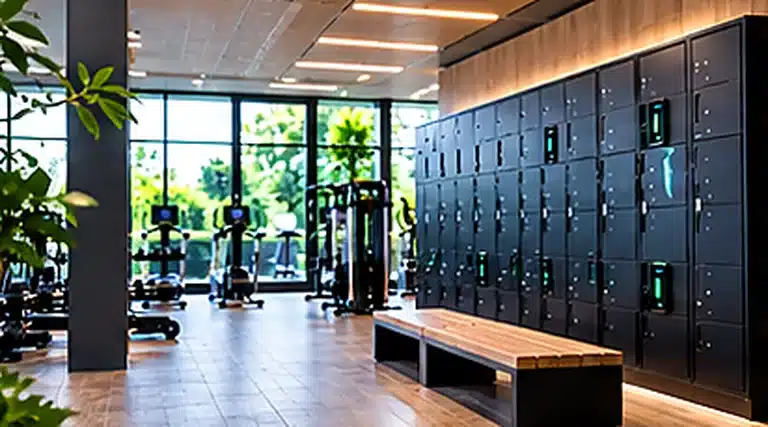
Throughput, maintenance, guest experience, utilisation, revenue and system control create different questions for different owners.
Absorb recurring peak demand without adding locker administration, queues or inconsistent site processes.
Explore operations priorities
Reduce key loss, lock replacements, reactive maintenance and underused locker capacity.
Explore facilities priorities
Assess paid access, utilisation and revenue-share models without compromising visitor experience.
Explore the commercial case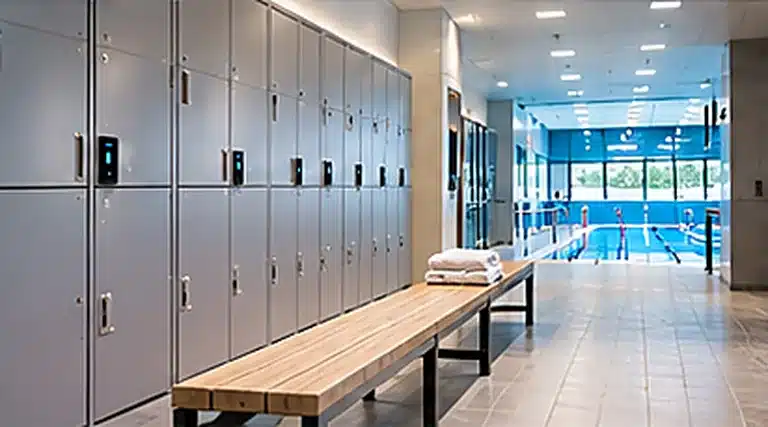
Connect credentials, payments, access rules, reporting and multi-site administration into one supportable workflow.
Explore integration planningUse these problems to diagnose whether the root cause is peak demand, manual access, maintenance, lost property, staff intervention or poor visibility.

Locker questions and key handling add friction exactly when arrivals and session changeovers are busiest.
Reduce reception queues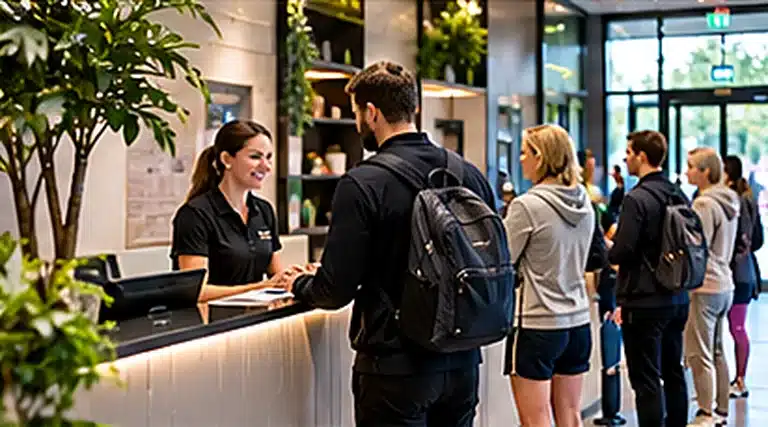
Physical keys, deposits, tokens and mechanical locks create avoidable failure points and staff intervention.
Compare coin vs smart lockers
Broken locks, damaged doors and reactive repairs reduce availability and create repeated facilities workload.
Reduce locker maintenance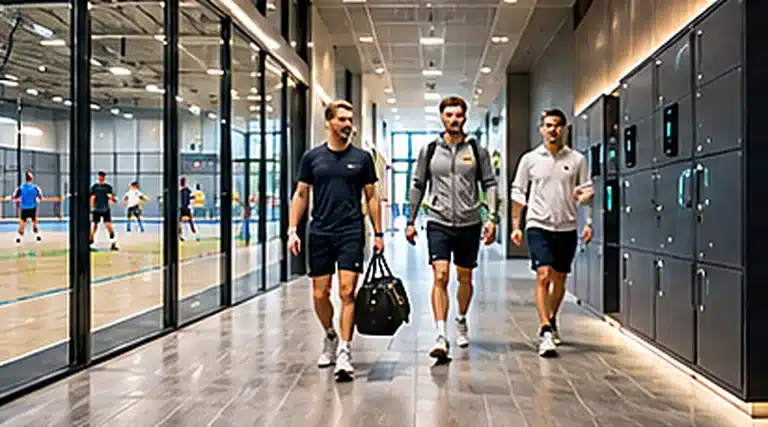
Static allocation and poor turnover can make capacity feel insufficient even when lockers remain technically available.
Plan around peak leisure demand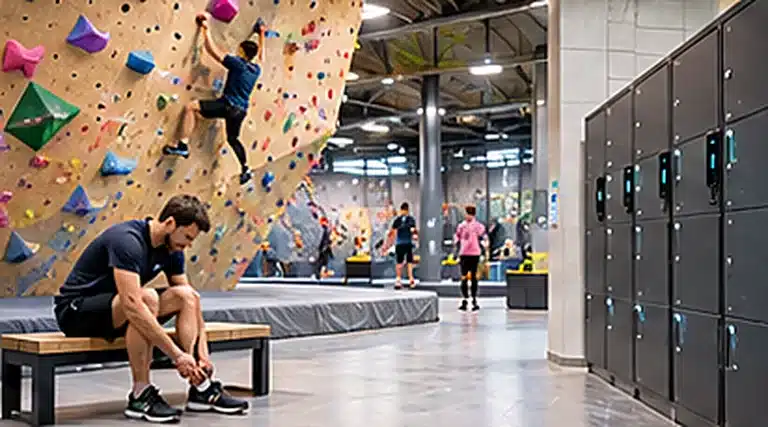
Uncontrolled storage creates enquiries, manual logging and repeated reception interruptions.
Reduce lost-property administration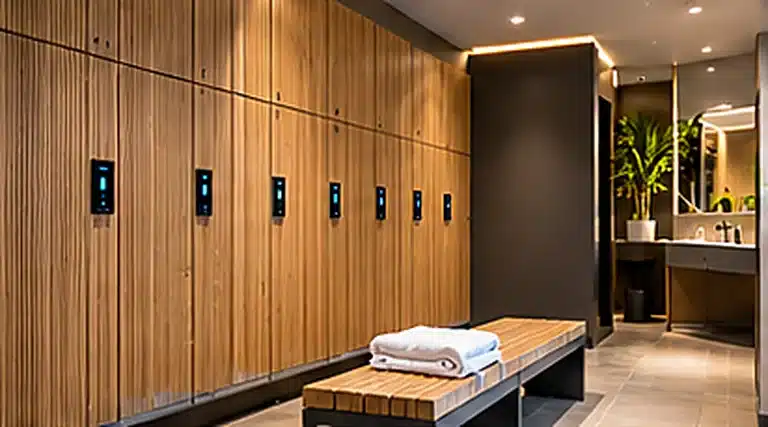
Allocation, resets and access support absorb staff time without improving the core member experience.
Replace manual locker managementSeparate the access method, operating model and commercial model so the specification follows the visitor journey rather than the locker cabinet.
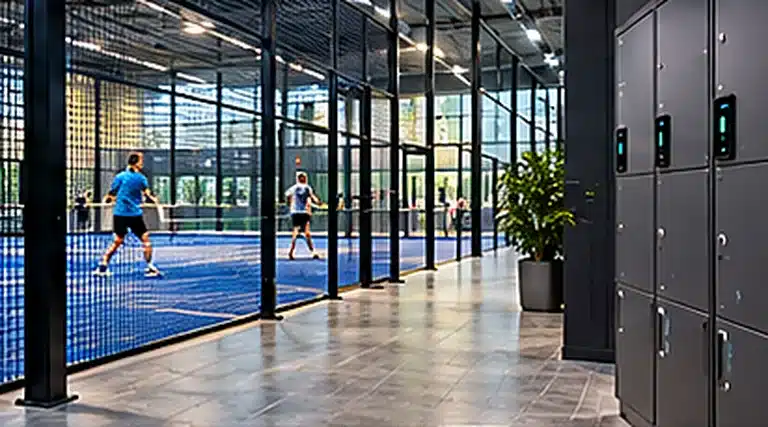
Compare maintenance, access, staff involvement, visibility and scalability.
Read the comparison
Compare coin friction, digital access, resets, utilisation data and the visitor experience.
Read the comparison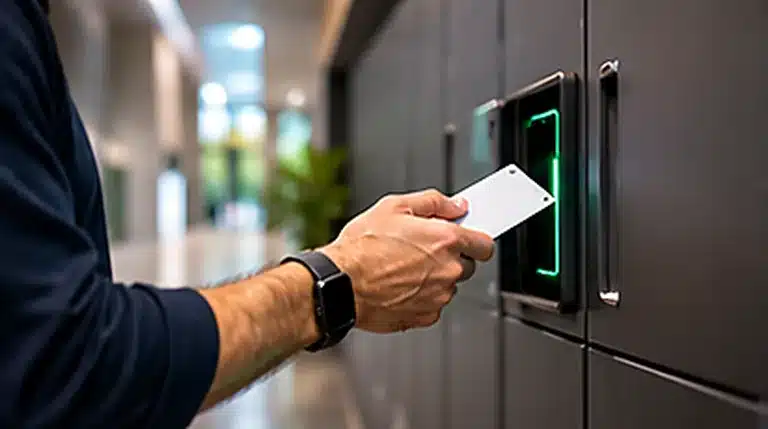
Compare recurring labour with a self-service operating model and potential storage revenue.
Build the automation case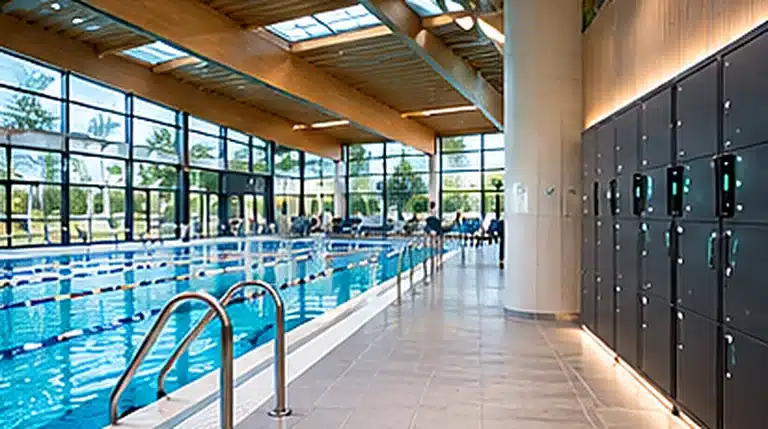
Assess purchase, managed-service and revenue-share routes against risk, demand and cash profile.
Compare commercial modelsUse these resources to move from an operational problem to a specification, pilot and scalable deployment plan.

Map peak visitor arrivals, session changeovers, dwell time, locker demand, access credentials, availability, resets, payment rules, exceptions and front-desk support. Size capacity around real use rather than locker count alone.
Explore the leisure locker solution ↗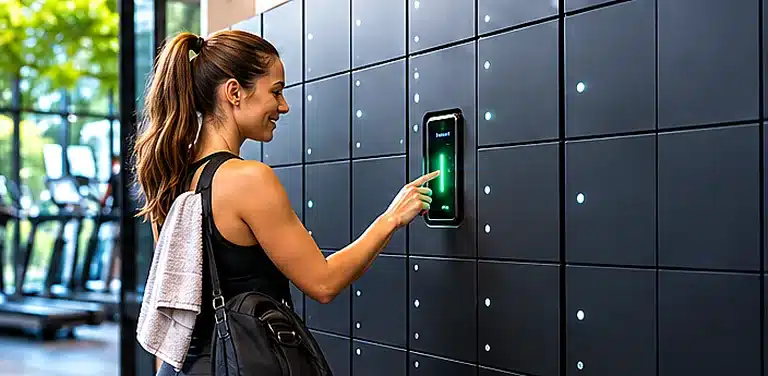
Build a confident brief, compare suppliers and define the operational requirements before procurement.
Open the Knowledge Centre
Understand access methods, software, networks, security, audit trails and management controls.
Explore the technology library
Plan identity, payment, access, operational and service integrations around the venue workflow.
Explore integration options
See how digital locker access can reduce reception involvement while improving member convenience.
Read the leisure guide
Validate visitor adoption, demand, capacity, access method and support requirements before wider rollout.
Plan a representative pilot
Understand the commercial logic behind managed paid storage and the Flip Out Lakeside model.
Explore revenue-share strategy
Standardise configuration, ownership, support, reporting and change control across a distributed estate.
Plan multi-site rollout
Specify authentication, roles, logging, data handling and exception ownership for customer order collection.
Review securityPublished project facts you can check — without confusing them with forecast savings or modelled ROI.
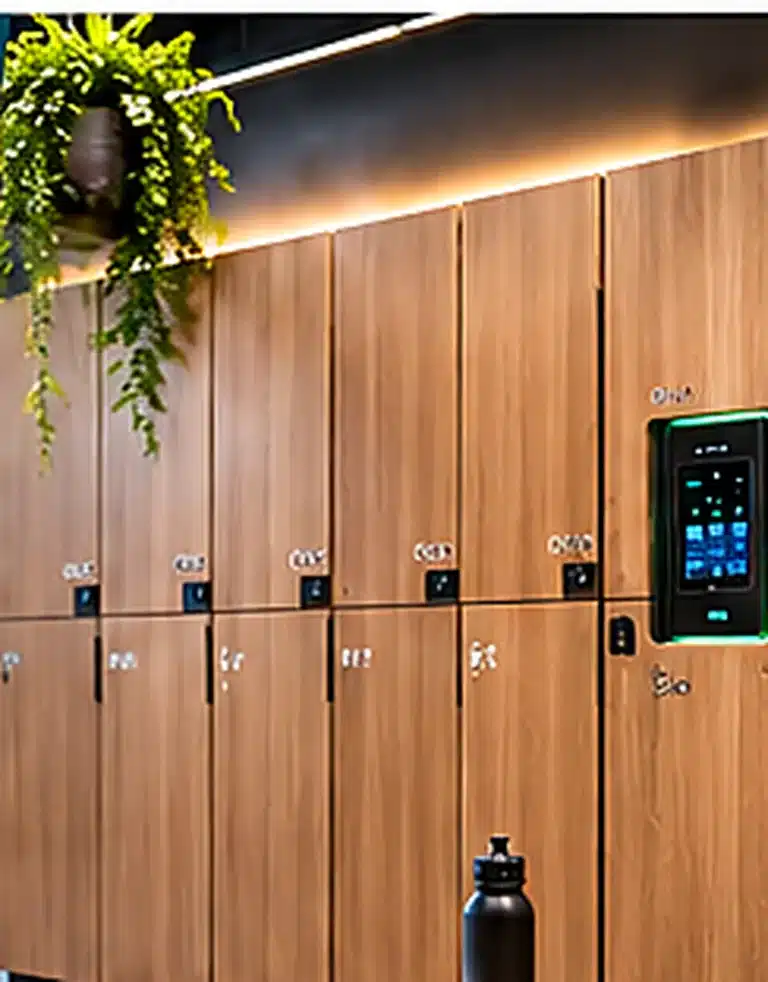
 Illustrative Vpod photograph · not the Jordaan installation
Amsterdam · Modernising club storage
Replaced coin-operated lockers with self-service PIN access. Members no longer need keys or coin deposits; lockers reset for the next visitor after use.
 Flip Out Lakeside · Vpod published case-study image
UK · Self-service visitor storage
A live leisure deployment to test visitor demand and a managed, paid-storage model. The published project scope includes installation, software, maintenance and support.
Published deployment evidence: locker quantity, access method, deployment type and proof-of-concept period. These are directly supported by the linked case studies.
Modelled improvement: staffing time, utilisation, queues, revenue, payback and ROI are site-specific scenarios. Validate those with baseline measurements and a live pilot before publishing them as results.
The strongest leisure deployments treat access, payment, availability, reporting and support as one operating system.
Choose credentials around the member journey, visitor type and required audit trail.
Compare access technologies
Support free member storage, pay-per-use visitor storage or a commercial revenue-share model.
Explore leisure commercial models
Integrate membership or access workflows where required rather than creating a disconnected locker process.
Plan integration architecture
Use central visibility to understand demand, exceptions, occupancy and multi-site performance.
See connected leisure operations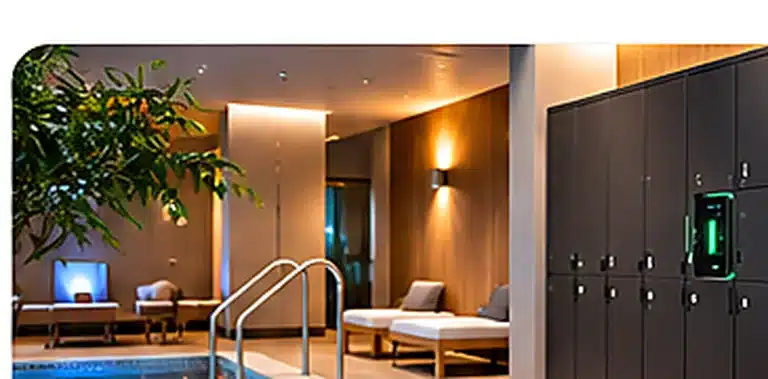
Monitor availability, usage, access events and recurring operational exceptions across venues.
Explore operational reporting ↗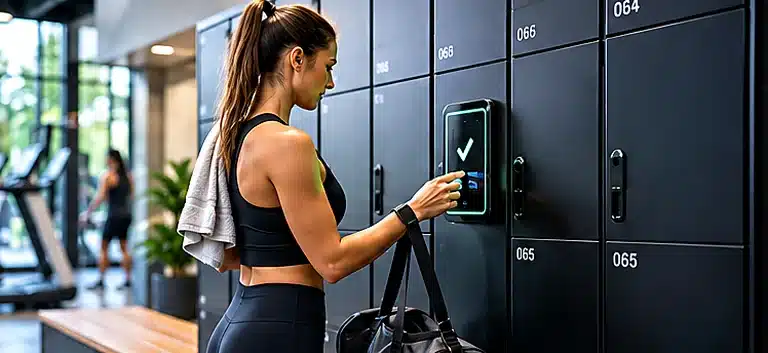
Plan remote diagnostics, escalation, cleaning access and support responsibilities for busy leisure sites.
Plan support and maintenance ↗Map peaks, session changeovers, dwell time, belongings and existing locker utilisation.
Choose PIN, QR, card, mobile or connected identity based on the visitor journey.
Define free or paid use, duration, automatic reset, exceptions and support responsibilities.
Size door mix and location around real demand rather than simply replacing locker-for-locker.
Track adoption, availability, interventions, maintenance and commercial performance before expansion.