

Trusted by these customers


- Deployed across 400+ locations in 25+ countries
- SOC 2 / ISO-ready infrastructure for enterprise environments
- Full audit trails and controlled access governance
What Are Click & Collect Lockers?
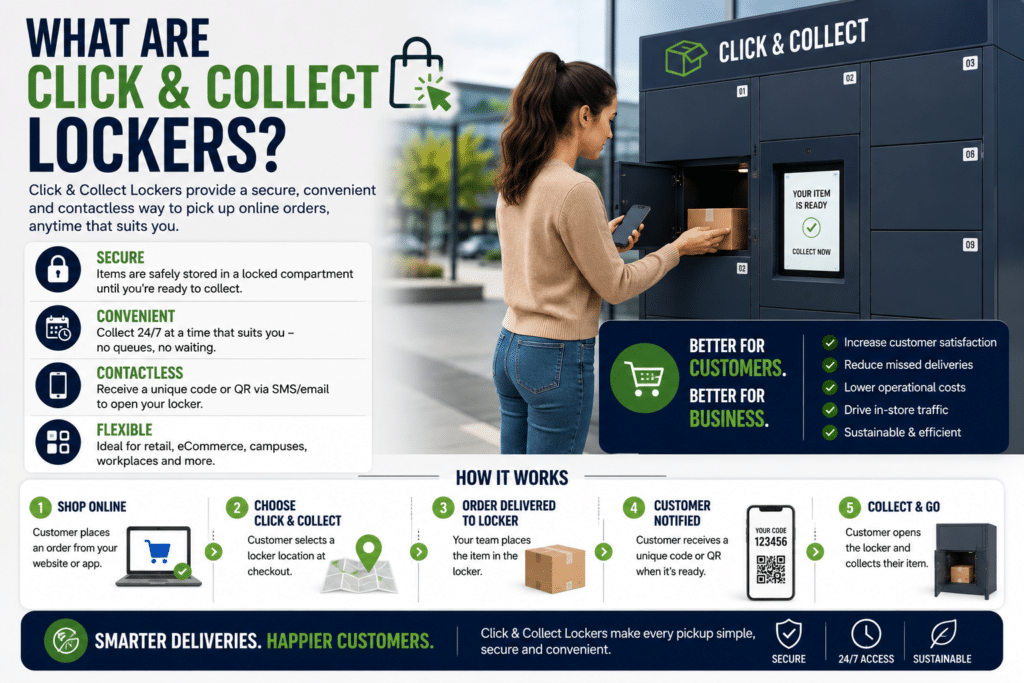
Click & collect lockers are secure self-service storage systems that allow customers to collect online orders without interacting with staff.
They provide a convenient alternative to traditional collection counters, customer service desks, and staffed pickup points by enabling customers to retrieve purchases independently using a secure access code, QR code, mobile credential, or order confirmation.
As retail, e-commerce, hospitality, workplace, and public sector organisations continue to adopt self-service technologies, click & collect lockers have become an increasingly popular way to improve customer convenience while reducing operational workload.
Types of Click & Collect Lockers
Retail Click & Collect Lockers
Used by retailers to provide convenient order collection without queues or staff involvement.
Supermarket Collection Lockers
Allow customers to collect groceries and online purchases at a time that suits them.
Workplace Collection Lockers
Enable employees to receive personal deliveries securely at work.
University Collection Lockers
Support student parcel collection and campus logistics operations.
Residential Parcel Lockers
Provide residents with secure access to deliveries without requiring concierge support.
Outdoor Click & Collect Lockers
Designed for 24/7 collection from external locations, retail parks, transport hubs, and public spaces.
Why Organisations Use Click & Collect Lockers
Traditional collection processes often create operational challenges including:
- Collection queues
- Staffing requirements
- Limited collection hours
- Manual handovers
- Lost parcel disputes
- Customer waiting times
- Poor scalability during peak demand
Click & collect lockers automate these processes, allowing organisations to handle larger collection volumes without increasing labour costs.

Retail Click N Collect Smart Locker Efficiency and ROI Guide
Executive KPI Summary
| Area | Typical Result |
|---|---|
| Queue Length | ↓ 50–90% |
| Wait Time | ↓ 70–95% |
| Labour Cost | ↓ 30–70% |
| Staff Time | ↓ 50–80% |
| Orders Per Hour | ↑ 100–400% |
| Store Throughput | ↑ 20–100% |
| Collection Speed | < 30 Seconds |
| Customer Satisfaction | ↑ 10–30% |
| Audit Visibility | 100% Tracking |
| Collection Hours | Up to 24/7 |
The Retail Fulfilment Bottleneck
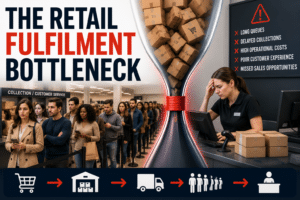
Click & collect orders and return volumes continue to grow across omnichannel retail, increasing pressure on store teams, service counters, and fulfilment workflows.
Manual, counter-based fulfilment processes create compounding operational constraints as volumes increase:
→ Compare staff cost vs locker automation ROI
Retail Fulfilment Bottlenecks
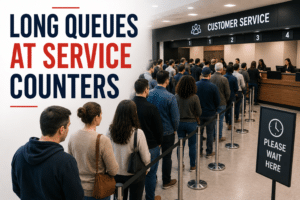
Long queues at service counters
Click & collect and return volumes quickly overwhelm service desks, reducing store throughput and creating friction during peak trading periods.
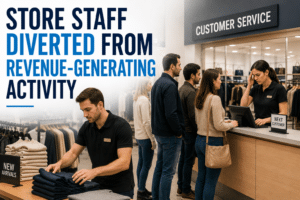
Store staff diverted from revenue-generating activity
Teams spend time locating orders, verifying collections, and handling handovers instead of assisting customers and driving in-store sales.
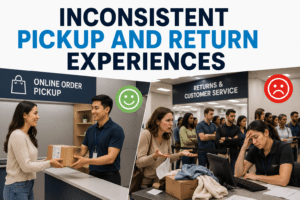
Inconsistent pickup and return experiences
Manual processes vary by store and shift, leading to errors, delays, and uneven service quality across locations.
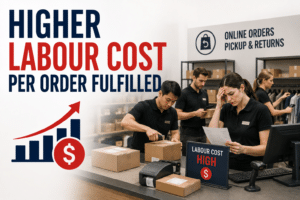
Higher labour cost per order fulfilled
Each manual pickup or return requires staff involvement, increasing fulfilment costs and eroding margins as order volumes scale.
→ Compare staff cost vs locker automation ROI
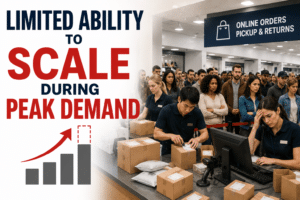
Limited ability to scale during peak demand
Promotions, seasonal surges, and high-volume trading periods create bottlenecks that require temporary staffing rather than sustainable automation.
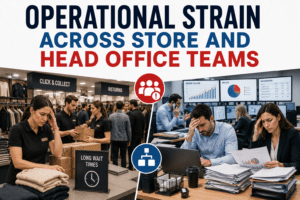
Operational strain across store and head office teams
Lack of standardised processes reduces visibility, control, and consistency across multi-store retail environments.
Smart lockers for retail provide a convenient way to manage click-and-collect, returns and other customer handover workflows.


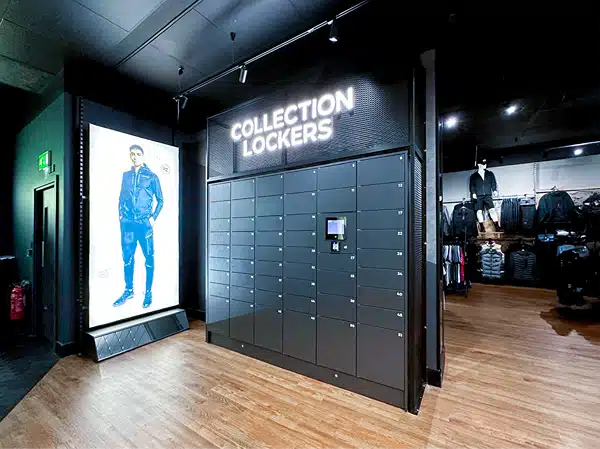
How Click & Collect Lockers Work in Retail Stores
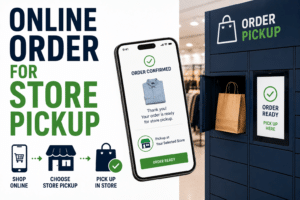
Online Order for Store Pickup
Customers place an order online and select in-store pickup. Orders are prepared by store staff and assigned to a secure in-store pickup locker ready for collection.
A connected retail locker platform can integrate secure storage and digital access into a more efficient fulfilment process.
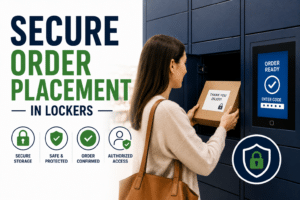
Secure Order Placement in Lockers
Once an order is ready, store staff place the item into an available locker compartment, ensuring secure storage until the customer arrives.
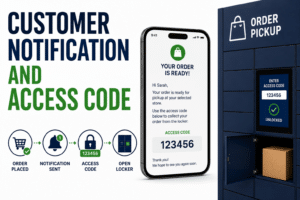
Customer Notification and Access Code
Customers receive an automated notification with a secure access code, PIN, or QR code that allows them to retrieve their order from the locker.
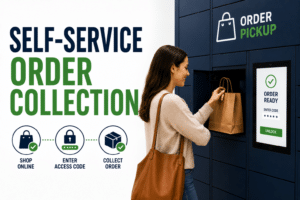
Self-Service Order Collection
Customers collect their purchases directly from the locker at their convenience without waiting at a service counter, improving store flow and customer experience.
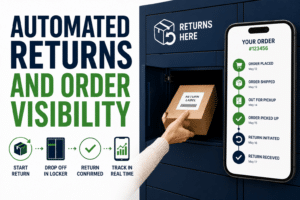
Automated Returns and Order Visibility
Retail lockers can also support product returns, while integrated order management systems maintain visibility, access control, and operational consistency across stores.

See How This Locker Solution Works in Practice
Operational Outcomes Delivered by Retail Lockers
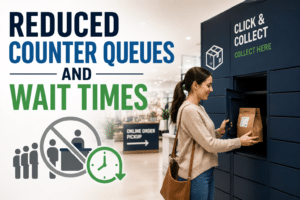
Reduced counter queues and wait times
Self-service collections and returns remove fulfilment traffic from service desks, improving customer flow and reducing congestion during peak periods.
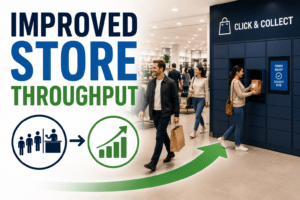
Improved store throughput
Faster handovers increase the number of orders processed per hour, allowing stores to handle higher volumes without expanding floor space or staffing.
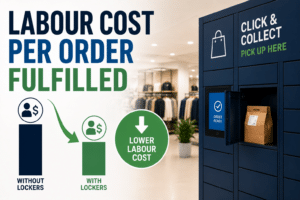
Lower labour cost per order fulfilled
Automation reduces staff involvement in routine pickups and returns, cutting the cost per transaction as order volumes scale.
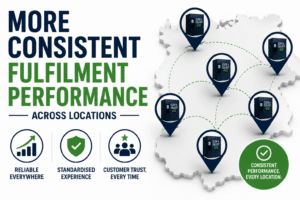
More consistent fulfilment performance across locations
Standardised locker workflows replace manual, store-dependent processes, ensuring reliable service levels across multi-store estates.
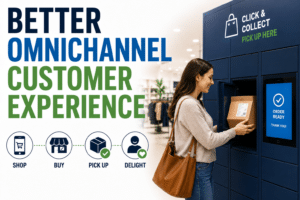
Better omnichannel customer experience
Customers collect and return orders quickly, securely, and on their own schedule, improving satisfaction across click & collect and returns journeys.
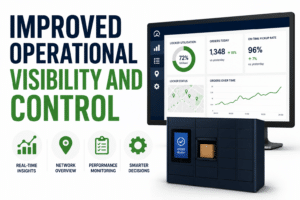
Improved operational visibility and control
Centralised management provides real-time insight into order activity, usage patterns, and performance without manual reporting.

Guide How to Remove Retail Pain Points
Retail Operations Director
Key Pain Points
Long Collection Queues
Customers waiting to collect online orders create congestion and frustration.
Store Staff Diverted from Revenue Activities
Employees spend significant time handling collections instead of selling.
Rising Labour Costs
Collection desks require dedicated staffing during peak periods.
Peak Demand Bottlenecks
Seasonal and promotional events overwhelm collection counters.
Limited Operational Scalability
Order volumes increase faster than operational capacity.
Omnichannel / Ecommerce Fulfilment Manager
Key Pain Points
Slow Order Handover Process
Manual collections create delays and queues.
Inconsistent Collection Experience
Customer experience varies by location and staffing levels.
Limited Collection Capacity
Stores struggle to process growing online order volumes.
Lack of Visibility
Poor tracking of collected, uncollected and returned orders.
Collection Errors and Disputes
Manual handovers increase the risk of mistakes.
Why These Personas Buy Smart Lockers
Retail Operations Director Wants:
- Lower labour costs
- Shorter queues
- Improved store throughput
- Better use of staff time
- Scalable operations
Omnichannel Fulfilment Manager Wants:
- Faster collections
- Higher fulfilment capacity
- Better customer experience
- Reduced collection errors
- Full audit visibility
Retail Lockers as Omnichannel Fulfilment Infrastructure
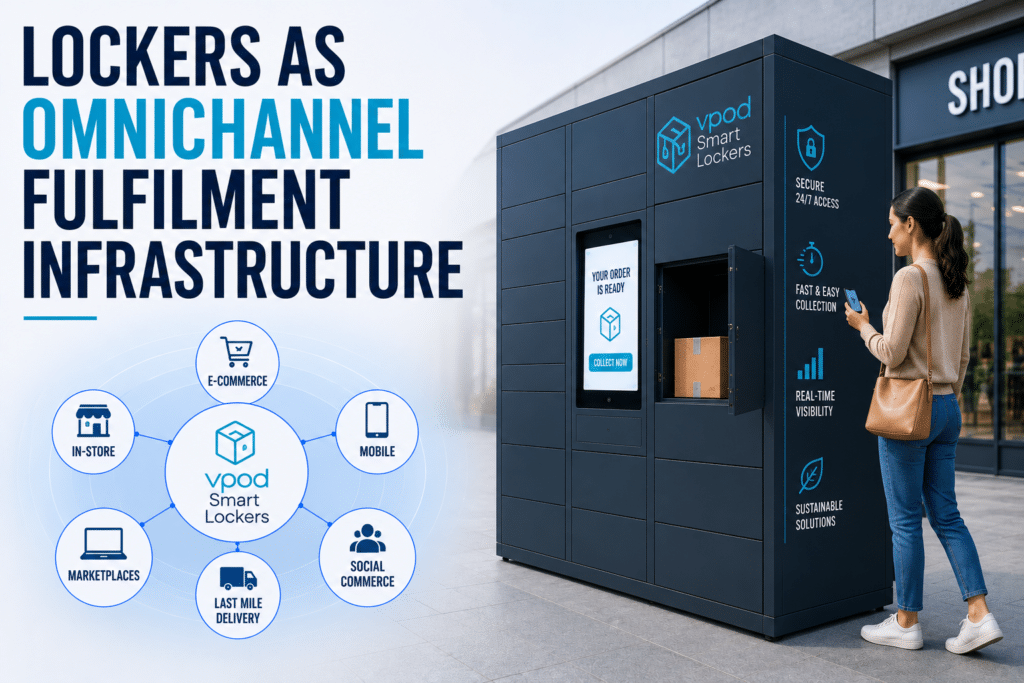
Retail lockers form part of modern omnichannel fulfilment infrastructure, allowing retailers to automate click & collect and returns within physical stores.
By integrating lockers with order management systems and digital notifications, retailers can scale store pickup operations without increasing service desk staffing or expanding counter space.
This allows organisations to:
• Automate in-store pickup and returns
• Reduce labour cost per order
• Maintain consistent fulfilment workflows across stores
• Improve throughput during peak trading periods
Vpod’s smart locker systems help retailers provide faster and more convenient click-and-collect and order collection experiences.
Use Cases
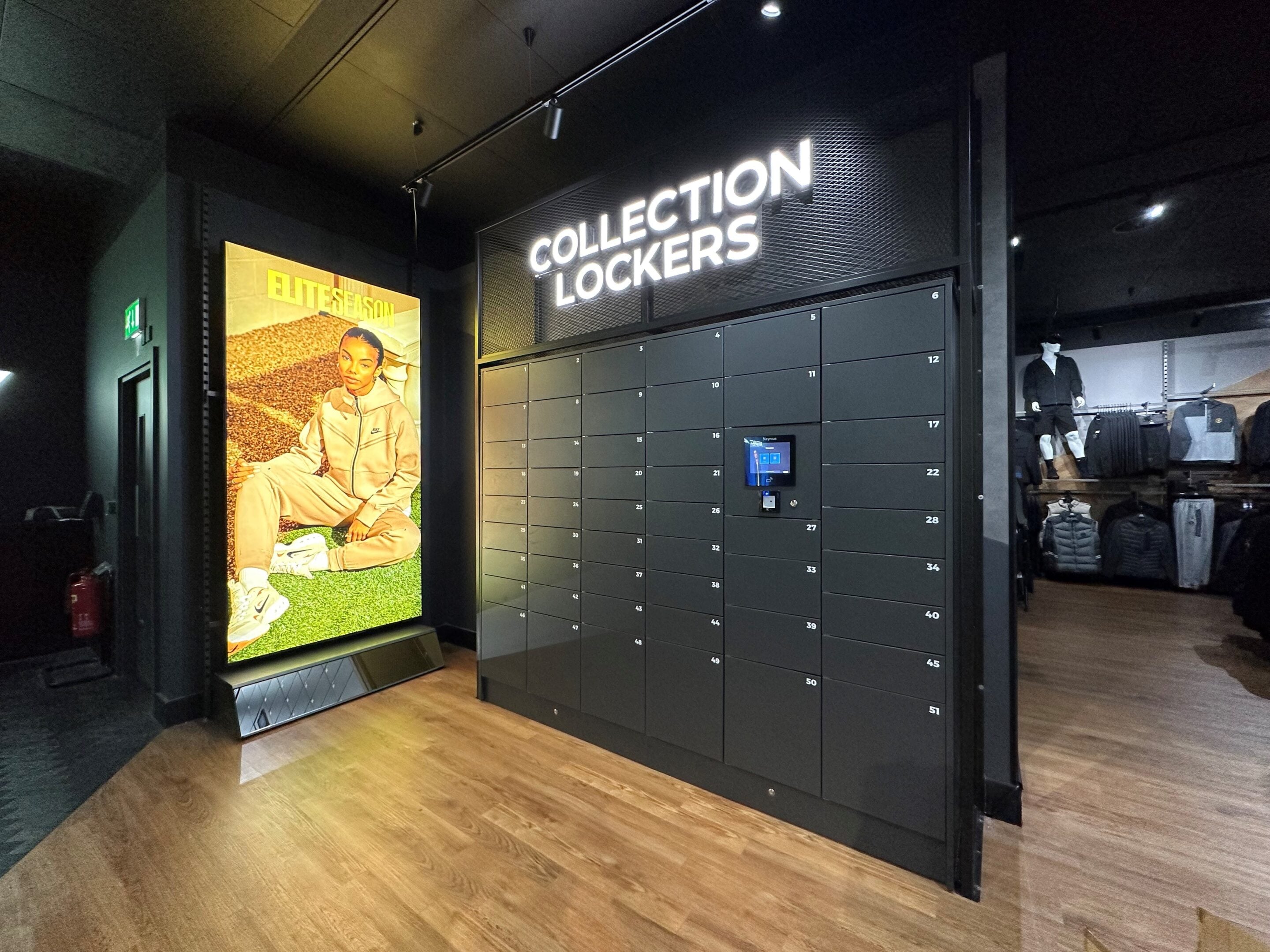
Leading Footwear Retailer — Smart Locker Click & Collect Deployment
To modernise its click & collect operations, a leading UK footwear retailer deployed 51 smart locker doors across multiple store locations, integrating the system directly with its order management platform via API.
Orders were automatically assigned to lockers, and customers received digital pickup notifications, enabling secure, self-service collection and returns without counter interaction. Store teams were trained to oversee the system while reallocating time back to merchandising and customer engagement.
The deployment processes over 5,500 orders annually and reduced staff time spent on order pick-ups by 78%, while generating valuable usage data to inform stock levels, marketing, and sales strategy.
Retail Locker Deployment Results:
- 51 locker doors deployed
- 5,500 click & collect orders processed annually
- 78% reduction in staff time spent on pickups
Who This Is For
Operations Directors
- Remove fulfilment queues and bottlenecks
- Standardise collections and returns
- Increase throughput without more staff
Commercial Directors
- Reduce labour cost per order
- Protect margins as volumes scale
- Improve experience without added cost
IT Directors
- Deploy a secure, centralised platform
- Maintain access control and audit trails
- Integrate with existing retail systems
Retail Operations Managers
- Reduce pressure on service counters
- Keep store teams focused on sales
- Manage peak trading periods smoothly
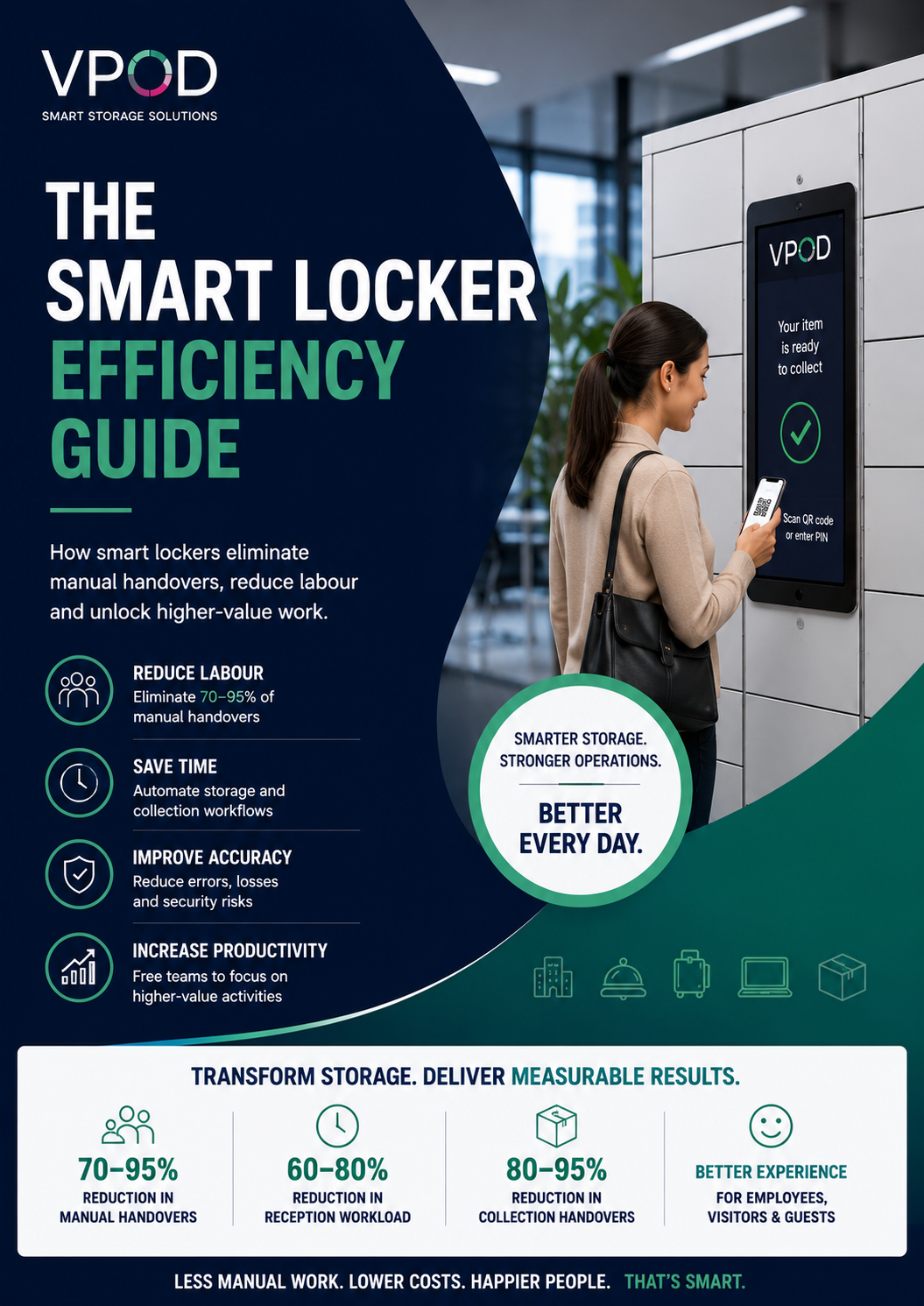
Guide : Smart Locker Efficiency
Retail Click & Collect Smart Locker Efficiency Numbers
| KPI | Typical Improvement |
|---|---|
| Counter Queues | ↓ 50–90% |
| Customer Wait Time | ↓ 70–95% |
| Collection Time | < 30 Seconds |
| Orders Processed Per Hour | ↑ 100–400% |
| Store Throughput | ↑ 20–100% |
| Labour Cost Per Order | ↓ 30–70% |
| Staff Time Handling Collections | ↓ 50–80% |
| Returns Processing Time | ↓ 40–80% |
| Collection Availability | Up to 24/7 |
| Order Visibility | 100% Transaction Tracking |
| Fulfilment Accuracy | ↑ 95–99%+ |
| Peak Demand Capacity | Significant Improvement |
Click & Collect Counter vs Retail Lockers
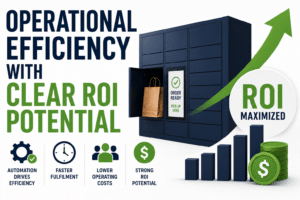
Operational Efficiency with Clear ROI Potential
Retail Operations ROI
Click & Collect smart lockers allow retailers to process 2–5x more orders per hour while reducing collection labour by up to 80%. Most customers can collect orders in under 30 seconds, significantly reducing queues, improving customer satisfaction, and increasing store throughput without requiring additional staff or floor space.
Executive KPI Summary
| Area | Typical Result |
|---|---|
| Queue Length | ↓ 50–90% |
| Wait Time | ↓ 70–95% |
| Labour Requirement | ↓ 30–70% |
| Orders Per Hour | ↑ 100–400% |
| Store Throughput | ↑ 20–100% |
| Customer Experience | Significant Improvement |
| Collection Speed | < 30 Seconds |
| Audit & Visibility | 100% Tracking |
Bottom Line: Retailers typically achieve the biggest gains during peak trading periods, where smart lockers remove collection bottlenecks, improve omnichannel fulfilment performance, and enable scalable click & collect operations with clear operational ROI.
By removing manual fulfilment tasks from store counters, retail lockers reduce labour costs per order and increase fulfilment capacity — delivering measurable operational savings as volumes scale.
Retail lockers allow stores to process more click & collect orders without increasing counter staff, enabling fulfilment capacity to scale alongside order volume.
By shifting order collection to a self-service workflow, retailers can reduce labour cost per order while maintaining consistent customer service across locations.
→ Compare capex vs opex locker model